
This article is general information, not medical or dietary advice. If you have a health condition or are thinking about changing your diet, speak to your GP or a registered dietitian.
We have all heard that breakfast is the most important meal of the day, but the research is less clear-cut. A 2019 review in the BMJ found that eating breakfast did not help people lose weight, and that breakfast eaters ate around 260 more calories a day on average. So whether you eat breakfast matters less than what you eat. If you do enjoy a morning meal, these five foods are filling, nutritious and can help you stick to a calorie-controlled diet.
1Raspberries and other berries
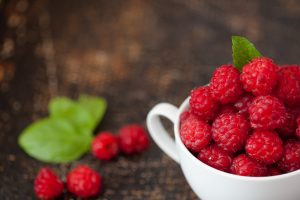
Berries are low in calories and high in fibre, which helps you feel full. Raspberries are among the most fibre-rich fruits, with around 6 g of fibre per 100 g. The NHS recommends that adults eat 30 g of fibre a day, but most people in the UK eat only around 20 g.
A handful of fresh or frozen berries also counts towards your 5 A Day. Add them to porridge, yoghurt or wholegrain cereal instead of sugar or syrup.
2Porridge
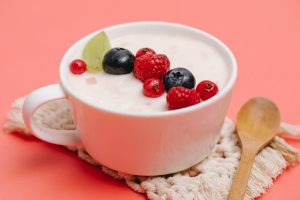
Oats contain a type of soluble fibre called beta-glucan, which forms a thick gel in the gut. This slows digestion, helps you feel full and, as part of a healthy diet, eating 3 g of oat beta-glucan a day has been shown to help lower cholesterol.
Plain porridge oats are the best choice. Flavoured instant porridge pots can contain a lot of added sugar, so check the label.
3Yoghurt
Plain yoghurt, especially Greek-style or strained yoghurt, is a good source of protein, which helps keep you full for longer. It also provides calcium.
Many flavoured and “low-fat” yoghurts have added sugar. The NHS suggests choosing plain, lower-fat, unsweetened yoghurt and adding your own fruit.
4Eggs
A medium egg contains around 65 to 70 calories and about 6 g of protein, making eggs a filling choice for very few calories. Boiled or poached eggs are lower in calories than fried.
It is worth eating the whole egg. The yolk contains much of the egg’s vitamins, including vitamin D and vitamin B12, as well as almost half its protein.
Did you know? Since 2017 the Food Standards Agency has said that British Lion eggs are safe to eat runny, even for pregnant women, babies and older people.

5Peanut butter
Peanut butter is high in calories, with around 90 to 100 in a level tablespoon, but it also provides protein, fibre and mostly unsaturated fats, which can help you stay full. Studies have found that people who eat nuts regularly are not more likely to gain weight.
The key is portion size. Spread a thin layer on wholemeal toast, and choose a brand with no added sugar, salt or palm oil.
FAQs about breakfast and weight loss
Does skipping breakfast help you lose weight?
Not necessarily. Some people find skipping breakfast helps them eat less overall, while others end up snacking more later. Research suggests what you eat over the whole day matters more than whether you eat in the morning.
What is a healthy breakfast?
The NHS suggests wholegrain cereals or porridge with lower-fat milk and fruit, wholemeal toast, eggs or plain yoghurt, and avoiding sugary cereals and pastries.
Sources and further reading
- BMJ: effect of breakfast on weight and energy intake (2019)
- NHS: how to get more fibre into your diet
- NHS Healthier Families: healthier breakfasts
Explore more: facts about weight loss, facts about intermittent fasting and facts about exercise.
Do you know any healthy breakfast ideas? Share them in the comments below!
Spotted something wrong? Suggest a correction
We check every suggestion and update articles when facts change. Thank you for helping keep facts.uk accurate.

Leave a Reply