
Wednesday sits right in the middle of the working week, which is why it is known as hump day. It is also the day of Prime Minister’s Questions, Ash Wednesday and one of Britain’s oddest football club names. Here are 15 fun facts about Wednesday.
1Wednesday is named after Odin.
The name comes from the Old English Wōdnesdæg, “Woden’s day”. Woden, known in Norse mythology as Odin, was the chief of the gods.
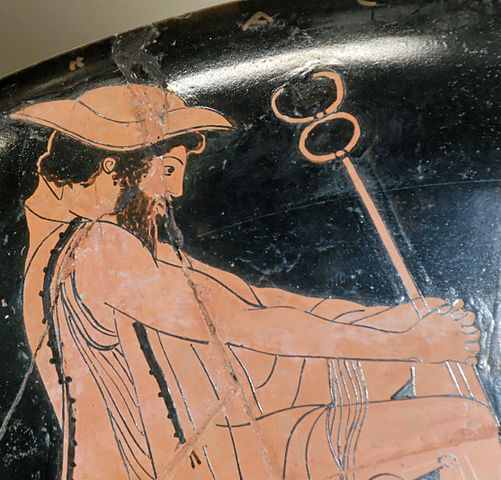
2In other languages it belongs to Mercury.
The Romans named the day after Mercury, the messenger of the gods, known to the Greeks as Hermes. That is why Wednesday is mercredi in French, miércoles in Spanish and mercoledì in Italian.
3Many languages just call it “midweek”.
In German, Wednesday is Mittwoch, “mid-week”. In Polish it is środa and in Russian sreda, both meaning “middle”, and the Finnish keskiviikko also means “middle of the week”.
4The “d” in Wednesday is silent.
It was once pronounced, but over the centuries the sound dropped out, leaving one of the trickiest words in English to spell.
5It is called hump day.
Wednesday is the “hump” in the middle of the Monday to Friday working week. Once you get over it, you are on the way to the weekend.
6Wednesday’s child is full of woe.
So says the old nursery rhyme “Monday’s Child”, which gives Wednesday the gloomiest fortune of the week.
7Wednesday Addams was named after the rhyme.
The gloomy daughter of the Addams Family was given her name because of the line “Wednesday’s child is full of woe”. Her own Netflix series, Wednesday, became one of the streaming service’s most-watched shows after its launch in 2022.
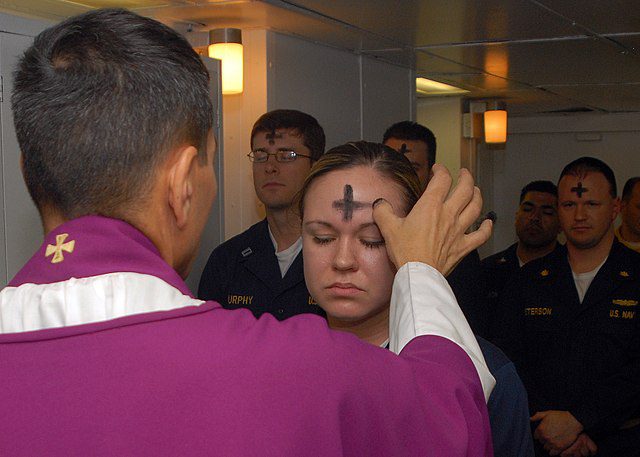
8Ash Wednesday marks the start of Lent.
Ash Wednesday falls the day after Shrove Tuesday, 46 days before Easter. Many Christians mark their foreheads with ashes and give something up for the 40 days of Lent, not counting Sundays.
9The Sun and Moon were created on a Wednesday, according to Genesis.
In the Bible’s story of creation, the Sun, Moon and stars were made on the fourth day. In the Jewish week, which starts on Sunday, the fourth day is Wednesday.
10Prime Minister’s Questions happens every Wednesday.
Since 1997, the Prime Minister has answered MPs’ questions in the House of Commons every Wednesday at noon while Parliament is sitting. Before that, there were two shorter sessions on Tuesdays and Thursdays.
11Sheffield Wednesday is named after a half-day holiday.
The football club grew out of a cricket club formed in 1820 by Sheffield craftsmen who had Wednesday afternoons off work. The football side was founded in 1867.
12The National Lottery has had a Wednesday draw since 1997.
The UK National Lottery began with Saturday draws in 1994. The first midweek draw took place on Wednesday 5 February 1997.
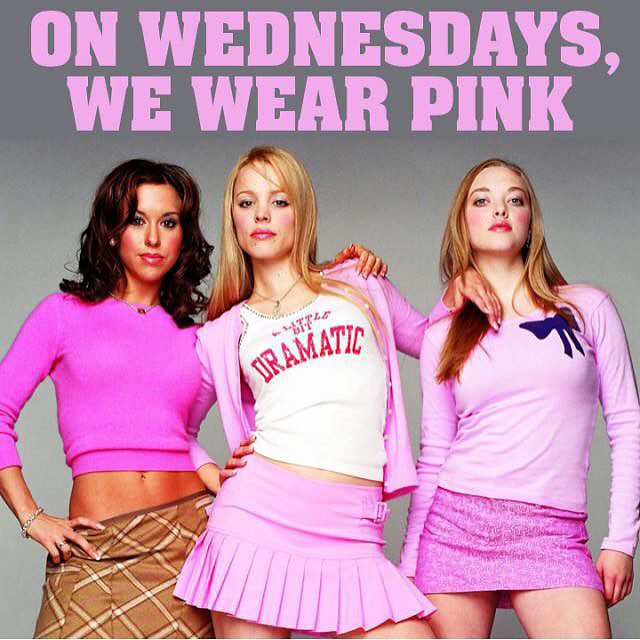
13On Wednesdays, we wear pink.
The line from the 2004 film Mean Girls became so famous that fans celebrate 3 October as “Mean Girls Day”, after another line from the film.
14Mr Wednesday is a god in disguise.
In Neil Gaiman’s 2001 novel American Gods, later a TV series, the mysterious Mr Wednesday turns out to be Odin, the god the day is named after.
15Wednesday is the fourth day in the Portuguese week.
Portuguese numbers most weekdays, and Wednesday is quarta-feira, the “fourth day”, counting from Sunday.
FAQs about Wednesday
Why is it called Wednesday?
Wednesday means “Woden’s day”, after the Anglo-Saxon god Woden, also known as Odin.
Why is Wednesday called hump day?
Because it is the middle of the working week, the “hump” that you have to get over before the weekend.
Why is the “d” in Wednesday silent?
It was pronounced in Old English, but the sound gradually disappeared from speech while the spelling stayed the same.
Sources and further reading
Explore more: facts about Monday, Tuesday, Thursday, Friday and Hermes.
Do you know any fun facts about Wednesday? Share them in the comments below!
Spotted something wrong? Suggest a correction
We check every suggestion and update articles when facts change. Thank you for helping keep facts.uk accurate.


Leave a Reply