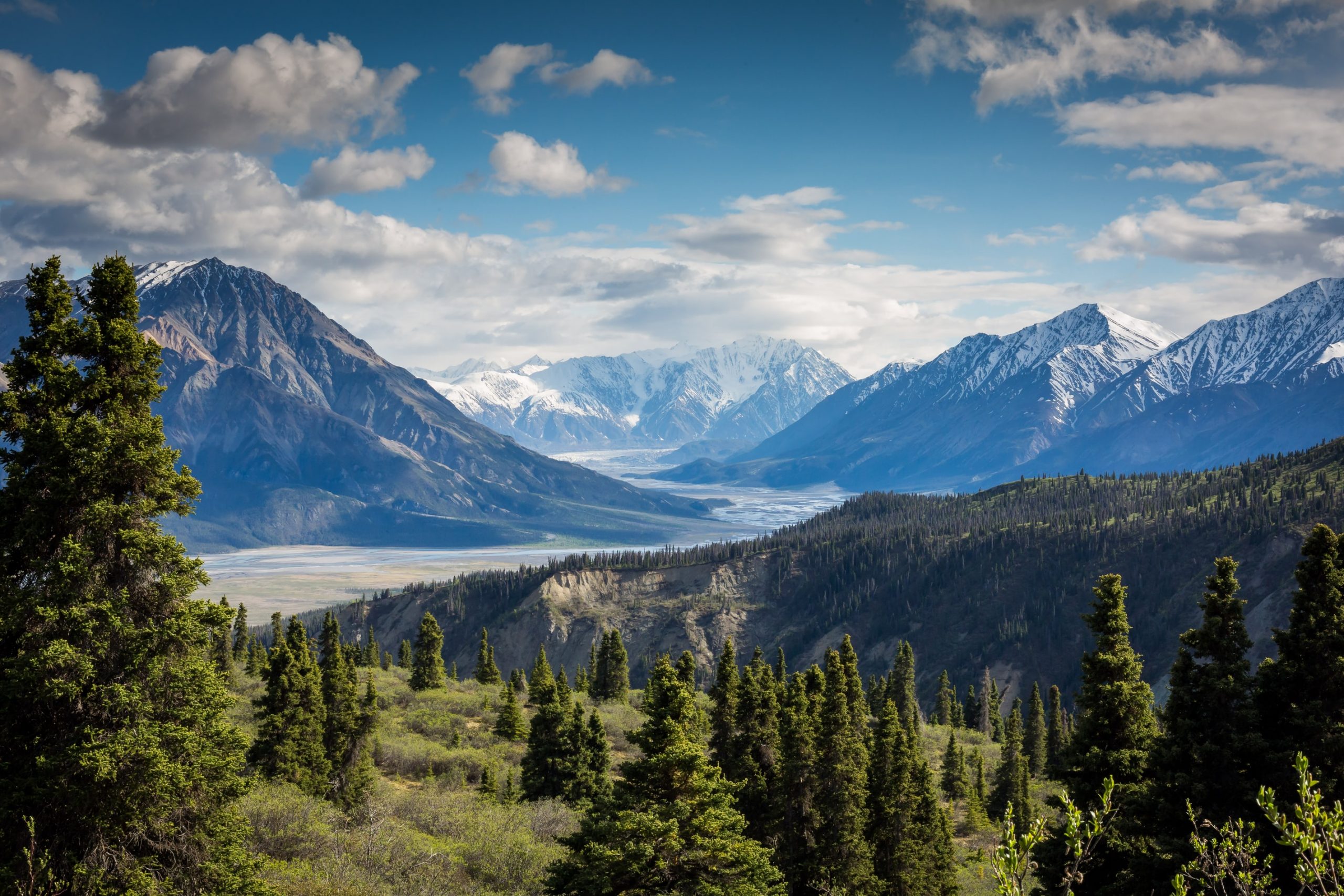
Mountains cover a large part of the Earth’s land, shape our weather and supply much of the water we drink. They also hold some surprising records, and the biggest one of all is not even on Earth. Here are 12 facts about mountains.
1Everest is 8,848.86 metres high.
Mount Everest, on the border of Nepal and China, is the highest mountain above sea level. Its official height of 8,848.86 metres (29,032 feet) was agreed by the two countries in 2020 after a new survey.

2Everest is not the tallest mountain on Earth.
Measured from base to summit, Mauna Kea in Hawaii is taller. It rises more than 10,000 metres from the floor of the Pacific Ocean, but more than half of it is under the sea.
3The summit furthest from the centre of the Earth is in Ecuador.
The Earth bulges at the equator, so the top of Chimborazo, close to the equator, is about 2 kilometres further from the centre of the Earth than the top of Everest, even though it is more than 2,500 metres lower above sea level.
4All 14 peaks over 8,000 metres are in Asia.
Every mountain higher than 8,000 metres is in the Himalaya or the neighbouring Karakoram range. Climbers call them the “eight-thousanders”.
5There are sea fossils near the top of Everest.
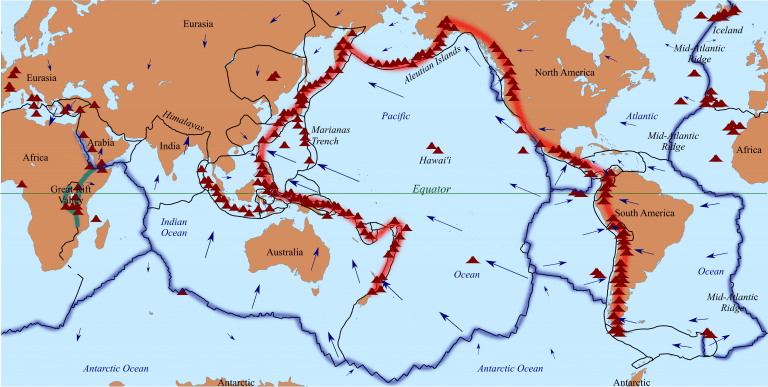
The rock near Everest’s summit is limestone that formed on the floor of an ancient ocean, and it contains fossils of sea creatures. The Himalaya were pushed up when India crashed into Asia, starting about 50 million years ago.
6The Himalaya are still growing.
India is still pushing north into Asia, so the Himalaya are still rising, by a few millimetres a year. Earthquakes and erosion work against this, and a large earthquake can even lower a mountain slightly.

7The longest mountain range is under the sea.
The mid-ocean ridge winds around the globe for about 65,000 kilometres, mostly underwater. The longest range on land is the Andes in South America, at about 7,000 kilometres.
8Mountains cover about a quarter of the land.
About a quarter of the Earth’s land surface is mountainous, and more than a billion people live in mountain areas.
9Mountains are the world’s water towers.
Snow, glaciers and rain in the mountains feed many of the world’s great rivers. The United Nations estimates that mountains provide 60 to 80% of the world’s fresh water.
10Mountains make their own weather.
When moist air is pushed up over mountains, it cools and drops its rain on the windward side, leaving a drier “rain shadow” beyond. It is one reason the west of Britain is much wetter than the east.
11The oldest mountains are in South Africa.
The Barberton Makhonjwa Mountains contain rocks about 3.6 billion years old, among the oldest on Earth. They became a UNESCO World Heritage Site in 2018.
12The biggest mountain we know of is on Mars.
Olympus Mons, a giant volcano on Mars, is about two and a half times the height of Everest and about 600 kilometres across. It is one of the largest volcanoes in the solar system.

FAQs about mountains
What is the highest mountain in the UK?
Ben Nevis in the Scottish Highlands, at 1,345 metres. The highest in Wales is Yr Wyddfa (Snowdon), at 1,085 metres, and the highest in England is Scafell Pike, at 978 metres.
How are mountains formed?
Most form when the plates of the Earth’s crust push together and fold the rock upwards. Others are volcanoes, built up by layers of lava and ash, or blocks of land pushed up along faults.
What is the difference between a hill and a mountain?
There is no single rule. In Britain, a hill over about 600 metres (2,000 feet) is often called a mountain.
Sources and further reading
Explore more: facts about the Ural Mountains and facts about the Mariana Trench.
Do you know any fun facts about mountains? Share them in the comments below!
Spotted something wrong? Suggest a correction
We check every suggestion and update articles when facts change. Thank you for helping keep facts.uk accurate.
2 responses to “12 Facts About Mountains, From Everest to Mars”
-
The article is very informative, comprehensive and useful specially at this very moment that serve as reference material or suggested reading for the distance education learning. Thank you very much for allowing me to get information from this journal or publication.
-
this was for a school assingment report and it helped a lot. Thanks!
Leave a Reply