This article explains insurance and its history. It is not financial advice. For free, impartial guidance, visit MoneyHelper.
Insurance is a simple idea: lots of people pay a small amount, called a premium, into a shared pot, and the few who suffer a loss are paid from it. It protects homes, cars, businesses and lives, and over the centuries it has also covered some very strange things. Here are 20 surprising facts about insurance.
1Ancient traders shared their risks.
Chinese merchants thousands of years ago are said to have spread their goods across many boats, so that a single sinking would not ruin anyone. Around 1750 BC, the Babylonian Code of Hammurabi included rules for loans to merchants that did not have to be repaid if a shipment was lost.
2The oldest known insurance contract is from 1347.
The earliest known stand-alone insurance contract was signed in Genoa, Italy, in 1347, covering a ship’s voyage. Marine insurance spread quickly between the trading cities of the Mediterranean.
3Lloyd’s of London began in a coffee house.
In the 1680s, Edward Lloyd’s coffee house in London became a meeting place for ship owners, merchants and people willing to insure their voyages. It grew into Lloyd’s of London, still one of the world’s best-known insurance markets.
4The Great Fire of London created fire insurance.
After the Great Fire of 1666 destroyed more than 13,000 houses, the builder Nicholas Barbon set up one of the first fire insurance offices around 1680. Insured buildings were marked with metal badges called fire marks, and some can still be seen on old houses.

5Insurance companies ran the first fire brigades.
Early fire brigades in London were run by insurance companies to protect the buildings they insured. In 1833 several of them joined to form the London Fire Engine Establishment, and London got a public fire brigade in 1866.
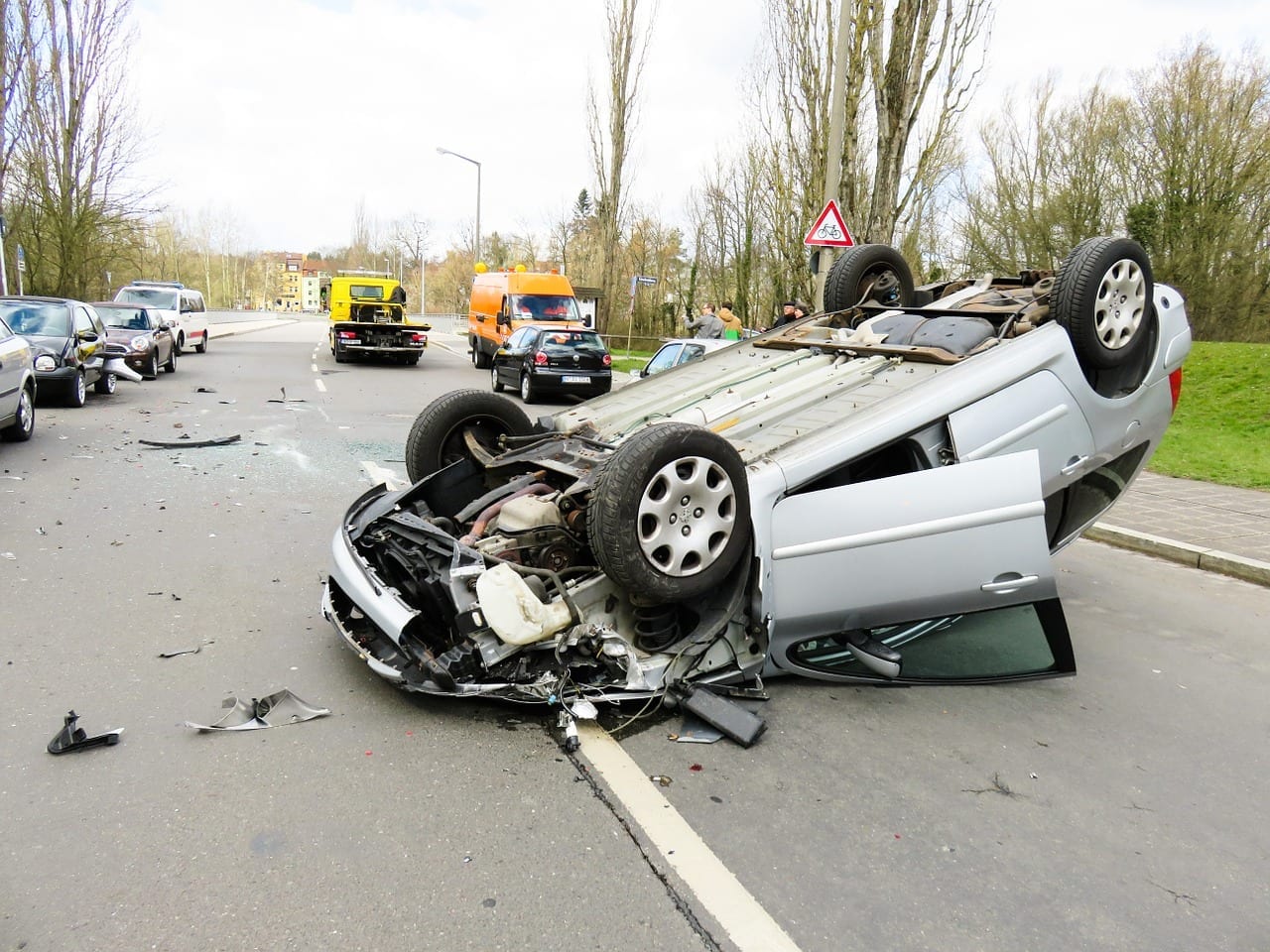
6Car insurance has been compulsory in Britain since 1930.
The Road Traffic Act 1930 made it a legal requirement for drivers in Britain to have at least third-party insurance. Driving without insurance can lead to a fine, penalty points and a ban.

7Hollywood insured a film star’s legs.
In the 1940s, 20th Century Fox reportedly insured Betty Grable’s famous legs for $1 million. Over the years, singers, dancers and footballers have insured their voices, legs and feet in the same way.
8The Apollo 11 astronauts signed envelopes as life insurance.
Neil Armstrong, Buzz Aldrin and Michael Collins found it hard to get affordable life insurance before their 1969 Moon mission. Instead, they signed hundreds of envelopes that their families could sell if they did not come home.

9Taco Bell insured a falling space station.
When the Russian space station Mir was brought down into the Pacific in 2001, Taco Bell floated a large target in the ocean and promised everyone in the US a free taco if debris hit it. The company took out insurance in case it had to pay up. Nothing hit the target.
10A whisky brand insured a prize for catching Nessie.
In 1971 the whisky makers Cutty Sark offered £1 million to anyone who could capture the Loch Ness Monster alive, and insured the prize with Lloyd’s of London. The money was never claimed.

11Pepsi insured a $1 billion prize.
In 2003 Pepsi ran a competition called “Play for a Billion”, with a top prize of $1 billion. The risk was insured by Warren Buffett’s company, Berkshire Hathaway. The winning number was not drawn.
12Golfers can insure against a hole in one.
In Japan, a golfer who scores a hole in one is traditionally expected to celebrate with gifts and parties for friends, which can be very expensive. Hole-in-one insurance has been sold to cover the cost.
13You can buy alien abduction insurance.
An insurance agency in Florida has sold alien abduction policies since 1987, mostly as novelty gifts. Unsurprisingly, claims are rare.
14Wedding insurance does not cover cold feet.
Wedding insurance can pay out if a venue closes, a supplier lets you down or a key person falls seriously ill. But policies almost never cover a bride or groom simply changing their mind.

15An insurance worry nearly delayed the Windows XP wallpaper.
The famous “Bliss” photograph of a green hill and blue sky, used as the default Windows XP background, was taken by Charles O’Rear in California. When Microsoft bought it, couriers would not insure the original film for its value, so Microsoft flew him to Seattle to deliver it in person.
169/11 was one of the costliest insured disasters in history.
Insured losses from the terrorist attacks of 11 September 2001 were estimated at around $40 billion at the time, covering property, business interruption, aviation and life claims.

17Health insurance is compulsory in the Netherlands.
Since 2006 everyone who lives or works in the Netherlands has had to buy basic health insurance from a private insurer, which cannot turn applicants down. Switzerland has a similar system. In the UK, the NHS is funded mainly through taxes, so most people do not need health insurance.

18Many Amish people avoid insurance.
Many Amish communities in North America do not buy commercial insurance, preferring to support each other when disaster strikes, for example by rebuilding a neighbour’s barn together. US law allows many of them to opt out of the social security system for the same reason.
19Most insurance in the UK carries its own tax.
Insurance Premium Tax is added to most general insurance policies in the UK, such as car, home and pet insurance. The standard rate has been 12% since 2017, and a higher rate of 20% applies to travel insurance and some other policies.
20Life “assurance” and life “insurance” are not quite the same.
In the UK, life assurance usually means a policy that pays out whenever you die, because death is certain. Life insurance, or term insurance, only pays out if you die within a set period, which is why it is usually cheaper.

FAQs about insurance
Which insurance is compulsory in the UK?
Motor insurance is compulsory if you drive on public roads, and most employers must have employers’ liability insurance. Buildings insurance is not required by law, but mortgage lenders usually insist on it.
What is an insurance excess?
The excess is the amount you pay towards a claim yourself. A higher excess usually means a lower premium.
Where can I get help with insurance?
MoneyHelper has free guides to different kinds of insurance. If you have a complaint that your insurer cannot resolve, you can take it to the Financial Ombudsman Service for free.
Sources and further reading
Explore more: facts about mortgages and facts about stocks and shares.
Do you know any fun facts about insurance? Share them in the comments below!
Spotted something wrong? Suggest a correction
We check every suggestion and update articles when facts change. Thank you for helping keep facts.uk accurate.

Leave a Reply