
When a parcel arrives safely on your doorstep, it is easy to overlook everything it has experienced along the way. From warehouse shelves and delivery vans to sorting centres and conveyor systems, packages can pass through numerous stages before reaching their destination.
Good packaging is therefore about much more than making an order look presentable. Behind an ordinary cardboard box are several clever ways of protecting products from knocks, movement, pressure and the general demands of transportation.
Cardboard Is Stronger Than It Looks
Cardboard might seem simple, but corrugated cardboard is specifically designed to provide strength without making parcels unnecessarily heavy. Its layered construction helps create a rigid structure capable of protecting the contents while remaining practical to handle.
The type of box matters too. Lightweight products may only need a relatively simple box, while heavier or more delicate goods can benefit from stronger double-wall options. Businesses choosing packaging such as Priory Direct cardboard boxes can select different sizes and styles according to what they need to send.
Empty Space Can Be a Problem
You might assume that putting a small product into a generously sized box gives it extra protection. Surprisingly, too much empty space can actually increase the chance of damage.
If an item is free to slide around, every turn, stop or movement during transportation can cause it to hit the sides of the box. Void fill, paper, air cushions, bubble wrap and other protective materials help keep products in position.
The aim is not necessarily to fill every centimetre of the parcel with packaging. Instead, it is to prevent unwanted movement while providing enough cushioning around vulnerable areas.
Parcels Need to Cope with Pressure
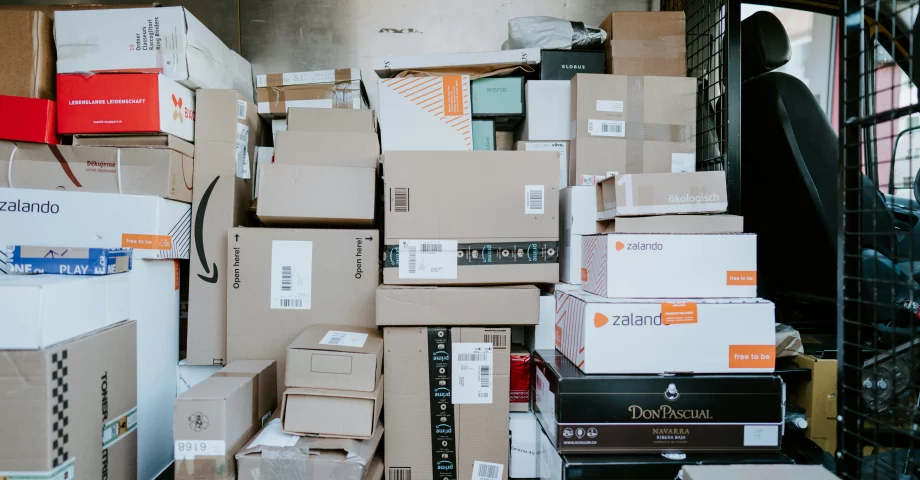
A parcel does not spend its entire journey sitting neatly by itself. Boxes may be moved, stacked and temporarily stored alongside many other packages.
That means the outer packaging may need to withstand pressure as well as everyday knocks. Choosing a box suited to the weight and dimensions of the contents helps it retain its shape. An underfilled or unsuitable box may be more likely to become crushed, while an overfilled one can place unnecessary pressure on its seams.
Packing Tape Does More Than Close the Box
Tape might seem like the least interesting part of a parcel, but it has an important job. A well-sealed box needs to remain closed throughout handling and transportation.
Strong packing tape can be applied across the main openings and seams to reinforce the parcel. This is particularly important around areas where the cardboard flaps meet, as these are natural opening points.
Fragile Labels Aren’t the Main Protection
A “Fragile” sticker can provide useful information, but it should never replace proper protective packaging. Delicate products need to be packed so they are protected even if the parcel encounters normal bumps and movement.
Wrapping items individually, separating multiple products and keeping fragile goods away from the outer walls of the box can all help.
Small Details Make a Big Difference
Even something as straightforward as label placement matters. Delivery labels and barcodes need to remain clear, flat and easy to scan throughout the journey.
Ultimately, safe parcel delivery depends on several small decisions working together. The right box, suitable cushioning, secure tape and careful labelling may not seem particularly remarkable individually, but together they create a surprisingly effective protective system for goods travelling from sender to recipient.