This article is general information, not medical advice. If you are worried about your health, speak to a GP or pharmacist, or call NHS 111.
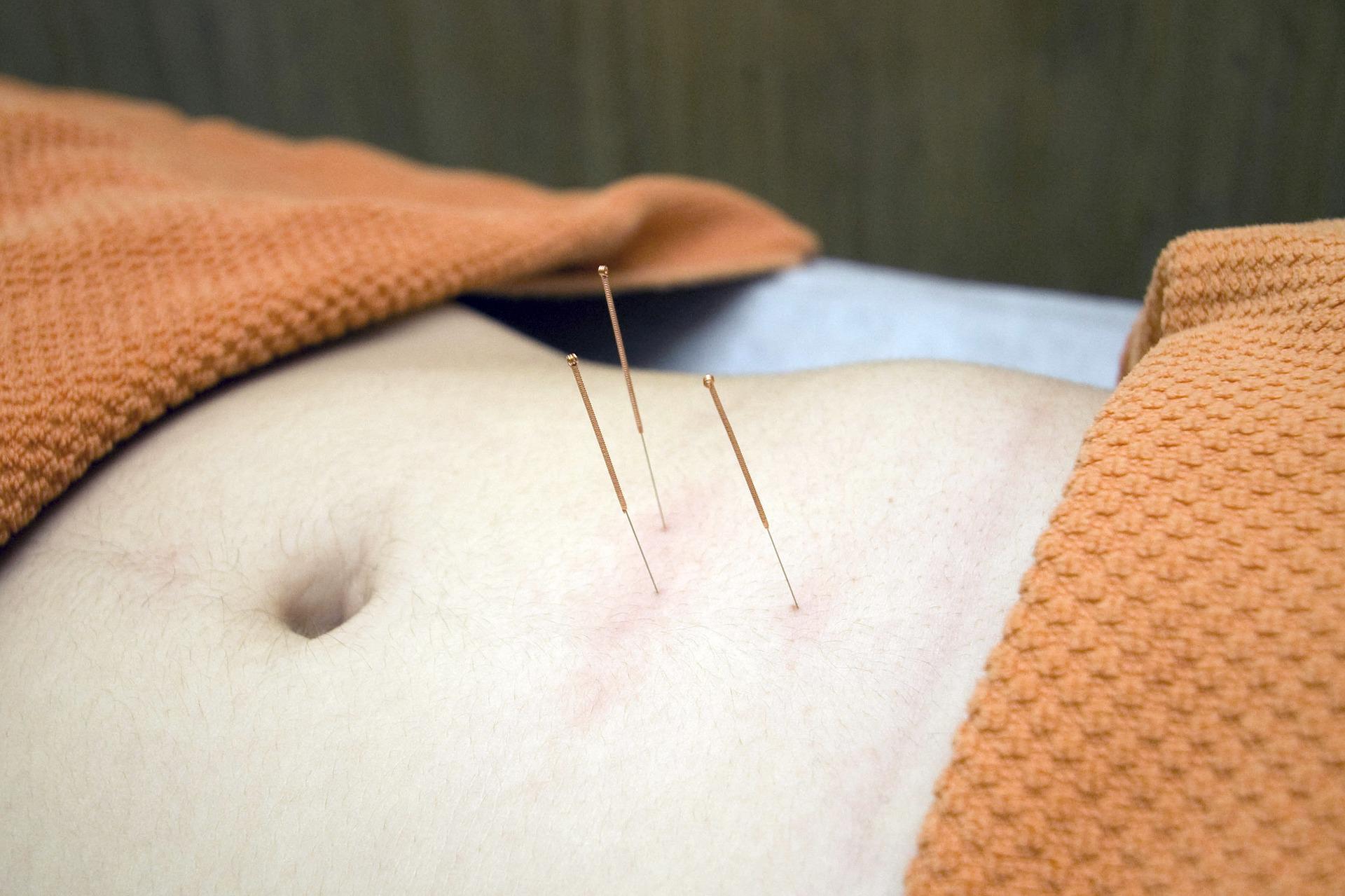
Acupuncture involves inserting very fine needles into the skin at particular points on the body. It began in China more than 2,000 years ago, and today it is offered by private practitioners, physiotherapists and even some NHS services. The evidence for it is mixed: it may help with some kinds of long-term pain and headaches, but there is little good evidence for most other uses. Here are 12 facts about acupuncture.
1It began in ancient China.
The earliest detailed description of acupuncture is in the Huangdi Neijing (The Yellow Emperor’s Inner Classic), a Chinese medical text written down around the 2nd or 1st century BC.
2Traditional acupuncture is based on “qi”.
In traditional Chinese medicine, needles are placed along channels called meridians to rebalance the flow of qi, a vital energy. There is no scientific evidence that qi or meridians exist, and many Western practitioners use acupuncture purely as a way of stimulating nerves and muscles.

3Ötzi the Iceman may have had something similar.
The 5,300-year-old mummy found in the Alps in 1991 has dozens of small tattoos. Some researchers have pointed out that many sit close to traditional acupuncture points used for back and joint pain, but whether they were a form of treatment is still debated.
4The NHS uses it for some types of pain.
NICE, which advises the NHS in England, says acupuncture can be considered for chronic (long-lasting) primary pain, and to help prevent tension-type headaches and migraines. It does not recommend acupuncture for low back pain.
5Fake acupuncture often works just as well.
Many trials compare real acupuncture with “sham” acupuncture, where retractable needles touch the skin without piercing it or are placed at the “wrong” points. In many of these trials the two give similar results, which suggests that much of the benefit comes from expectation and the treatment experience rather than from the needles themselves.
6The needles are much thinner than injection needles.
Acupuncture needles are solid, not hollow, and are typically between about 0.12 mm and 0.35 mm thick. Most people feel a tingle or dull ache rather than sharp pain. In the UK they must be sterile and used only once.

7A newspaper story sparked its popularity in the West.
In 1971 the New York Times journalist James Reston had his appendix removed in Beijing and was given acupuncture for pain afterwards. His article about the experience caused a wave of interest in the United States.
8Physiotherapists use a version called dry needling.
Many physiotherapists use “dry needling” or Western medical acupuncture, which places needles into tight areas of muscle. It does not rely on traditional ideas about qi.
9It is usually safe, but not risk-free.
When performed by a qualified practitioner, serious problems are very rare. Minor side effects include bruising, soreness and feeling faint. Rare serious complications, such as a punctured lung, have been reported when needles are inserted too deeply in the chest.
10Animals get acupuncture too.
Some vets offer acupuncture for dogs, cats and horses, usually for pain and stiffness. In the UK, only qualified vets are allowed to perform acupuncture on animals.

11It is on UNESCO’s cultural heritage list.
In 2010 UNESCO added “acupuncture and moxibustion of traditional Chinese medicine” to its list of the Intangible Cultural Heritage of Humanity. Moxibustion involves burning dried mugwort near the skin.
12Practitioners are not regulated by law in the UK.
Acupuncturists do not have to be on a statutory register, although they must usually be licensed by their local council for skin piercing. The NHS suggests choosing a practitioner who belongs to a professional body with a register accredited by the Professional Standards Authority, or a regulated health professional such as a physiotherapist.
FAQs about acupuncture
Does acupuncture work?
There is some evidence that it can help with chronic pain and with preventing headaches and migraines, which is why NICE says it can be considered for these. For most other conditions there is little good evidence.
Can I get acupuncture on the NHS?
Sometimes. It is offered by some GP practices, physiotherapy services and pain clinics, usually for chronic pain or headaches. Availability varies by area.
Does acupuncture hurt?
Most people feel a brief tingle or dull ache as the needle goes in. The needles are far thinner than those used for injections or blood tests.
Sources and further reading
- NICE: chronic pain (NG193)
- NICE: headaches in over 12s (CG150)
- Britannica: acupuncture
- UNESCO: acupuncture and moxibustion
Explore more: facts about homeopathy and facts about antibiotics.
Do you know any fun facts about acupuncture? Share them in the comments below!
Spotted something wrong? Suggest a correction
We check every suggestion and update articles when facts change. Thank you for helping keep facts.uk accurate.

Leave a Reply