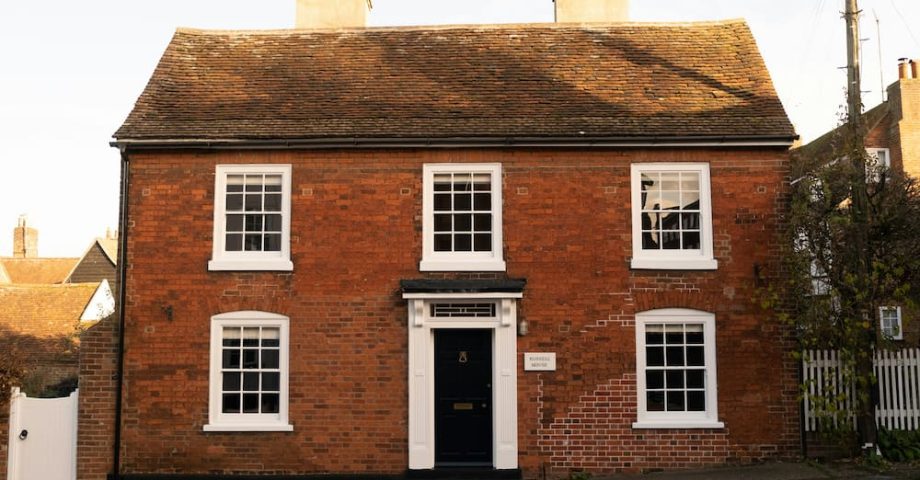

Modern homes may boast smart technology, triple glazing, and sleek finishes, but many older properties across the UK were designed with one priority in mind: longevity. Long before shortcuts and fast build times became common, craftspeople and builders worked with materials and methods chosen specifically so homes would stand strong for generations. Here are some little-known facts about how these enduring homes were built to last.
Local materials were chosen for strength and climate
Before nationwide logistics networks existed, most builders relied on what was available nearby. This was not simply a matter of convenience. Local stone, brick, and timber had already proven they could withstand the local weather. Cotswold stone cottages, slate-roofed terraces in the North, and solid brick Victorian houses were all built with materials tested by centuries of wind, rain, and temperature changes.
This regional approach meant homes did not simply look rooted in place. They were engineered by nature and experience to survive there.
Solid walls really were solid
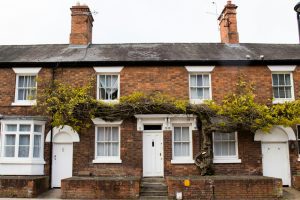
Many traditional homes were built with solid brick or stone walls, often several bricks deep. These walls offered natural insulation, weather resistance, and structural stability. Rather than hiding behind plasterboard, the structure itself did the bulk of the work.
It is one reason so many Georgian and Victorian properties are still standing proudly today. Their walls were built for permanence, with bonds and brick patterns carefully designed to distribute load evenly.
Timber was carefully selected and seasoned
Old builders understood wood intimately. Structural timber was usually slow-grown, meaning the wood was denser and stronger. It was also seasoned naturally over long periods. This reduced movement, twisting, and splitting once it was installed.
Even today, period properties often retain original timber features. Sash windows, beams, and floorboards tell a story of craftsmanship that valued patience and precision. For homeowners looking to restore or replace windows sympathetically, companies such as Timber Windows Direct reflect that same respect for quality timber craftsmanship.

Roofs were designed with weather in mind
Roofs were once far more than a simple covering. From steep pitches that shed heavy rain quickly to the use of durable clay tiles and slate, traditional roofs were built for the long haul. In many regions, tiles were even handmade, giving each roof individual character while maintaining resilience.
A well-constructed roof protected the entire structure, and routine small repairs meant many have lasted 100 years or more.
Lime mortar lets homes breathe
Unlike modern cement mortar, lime mortar is softer and much more flexible. It allows moisture to evaporate naturally instead of trapping it inside the walls. This breathability is one of the main reasons historic homes stay structurally sound for so long.
Builders of the past may not have used modern scientific language, but they understood buildings as living systems that needed to manage moisture and movement.
Craftsmanship mattered more than speed
Perhaps the biggest difference lies in mindset. Homes were built slowly and skilfully, often by local craftspeople whose reputations depended on the quality of their work. Every joint, stone, and beam was placed with care.
Today, many homeowners continue to appreciate and protect these long-lasting homes. With thoughtful maintenance and sympathetic upgrades, they are likely to endure for many more generations.
The next time you walk past a Victorian terrace or a stone cottage perched in the hills, remember this: its survival is no accident. It is the result of materials chosen wisely, skills honed over lifetimes, and a deep respect for building something meant to stand the test of time.