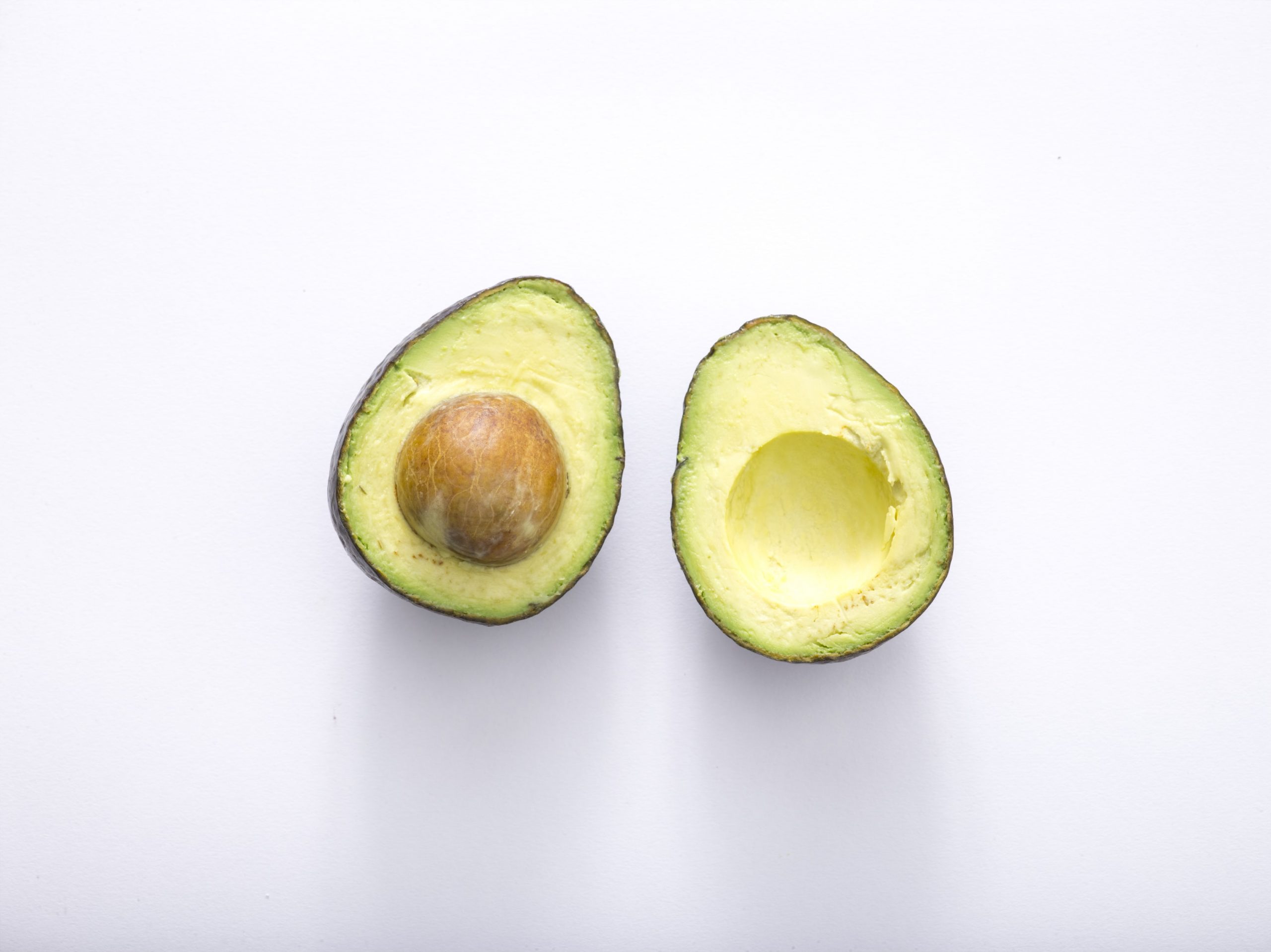
The avocado has gone from an unusual fruit to a brunch favourite in just a few decades. But there is more to it than avocado on toast, from its ancient history to one famous tree in California. Here are 15 facts about avocados, including what is in them.
1An avocado is a berry.
Botanically, the avocado is a large berry with a single seed. It grows on a tree in the laurel family, which also includes bay leaves and cinnamon.

2Avocados come from Mexico.
Avocados are native to south-central Mexico and Central America, where people were eating them thousands of years ago. Mexico is still the world’s biggest grower.
3The name comes from the Aztecs.
“Avocado” comes from ahuacatl, the word for the fruit in Nahuatl, the language of the Aztecs. Guacamole comes from ahuacamolli, meaning avocado sauce.

4They may have been spread by giant sloths.
Scientists think the avocado’s huge seed evolved to be swallowed whole by large animals such as giant ground sloths, which then spread the seeds. When those animals died out, people took over the job.
5Every Hass avocado comes from one tree.
In the 1920s, a postman called Rudolph Hass planted a seedling in his garden in California. Its fruit was so good that he patented it in 1935. Every Hass avocado tree since has been grafted from that one tree, and the Hass now makes up most of the avocados sold around the world.
6Avocados only ripen after they are picked.
An avocado will stay hard on the tree for months. It only starts to soften once it is picked, which lets growers use the tree as a natural store.

7A banana helps them ripen faster.
Bananas give off ethylene, a gas that speeds up ripening. Putting a hard avocado in a paper bag with a banana can help it ripen in a day or two.
8Lime juice slows the browning.
Cut avocado turns brown when an enzyme reacts with oxygen in the air. Lime or lemon juice, or covering the surface tightly, slows this down.

9Most of their fat is the “good” kind.
Avocados are unusually high in fat for a fruit, about 15 grams per 100 grams. Most of it is monounsaturated fat, the same type found in olive oil, which is linked with healthy cholesterol levels.
10They are rich in fibre.
An avocado contains about 7 grams of fibre per 100 grams, more than most fruits. The NHS recommends that adults eat 30 grams of fibre a day.

11They have more potassium than bananas.
Weight for weight, avocados contain more potassium than bananas, about 485 milligrams per 100 grams compared with about 360 in a banana.
12They are very low in sugar.
An avocado contains less than 1 gram of sugar per 100 grams, which is why it is used to add creaminess to smoothies and desserts.

13They are high in calories.
Because of their fat, avocados contain about 160 calories per 100 grams. A whole medium avocado can contain more than 200 calories, so portion size matters.

14Some people with latex allergies react to avocados.
Proteins in avocados are similar to those in latex, so people with a latex allergy can also react to avocado, banana and kiwi. This is known as latex-fruit syndrome.
15Avocados are poisonous to some animals.
The leaves, skin and stone contain persin, a natural toxin that is harmless to people but can be dangerous to birds, horses and some other animals. Pet birds should never be given avocado.

FAQs about avocados
Is an avocado a fruit or a vegetable?
A fruit. Botanically, it is a large berry with one seed.
How many calories are in an avocado?
About 160 calories per 100 grams. A medium avocado has around 200 to 250 calories, depending on its size.
How can you tell when an avocado is ripe?
A ripe avocado gives slightly when squeezed gently in the palm of your hand. The skin of a Hass avocado turns from green to almost black as it ripens.
Sources and further reading
- Britannica: avocado
- USDA FoodData Central (nutrition figures)
- NHS: how to get more fibre into your diet
Explore more: facts about the digestive system.
Do you know any fun facts about avocados? Share them in the comments below!
Spotted something wrong? Suggest a correction
We check every suggestion and update articles when facts change. Thank you for helping keep facts.uk accurate.


Leave a Reply