This article is general information, not medical advice. If you are thinking about losing weight, your GP or practice nurse can help you find the right approach.
Millions of people in the UK are trying to lose weight at any one time, and there is no shortage of advice about how to do it. Much of that advice is myth. Here are 13 facts about weight loss that are backed by research and NHS guidance.
1Most of the fat you lose is breathed out.
When your body burns fat, it breaks it down into carbon dioxide and water. A 2014 study in the BMJ worked out that about 84% of the fat leaves your body as carbon dioxide through your lungs. The rest leaves as water, in urine, sweat and breath.
2A safe rate is around 0.5 kg to 1 kg a week.
The NHS says losing about 0.5 kg to 1 kg (1 lb to 2 lb) a week is a safe and realistic aim for most people. That usually means eating and drinking around 600 fewer calories a day than your body uses.
3Two in three adults in England are above a healthy weight.
The 2022 Health Survey for England found that 64% of adults were overweight or obese, and 29% were obese.
4BMI was invented by an astronomer.
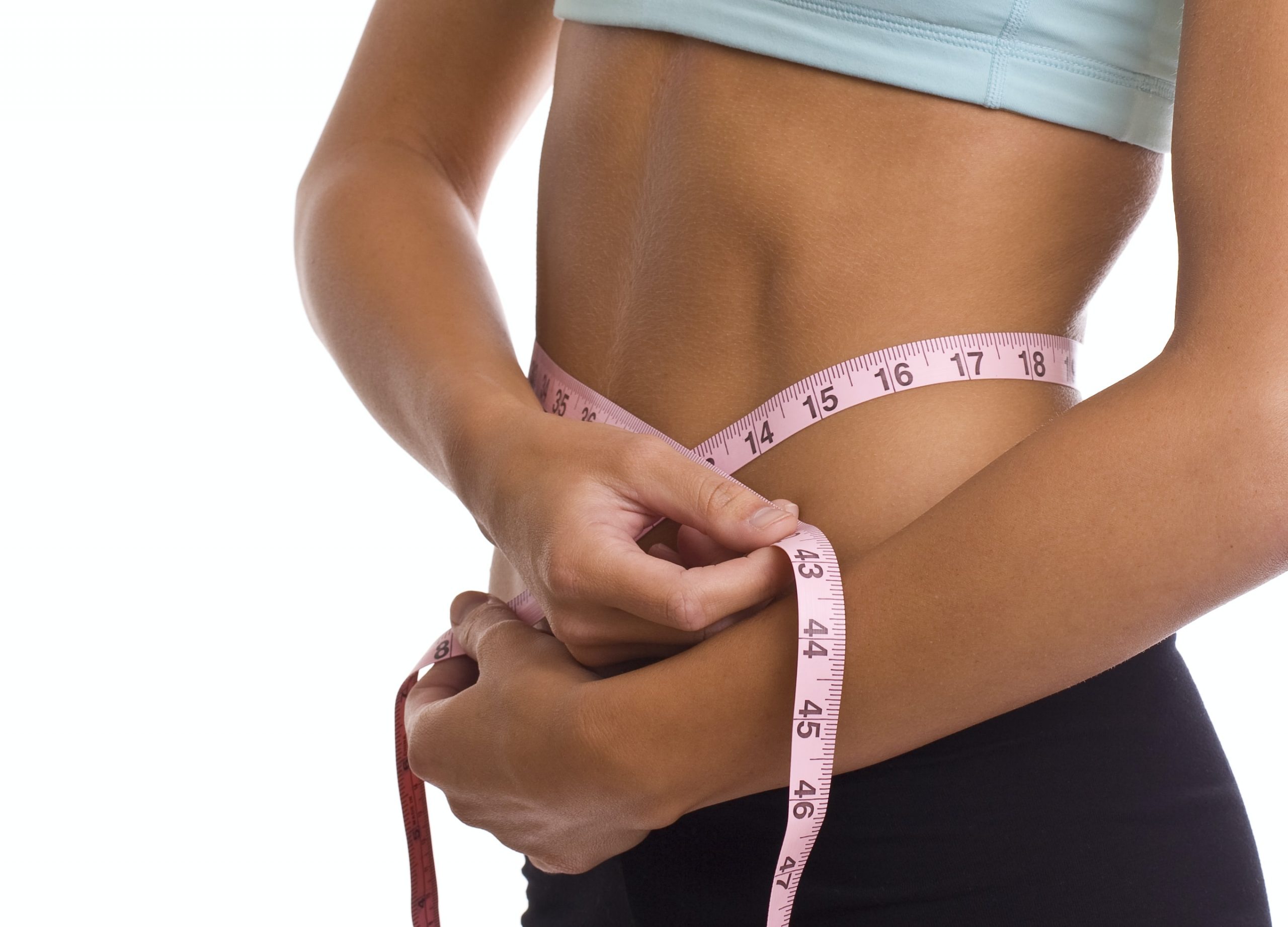
The body mass index was devised in the 1830s by Adolphe Quetelet, a Belgian astronomer and statistician. It is a useful guide, but it cannot tell muscle from fat, so the NHS also suggests checking that your waist measures less than half your height.
5You cannot burn fat from one spot.
Doing hundreds of sit-ups will strengthen your stomach muscles, but it will not burn fat from your stomach in particular. Your body decides where it loses fat from, and genes play a big part in that.
6Your genes affect your weight.
Studies of twins suggest that genes explain a large part of the differences in weight between people, partly by affecting appetite. Genes do not make weight loss impossible, but they help explain why it is harder for some people than for others.

7Poor sleep can make you hungrier.
Studies have linked short sleep with higher levels of ghrelin, a hormone that increases hunger, and lower levels of leptin, a hormone that helps you feel full. People who are short of sleep also tend to choose more high-calorie snacks.
8Protein helps you feel full.
Protein tends to keep people feeling full for longer than fat or carbohydrate, and the body uses more energy digesting it. Foods such as beans, pulses, fish, eggs and lean meat can help make a calorie-controlled diet easier to stick to.
9The scales go up and down from day to day.
Your weight can change by a kilogram or more in a day because of water, salt, food in your gut and stored carbohydrate, which holds water. That is why the NHS suggests weighing yourself once a week, at the same time of day.
10Sugary drinks are an easy place to cut calories.
Drinks do not fill you up the way food does, so the calories in them are easy to overlook. The UK introduced the Soft Drinks Industry Levy, often called the sugar tax, in 2018, and many manufacturers cut the sugar in their drinks to avoid it.

11Exercise matters most for keeping weight off.
Exercise on its own often leads to less weight loss than people expect, because it is easy to eat back the calories burned. But regular physical activity is strongly linked with keeping weight off once it has been lost, and it has many other health benefits.
12Weight loss can put type 2 diabetes into remission.
In the DiRECT trial, almost half of people with type 2 diabetes who followed a low-calorie diet programme were in remission after a year. The NHS now offers a similar programme to some people with type 2 diabetes. Very low-calorie diets like this should only be followed with medical supervision.
13Weight-loss injections are now available on the NHS for some people.
Medicines such as Wegovy (semaglutide) and Mounjaro (tirzepatide) can be prescribed on the NHS for some people living with obesity, alongside changes to diet and activity. They are prescription-only medicines, and the medicines regulator, the MHRA, has warned people not to buy them from unregulated sellers online.
FAQs about weight loss
How fast can I safely lose weight?
The NHS says about 0.5 kg to 1 kg (1 lb to 2 lb) a week is safe for most people.
What is the best diet for weight loss?
The best diet is one you can stick to. Many different approaches work if they help you eat fewer calories over time. The NHS Weight Loss Plan is a free 12-week app based on healthy eating and activity.
Can drinking water help me lose weight?
Swapping sugary drinks for water can cut calories, and some people find drinking water before meals helps them feel fuller. Water itself does not burn fat.
Sources and further reading
- NHS: lose weight
- BMJ: When somebody loses weight, where does the fat go? (2014)
- NHS England: Health Survey for England
Explore more: breakfast foods that can help with weight loss, facts about intermittent fasting and facts about the Mediterranean diet.
Do you know any fun facts about weight loss? Share them in the comments below!
Spotted something wrong? Suggest a correction
We check every suggestion and update articles when facts change. Thank you for helping keep facts.uk accurate.


Leave a Reply