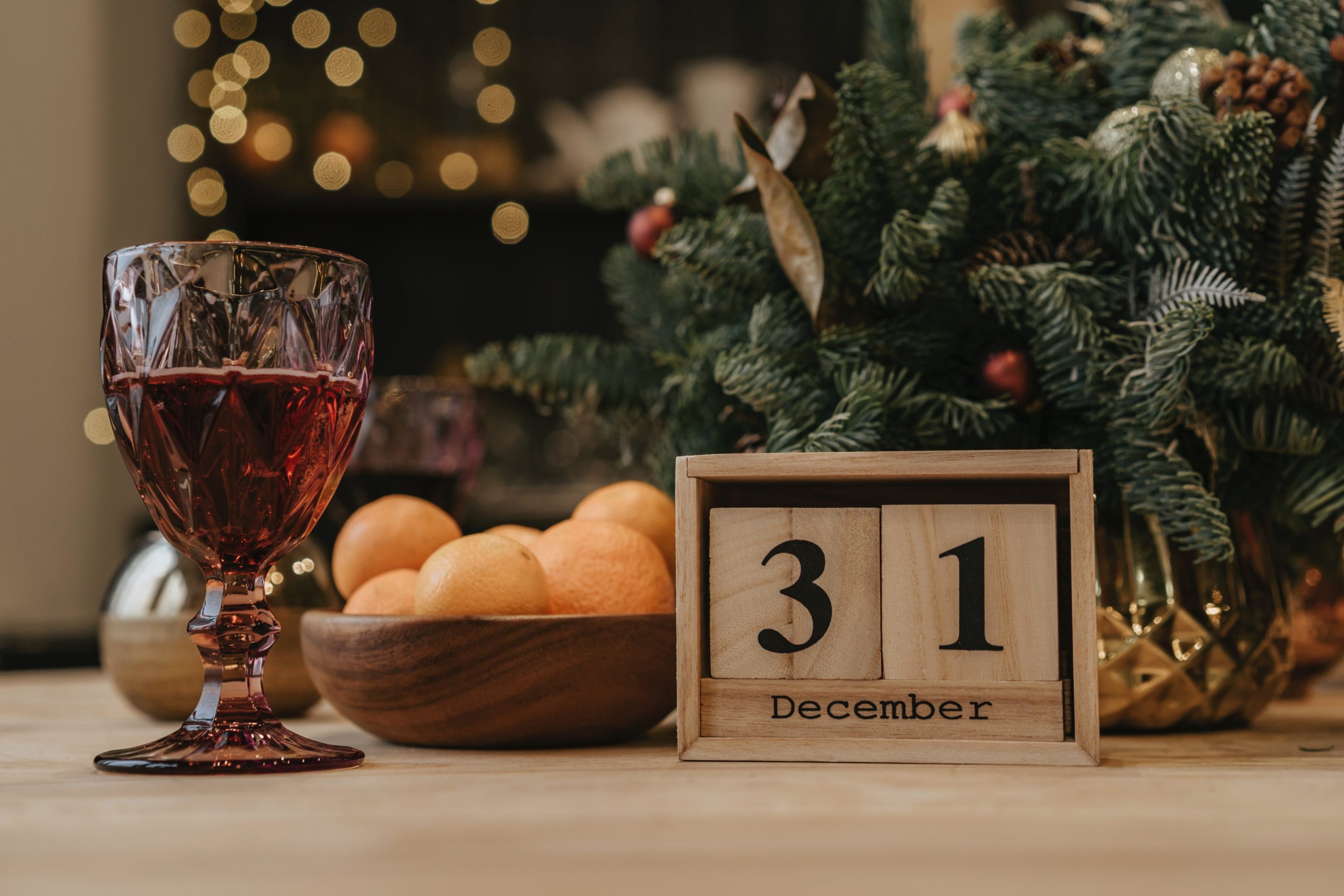
New Year’s Eve is one of the few celebrations shared by almost the whole world. From fireworks over the Thames to grapes in Madrid and bells in Tokyo, every country sees in the new year in its own way. Here are 20 fun facts about New Year’s Eve.
1The Romans moved New Year to January.
The early Roman calendar started in March. From 153 BC, Rome’s new consuls took office on 1 January, and Julius Caesar’s calendar reform of 46 BC made 1 January the official start of the year.

2England’s New Year used to be in March.
For centuries, the legal year in England began on 25 March, Lady Day. It only moved to 1 January in 1752, when Britain also switched to the Gregorian calendar. Scotland had made the change in 1600.
3The first places to see in the new year are in the Pacific.
Kiribati’s Line Islands, including Kiritimati, are among the first inhabited places to reach midnight. The last are American Samoa and the uninhabited islands of Baker and Howland, 26 hours later.
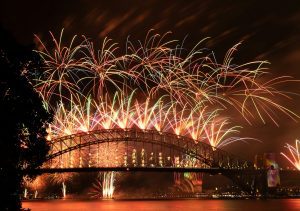
4Sydney’s fireworks are seen in the UK at lunchtime.
Because Sydney is 11 hours ahead of the UK in December, its famous Harbour Bridge fireworks happen at 1pm British time.
5London’s fireworks are timed to Big Ben.
The display on the Thames begins with the first stroke of Big Ben at midnight. Since 2014, people have needed tickets to watch from the riverside areas.
6Scotland’s Hogmanay is a festival in itself.
Hogmanay celebrations can last for days. In the tradition of “first-footing”, the first visitor to cross your threshold after midnight brings luck, especially if they are tall and dark-haired and carry gifts such as coal, shortbread or whisky.
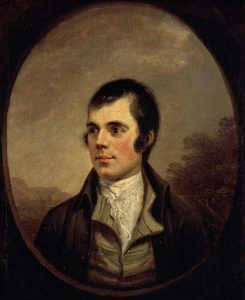
7“Auld Lang Syne” was written down by Robert Burns.
Burns sent the song to the Scots Musical Museum in 1788, saying he had collected it from an old man’s singing. Its title means roughly “for old times’ sake”.
8The Times Square ball has dropped since 1907.
The first New Year’s Eve ball drop in New York took place on 31 December 1907. It was only cancelled in 1942 and 1943, during wartime blackouts, when crowds held a minute’s silence instead.
9Today’s ball weighs nearly six tonnes.
The current Times Square ball is 12 feet across and weighs 11,875 pounds (about 5.4 tonnes), and is covered in 2,688 Waterford crystal triangles.
10In Spain, people eat 12 grapes at midnight.
Spaniards eat one grape with each of the 12 chimes of midnight, one for each month of the coming year. The tradition took off in the early 1900s and has spread to Mexico and other Spanish-speaking countries.
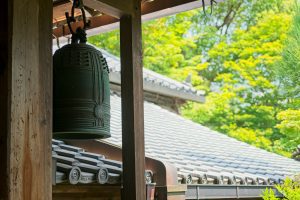
11Japanese temples ring their bells 108 times.
In the joya no kane ceremony, Buddhist temples ring their bells 108 times as the year ends, to drive away the 108 worldly desires believed to cause suffering.
12Red underwear is said to bring luck.
In Italy, Spain and parts of Latin America, wearing red underwear on New Year’s Eve is believed to bring luck and love in the year ahead.
13In Brazil, people jump seven waves.
Many Brazilians dress in white and head to the beach, where they jump over seven waves, making a wish for each, as an offering to the sea goddess Iemanjá.
14Some people burn the old year.
In Ecuador and Colombia, families make life-size dummies called año viejo, “old year”, often dressed as celebrities or politicians, and burn them at midnight to leave the bad times behind.
15Danes jump off chairs and smash plates.
In Denmark, people stand on chairs and jump off at midnight to “leap” into the new year. Some also throw old plates at friends’ front doors for luck.
16There is a New Year’s Eve music festival in Antarctica.
Staff at the US McMurdo Station in Antarctica have held a music festival called Icestock on New Year’s Eve for decades.

17The Babylonians made the first resolutions.
About 4,000 years ago, Babylonians made promises to their gods at the start of their new year, often to pay debts and return borrowed objects.
18Most resolutions do not last long.
The fitness app Strava found that many people give up their New Year’s resolutions by the second Friday of January, which it nicknamed “Quitter’s Day”.
19NASA once avoided flying the Space Shuttle over New Year.
The Space Shuttle’s computers were not designed to cope with the change of year during a flight, so NASA planned missions to avoid being in space over New Year’s Eve. A fix was developed in the mid-2000s.
20You can celebrate New Year twice.
Many people also celebrate Lunar New Year, which falls between 21 January and 20 February, as well as other new years such as Rosh Hashanah, Nowruz and Diwali in some traditions.

FAQs about New Year’s Eve
Which country celebrates New Year first?
Kiribati, in the Pacific Ocean, is one of the first countries to reach midnight, followed by New Zealand and then Australia.
Why do we sing “Auld Lang Syne” at New Year?
The Scottish tradition of singing it at Hogmanay spread around the world, helped by Scottish emigrants and, later, by bandleader Guy Lombardo’s New Year’s Eve broadcasts in the US.
Sources and further reading
- Royal Museums Greenwich: the Royal Observatory
- Times Square New Year’s Eve
- Britannica: New Year’s Day
Explore more: facts about Christmas and facts about time.
Do you know any fun facts about New Year’s Eve? Share them in the comments below!
Spotted something wrong? Suggest a correction
We check every suggestion and update articles when facts change. Thank you for helping keep facts.uk accurate.

Leave a Reply