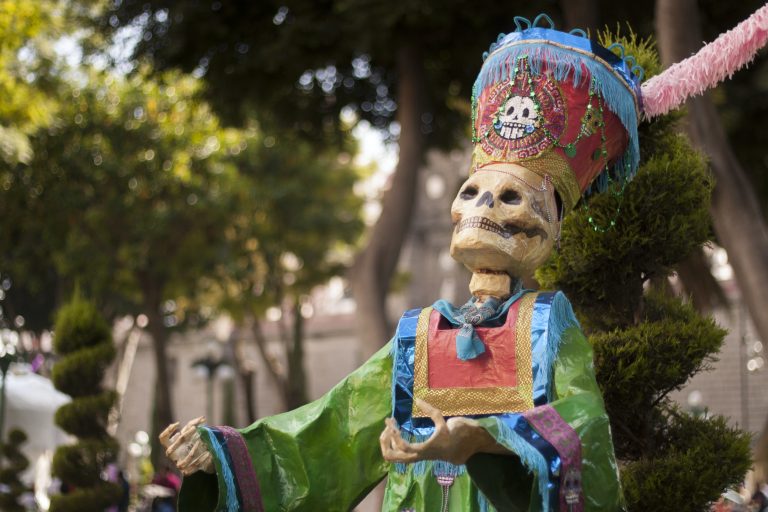
New Year’s Day, 1 January, is a fresh start for much of the world: a day for resolutions, family, long walks and, for some brave people, a swim in freezing water. Here are 12 facts about New Year’s Day.
1It is named after the god of beginnings.
January takes its name from Janus, the Roman god of doors and beginnings, who was shown with two faces, one looking back and one looking forward.
2The Romans made 1 January the start of the year.
From 153 BC, Rome’s new consuls took office on 1 January, and Julius Caesar’s calendar of 46 BC fixed it as the first day of the year.
3England’s year used to start in March.
For centuries, the legal year in England began on 25 March. It changed to 1 January in 1752. Scotland had already made the switch in 1600.

4It has been a bank holiday in England since 1974.
New Year’s Day became a public holiday in England and Wales in 1974. Scotland, where Hogmanay is a bigger celebration, also has a bank holiday on 2 January.
5Scots take a freezing dip.
At the Loony Dook, which began in 1987, hundreds of people in fancy dress plunge into the Firth of Forth at South Queensferry on New Year’s Day.
6London holds a huge parade.
The London New Year’s Day Parade, held since 1987, features thousands of performers, including marching bands from across the US.
7Vienna’s concert is watched around the world.
The Vienna Philharmonic’s New Year’s Concert, first held in 1939, is broadcast to tens of millions of viewers. It traditionally ends with the audience clapping along to the “Radetzky March”.

8California has the Rose Parade.
The Rose Parade in Pasadena has been held on or around New Year’s Day since 1890, with floats covered entirely in flowers and other natural materials.
9The first foot over the threshold matters.
In the Scottish and northern English tradition of first-footing, the first visitor of the new year should bring gifts such as coal, salt, shortbread or whisky to bring luck to the household.
10In Japan it is the most important holiday.
Japanese New Year, or shōgatsu, is celebrated over several days. Postal workers deliver hundreds of millions of New Year greeting cards, called nengajō, on 1 January.
11Resolutions are around 4,000 years old.
The ancient Babylonians made promises to their gods at the start of each new year, often to repay debts.

12The New Year Honours are published at New Year.
Each year, the list of people receiving honours such as knighthoods, OBEs and MBEs is published at the very end of December, in time for the new year.
FAQs about New Year’s Day
Is New Year’s Day a bank holiday?
Yes, across the UK. Scotland also has a bank holiday on 2 January.
Why does the year start on 1 January?
Because the Romans chose it, and the Gregorian calendar used by most of the world today kept the same date.
Sources and further reading
Explore more: facts about New Year’s Eve and what happened on 1 January.
Do you know any facts about New Year’s Day? Share them in the comments below!
Spotted something wrong? Suggest a correction
We check every suggestion and update articles when facts change. Thank you for helping keep facts.uk accurate.