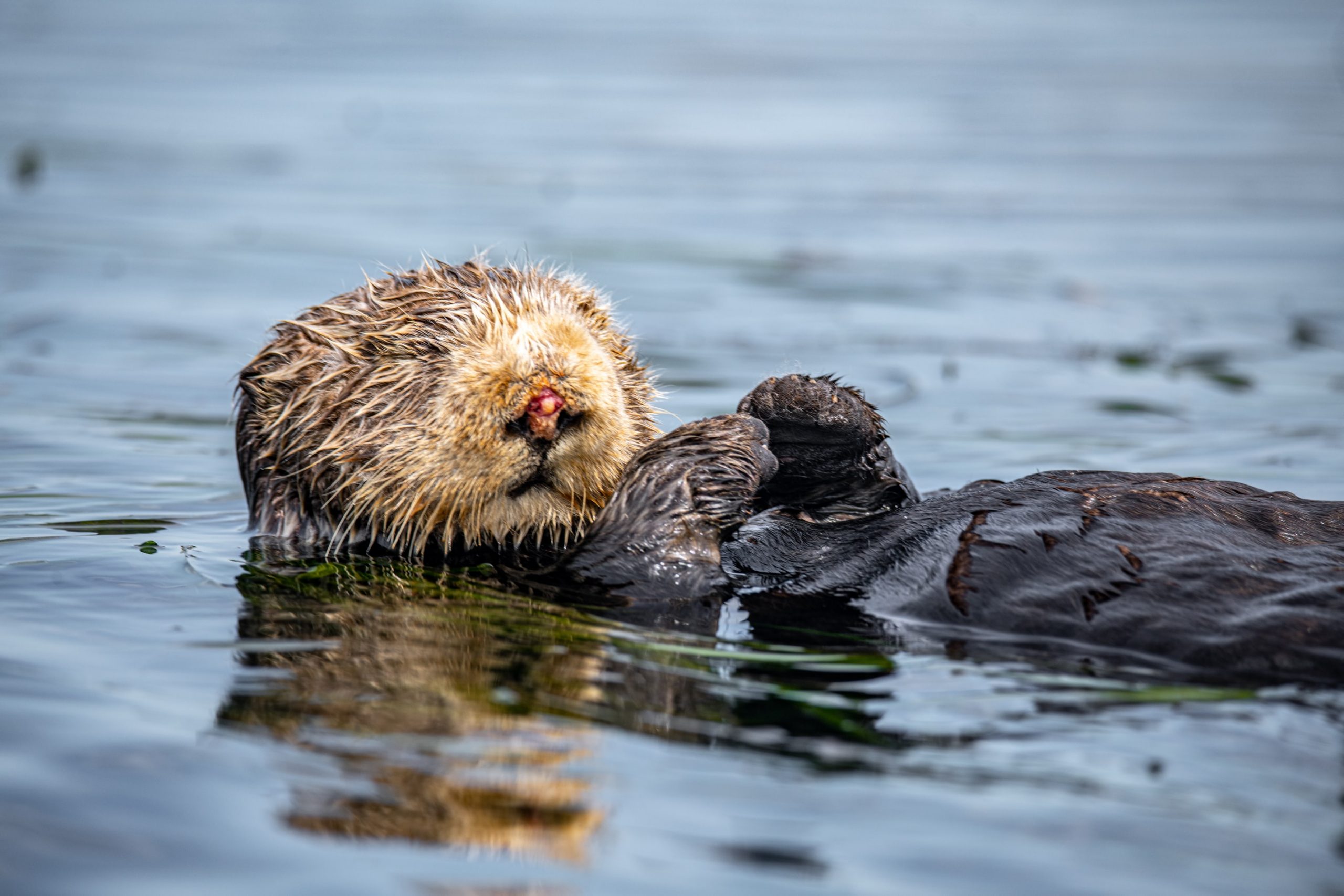
Otters are playful, fish-eating mammals that live in rivers, lakes and coastal seas on several continents, including right here in Britain. They have the thickest fur of any animal, some of them use rocks as tools, and the UK’s own otter came back from near extinction. Here are 19 facts about otters.
1Otters belong to the weasel family.
Otters are mustelids, members of the family Mustelidae. Their British relatives include badgers, stoats, weasels and pine martens. Skunks were once grouped with them too, but genetic studies have since placed skunks in a family of their own.
2There are 13 species of otter.
Most experts recognise 13 species, although some organisations count 14. The biggest is the giant otter of South America, which can reach about 1.8 metres (almost 6 feet) long including its tail.

3Britain has just one kind of otter.
The only otter found in the UK is the Eurasian otter, also called the European otter. An adult is 60 to 80 cm long with a tail of 32 to 56 cm, and weighs about 6 to 8 kg.
4Sea otters have the densest fur of any animal.
A sea otter can have up to about one million hairs on every square inch of skin, which is roughly 155,000 hairs per square centimetre.
5Sea otters keep warm without blubber.
Unlike seals and whales, sea otters have no thick layer of fat. They rely on air trapped in their fur, so they spend about 15% of each day grooming it to keep it clean and waterproof.
6A sea otter eats about a quarter of its body weight every day.
Staying warm in cold water uses a lot of energy. To keep going, a sea otter needs to eat around 25% of its own weight in crabs, clams, sea urchins, mussels and other prey each day.
7Sea otters use rocks as tools.
A sea otter will float on its back with a shellfish on its chest and bash it with a rock to crack it open.

8Sea otters help kelp forests to grow.
Sea otters eat sea urchins, which graze on giant kelp. Where otters disappear, urchin numbers can explode and strip the seabed bare, leaving areas called “urchin barrens”. This is why scientists call the sea otter a keystone species.
9Sea otters really do hold paws, but not very often.
A group of resting sea otters is called a raft. Some otters hold paws while they sleep so they do not drift apart, but this is less common than viral videos suggest. Most rafts stay together by keeping close and watching each other.
10Sea otters were nearly wiped out for their fur.
Fur traders hunted sea otters from the 1700s onwards. By the early 1900s fewer than 2,000 were left. Protection under the Fur Seal Treaty of 1911 allowed the population to recover.
11The sea otter is still an endangered species.
The sea otter is listed as Endangered on the IUCN Red List. In California, only about 50 were found off the Big Sur coast in 1938, and the southern sea otter population there is now around 3,000.
12Pesticides almost wiped out otters in England.
Otter numbers in England crashed to near extinction by the 1970s. Organochlorine pesticides harmed the otters’ health and reduced the fish they depend on. Once those chemicals were banned and rivers became cleaner, otters began to return.

13Otters are now back in every county in England.
An Environment Agency survey of 3,327 river sites in 2009 and 2010 found signs of otters at ten times as many places as 30 years earlier. Kent was the last county without them, and in 2011 otters were confirmed on the rivers Medway and Eden there.
14Otters are protected by law in the UK.
The Eurasian otter is protected under the Wildlife and Countryside Act 1981. Worldwide, it is listed as Near Threatened on the IUCN Red List.
15Otter droppings are said to smell of jasmine tea.
Otter droppings are called spraints. Otters leave them on rocks and logs as scent messages for other otters, and the Wildlife Trusts describe their smell as pleasant and a bit like jasmine tea.
16Otter cubs are born in a holt.
A Eurasian otter’s den is called a holt. It is an underground burrow where the mother gives birth and raises her cubs.
17British otters mainly eat fish.
Eurasian otters feed mostly on fish, especially eels, salmon and trout. They also take waterbirds, frogs and other amphibians and crustaceans.
18North American river otters move into beavers’ homes.
River otters in North America do not usually dig their own dens. Instead they use dens made by other animals, including beaver lodges and burrows, as well as hollow logs and log jams.

19In Bangladesh, people still fish with otters.
For centuries, fishing families in south-west Bangladesh have trained smooth-coated otters to chase fish into their nets. The tradition is fading fast: a 2022 survey found only 15 families still doing it, and the number of captive otters had fallen by 77% in ten years.
FAQs about Otters
Where can I see otters in the UK?
Otters live across much of the UK and can be seen all year round. Good places include the west coast of Scotland, West Wales, the West Country and East Anglia.
Do otters really hold hands?
Sea otters sometimes hold paws while they sleep so they do not drift apart, but it is not something every otter does.
How long do otters live?
Eurasian otters in the wild usually live 5 to 10 years. Sea otters can live for 15 to 20 years.
Sources and further reading
- The Wildlife Trusts: European otter
- Monterey Bay Aquarium: Sea otter
- Alaska Department of Fish and Game: Northern sea otter species profile
- IUCN Otter Specialist Group Bulletin: A centuries-old otter-fishing practice in Bangladesh
Explore more: facts about beavers, facts about badgers and facts about seals.
Do you know any fun facts about otters? Share them in the comments below!
Spotted something wrong? Suggest a correction
We check every suggestion and update articles when facts change. Thank you for helping keep facts.uk accurate.
Leave a Reply