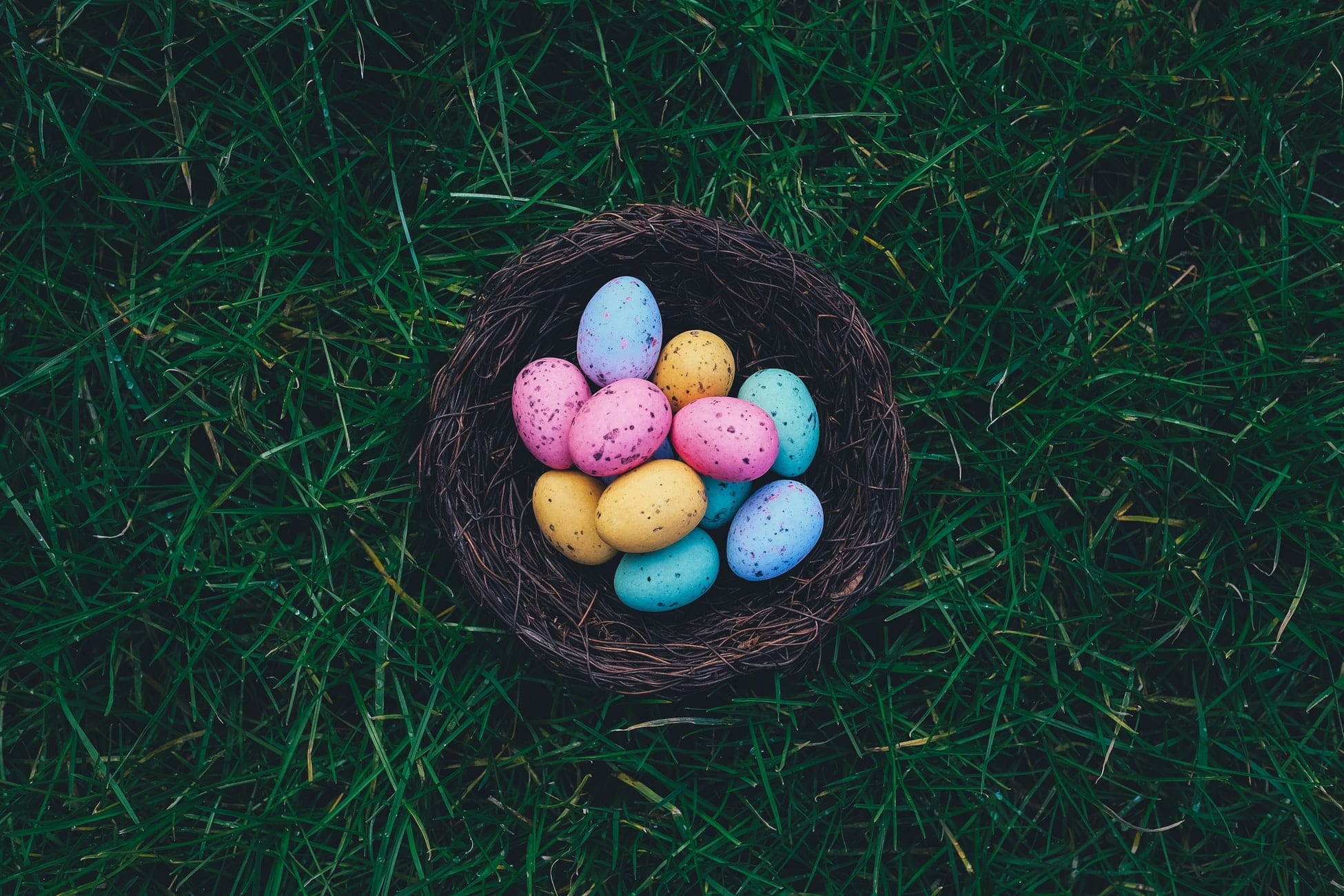
Easter is the most important festival in the Christian calendar, but its date is set by the moon, its name may come from a pagan goddess, and its bunny came from Germany. Here are 15 facts about Easter, from why the date changes every year to the chocolate egg taller than a giraffe.
Easter at a glance
Celebrates: the resurrection of Jesus Christ
When: a Sunday between 22 March and 25 April
Next Easter Sundays: 28 March 2027 and 16 April 2028
UK bank holidays: Good Friday everywhere; Easter Monday in England, Wales and Northern Ireland
Symbols: eggs, the Easter bunny, hot cross buns and the cross
1It celebrates the resurrection of Jesus.
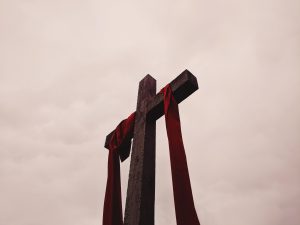
Christians believe that Jesus was crucified on a Friday and rose from the dead on the Sunday, which became Easter Day. It ends Holy Week, which includes Palm Sunday, Maundy Thursday (the Last Supper) and Good Friday.
2Its date is set by the moon.
Easter Sunday is the first Sunday after the first full moon on or after 21 March, the date the church uses for the spring equinox. That rule, agreed in the early centuries of the church, is why Easter can fall anywhere between 22 March and 25 April.
3Many Orthodox Christians celebrate it on a different day.
Eastern Orthodox churches work out the date using the older Julian calendar, so their Easter is often one or more weeks later than in the West. In some years, such as 2025, the two fall on the same Sunday.
4Its name may come from a goddess.
The 8th-century English monk Bede wrote that the month around Easter was named after Eostre, an Anglo-Saxon goddess of spring. Most other languages use a name based on Pesach, the Hebrew word for Passover, such as Pâques in French, Pasqua in Italian and Pasg in Welsh.
5It ends 40 days of Lent.
Lent begins on Ash Wednesday and lasts 40 days, not counting Sundays, in memory of Jesus’s 40 days in the wilderness. Many Christians give something up, and Shrove Tuesday, or Pancake Day, began as a way to use up eggs, butter and fat before the fast.
6Eggs were once forbidden during Lent.
In medieval Europe, eating eggs was banned during Lent, so by Easter there were plenty to use up. Eggs were also a symbol of new life and the empty tomb, and people decorated and gave them as gifts. In parts of northern England, decorated “pace eggs” are still rolled down hills at Easter.
7Britain’s first chocolate egg was made in Bristol.
J. S. Fry & Sons of Bristol made the first chocolate Easter egg in Britain in 1873, and Cadbury followed in 1875. Early eggs were made of dark chocolate with a plain surface.

8The tallest chocolate egg was taller than a giraffe.
According to Guinness World Records, the tallest chocolate Easter egg ever made measured 10.39 metres (34 feet) and weighed 7,200 kg. It was made in Tuscany, Italy, in 2011.
9Around 500 million Creme Eggs are made every year.
Cadbury Creme Eggs are made at Bournville in Birmingham, and Cadbury says around 500 million are produced each year. They are only sold between New Year’s Day and Easter.
10The Easter Bunny came from Germany.
The idea of an egg-laying hare, the Osterhase, comes from German folklore. German settlers took the tradition to America in the 1700s, where children made nests for the hare to fill with coloured eggs, and the hare gradually became a rabbit.
11Hot cross buns are a Good Friday tradition.
Spiced buns marked with a cross are eaten on Good Friday, with the cross standing for the crucifixion. In 1592, during the reign of Elizabeth I, the London Clerk of Markets banned their sale except on Good Friday, at Christmas and at burials.
12The most famous Easter eggs were made for a Tsar.
In 1885, Tsar Alexander III of Russia ordered a jewelled egg from the jeweller Peter Carl Fabergé as an Easter present for his wife. Fabergé went on to make 50 imperial eggs for the Russian royal family, and the few that come up for sale are worth millions.
13The White House has held an egg roll since 1878.
Every Easter Monday, children race to push eggs across the White House lawn with long spoons. The tradition began under President Rutherford B. Hayes in 1878 and now draws tens of thousands of visitors.

14The biggest Easter egg hunt had over half a million eggs.
The world’s largest Easter egg hunt took place in Winter Haven, Florida, in 2007, when 9,753 children searched for 501,000 eggs.
15An island was named after it.
The Dutch explorer Jacob Roggeveen landed on a remote Pacific island on Easter Sunday 1722 and named it Easter Island. Today it is part of Chile and famous for its giant moai statues.
FAQs about Easter
Why does Easter change date every year?
Because it is tied to the moon. Easter Sunday is the first Sunday after the first full moon on or after 21 March, so it moves between 22 March and 25 April.
Why do we give eggs at Easter?
Eggs are an ancient symbol of new life, and for Christians they represent the resurrection. In the Middle Ages, eggs were also banned during Lent, so Easter was the time to eat and share them.
Is Easter a pagan festival?
Easter is a Christian festival celebrating the resurrection, linked to the Jewish Passover. Some of its customs, and possibly its English name, may come from older spring traditions, but historians disagree about how much.
Is Easter Monday a bank holiday?
Yes, in England, Wales and Northern Ireland. In Scotland, Good Friday is a bank holiday but Easter Monday is not.
Sources and further reading
Explore more: facts about Easter Island.
Do you know any fun facts about Easter? Share them in the comments below!
Spotted something wrong? Suggest a correction
We check every suggestion and update articles when facts change. Thank you for helping keep facts.uk accurate.

Leave a Reply