
Seth, or Set, was the ancient Egyptian god of storms, the desert and chaos. He is best known as the villain who murdered his brother Osiris, but the Egyptians saw him as more than a simple bad guy. Here are 12 facts about the Egyptian god Seth.
1His Egyptian name was Set.
The Egyptians wrote his name as Set or Sutekh. “Seth” is the version used by the Greeks, and both are still used today.
2He was the god of storms, the desert and foreign lands.
Seth ruled over the forces the Egyptians feared: violent storms, the barren “red land” of the desert, and the foreign countries beyond Egypt’s borders.
3Nobody knows what animal he was.
Seth is shown with the head of a strange creature with a long curved snout, tall square-topped ears and a stiff forked tail. Egyptologists have compared it to a donkey, an aardvark and a jackal, but it does not match any real animal and may be imaginary. It is simply called the “Seth animal”.

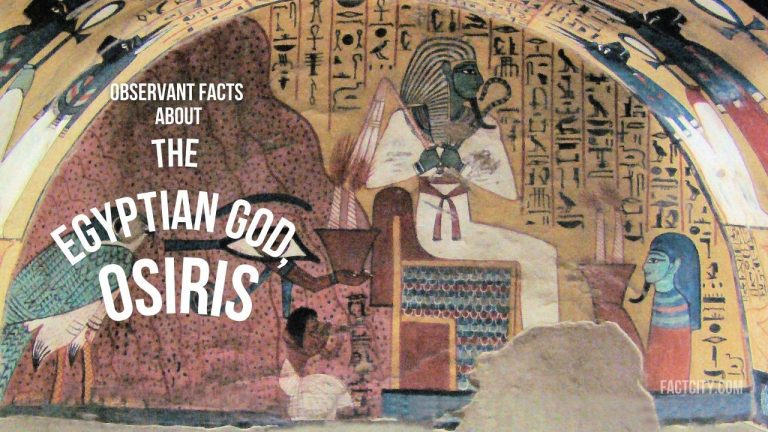
4He murdered his brother Osiris.
In the best-known version of the myth, Seth tricked Osiris into lying in a beautiful chest at a feast, then sealed it and threw it into the Nile. Later he cut his brother’s body into pieces and scattered them across Egypt.
5He fought Horus for 80 years.
Osiris’s son Horus challenged Seth for the throne of Egypt. An ancient story called The Contendings of Horus and Seth says their quarrel lasted 80 years, until the other gods finally ruled in favour of Horus.
6Horus lost an eye in the fight.
Seth tore out one of Horus’s eyes during their battles. The eye was healed and became the Eye of Horus, a symbol of protection and healing that the Egyptians wore as an amulet.
7Every night, he protected the Sun god.
Seth was not only a villain. The Egyptians believed he rode at the front of Ra’s boat as it sailed through the underworld at night, spearing the giant serpent Apep, who tried to swallow the Sun.
8His wife was his sister Nephthys.
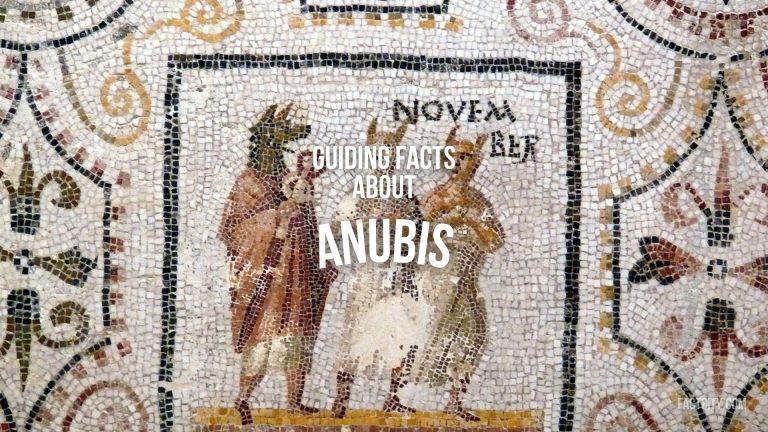
Seth married his sister, the goddess Nephthys. In some versions of the myth, Nephthys was the mother of Anubis by Osiris, which added to the bitterness between the brothers.
9Pharaohs were named after him.
The pharaohs Seti I and Seti II took their names from him, meaning “man of Seth”. A Second Dynasty king, Peribsen, even placed the Seth animal above his name instead of the usual Horus falcon.
10Ramesses II’s army had a division named after him.
At the Battle of Kadesh in about 1274 BC, Ramesses II’s army was split into four divisions named after the gods Amun, Ra, Ptah and Seth.
11He helped to tie Egypt together.
Seth and Horus are often shown side by side, tying together the plants of Upper and Lower Egypt around a symbol meaning “unite”. The image stood for the joining of the Two Lands under one king.

12His reputation got worse over time.
In later periods, after Egypt was invaded by foreign powers, Seth was increasingly seen as evil and some of his images were defaced. The Greeks linked him with Typhon, a monster from their own myths.
FAQs about the Egyptian god Seth
Was Seth good or evil?
Both. He was the murderer of Osiris and a bringer of chaos, but he also defended the Sun god every night and was worshipped by kings. Over time, he was seen as more and more evil.
Why did Seth kill Osiris?
The myths say he was jealous of his brother, who was king of Egypt, and wanted the throne for himself.
Are Seth and Anubis related?
In some myths, Anubis is the son of Seth’s wife Nephthys and his brother Osiris, which makes Seth his uncle by blood and stepfather by marriage. Other versions give Anubis different parents.
Sources and further reading
Explore more: facts about Ra, facts about Anubis and facts about Amun.
Do you know any fun facts about the Egyptian god Seth? Share them in the comments below!
Spotted something wrong? Suggest a correction
We check every suggestion and update articles when facts change. Thank you for helping keep facts.uk accurate.

Leave a Reply