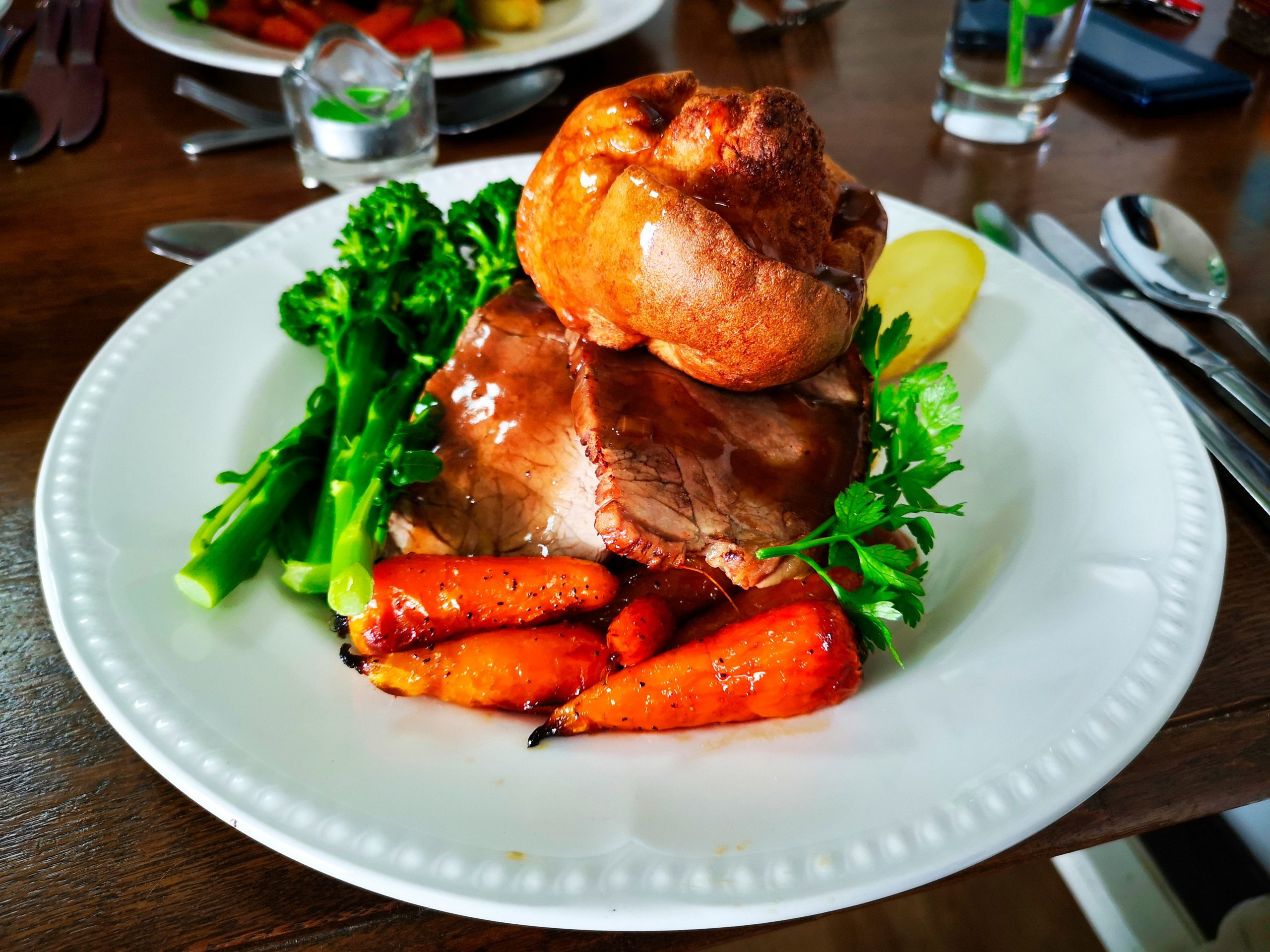
For most people in the UK, Sunday is the day for a lie-in, a roast dinner and a walk. It has been a day of rest for more than 1,700 years, but not everywhere: in some countries it is the first day of the working week. Here are 14 fun facts about Sunday.
1Sunday is the Sun’s day.
The name comes from the Old English Sunnandæg, “the Sun’s day”. The Romans called it dies Solis, the day of the Sun.

2In many languages it is “the Lord’s day”.
Spanish domingo, French dimanche and Italian domenica all come from the Latin dies Dominicus, “the Lord’s day”. In Russian it is voskresenye, meaning “resurrection”.
3A Roman emperor made it a day of rest.
On 7 March 321, the Emperor Constantine ordered that Sunday should be a day of rest for city dwellers and workshops, one of the first laws to set aside a weekly day off.
4Christians worship on Sunday because of Easter.
Early Christians met on Sunday because it was the day they believed Jesus rose from the dead. Easter Sunday remains the most important day in the Christian calendar.

5In some countries, Sunday is a working day.
In Israel, Saudi Arabia and several other Middle Eastern countries, the working week runs from Sunday to Thursday, with the weekend on Friday and Saturday.
6Sunday’s child is bonny and blithe.
According to the nursery rhyme “Monday’s Child”, the child born on the Sabbath day is “bonny and blithe, and good and gay”, the happiest fortune of the week.
7Big shops in England and Wales can only open for six hours.
Under the Sunday Trading Act 1994, large shops in England and Wales can open for a maximum of six hours on a Sunday, between 10am and 6pm. Scotland has no such limits.

8The world’s oldest Sunday newspaper is British.
The Observer, first published in 1791, is the oldest Sunday newspaper in the world.
9Mothering Sunday is older than Mother’s Day.
Mothering Sunday, on the fourth Sunday of Lent, began as the day people returned to their “mother church”. It later became the UK’s Mother’s Day, which is why it falls on a different date from the American version in May.
10Remembrance Sunday honours the war dead.
On the second Sunday in November, the nation falls silent at 11am, and the King leads the national service of remembrance at the Cenotaph in Whitehall.

11A month starting on Sunday always has a Friday the 13th.
If the 1st of a month is a Sunday, the 13th will always be a Friday. Every year has at least one Friday the 13th.
12In Thailand, Sunday’s colour is red.
Each day of the week has its own colour in Thai tradition, and Sunday’s is red, the colour linked with the Sun god Surya.
13Most Formula One races are held on Sundays.
Grand Prix weekends usually build up to the race on Sunday afternoon, after practice and qualifying on Friday and Saturday. The Las Vegas Grand Prix, held on a Saturday night, is a rare exception.

14Officially, Sunday is the last day of the week.
Under the international standard ISO 8601, used in the UK and most of Europe, the week ends on Sunday. In the US and many other countries, calendars show Sunday as the first day.
FAQs about Sunday
Why is it called Sunday?
Sunday means “the Sun’s day”, from the Old English Sunnandæg.
Is Sunday the first or last day of the week?
Both, depending on where you are. The international standard ISO 8601 makes it the last day, but many calendars, including American ones, start the week on Sunday.
What are the Sunday trading hours in England?
Large shops can open for up to six hours between 10am and 6pm. Smaller shops, under 280 square metres, can open whenever they like.
Sources and further reading
Explore more: facts about Saturday, Monday and Friday.
Do you know any fun facts about Sunday? Share them in the comments below!
Spotted something wrong? Suggest a correction
We check every suggestion and update articles when facts change. Thank you for helping keep facts.uk accurate.
Leave a Reply