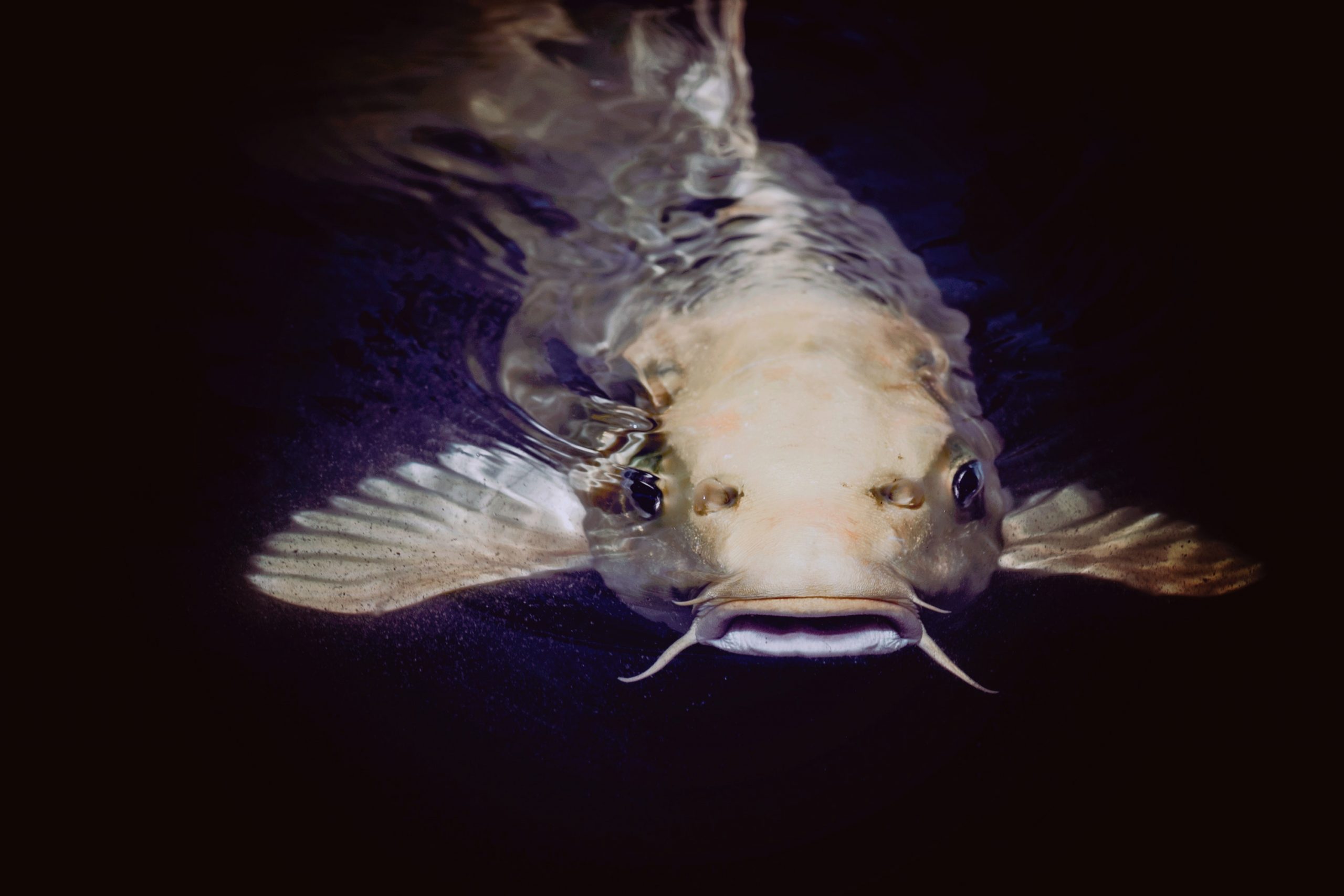
Catfish taste with their whole bodies, talk by drumming and creaking, and range from fish smaller than your fingernail to river giants heavier than a motorbike. Here are 14 facts about catfish, one of the most successful groups of fish on Earth.
Catfish at a glance
Scientific order: Siluriformes
Species: more than 3,000 known, with new ones still being found
Found: every continent except Antarctica
Biggest on record: a Mekong giant catfish weighing 293 kg (646 lb)
1They’re named after their “whiskers”.
The long feelers around a catfish’s mouth are called barbels. They look like a cat’s whiskers, but they aren’t hair at all: they are fleshy organs packed with sensors. Depending on the species, a catfish can have up to four pairs.
2Their whole body can taste.
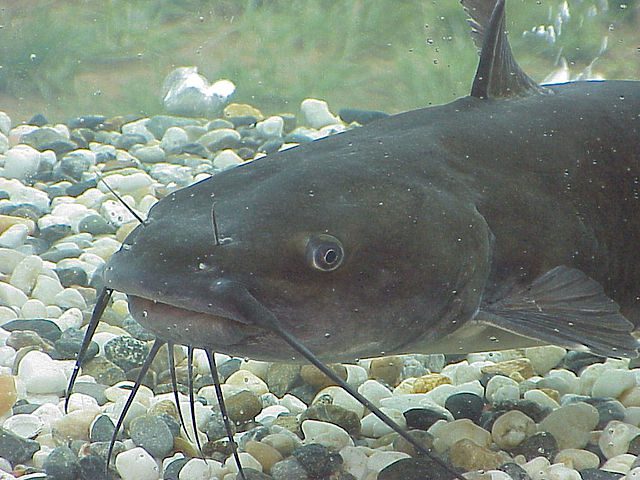
Catfish have taste buds not just in their mouths but all over their skin, and especially on their barbels. That lets them “taste” food in muddy or dark water where they can’t see it. A large channel catfish can have well over 100,000 taste buds, far more than a human.
3One in every 20 vertebrate species is a catfish.
With more than 3,000 known species, catfish make up around one in 20 of all the backboned animals on the planet. More than half of them live in the Americas, especially in the rivers of South America.
4They don’t have scales.
Most catfish have smooth, scaleless skin covered in slime. Some, such as the armoured catfish kept in aquariums, are protected instead by overlapping bony plates.
5Many catfish are venomous.
Most catfish have sharp spines on their front and back fins, which they can lock upright to make themselves hard to swallow. In many species, as many as half of all catfish by some estimates, the spines carry venom that causes a painful sting, so anglers handle them carefully.
6They talk by drumming and creaking.
Catfish make sounds in two ways: by vibrating their swim bladder with special muscles, which produces a drumming noise, and by rubbing their fin spines in a groove, which makes a creaking sound. They use these sounds when threatened and to warn off rivals.
7The biggest weighed more than a motorbike.
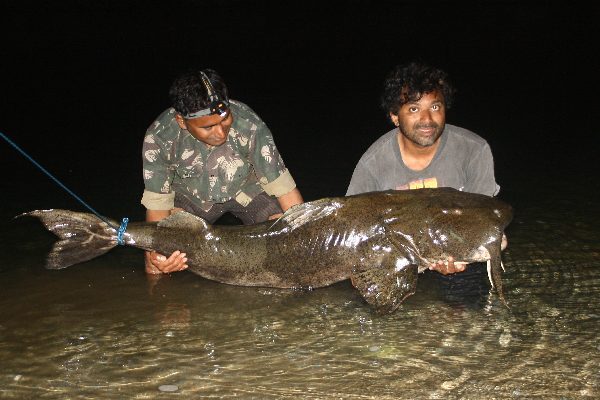
In 2005, fishermen on the Mekong River in Thailand caught a Mekong giant catfish weighing 293 kg (646 lb), one of the largest freshwater fish ever recorded. The species is now critically endangered.
8Some are smaller than a fingernail.
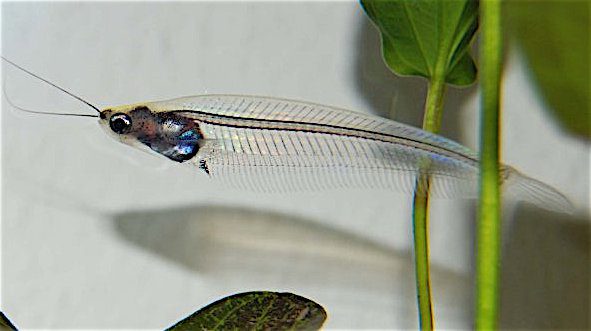
At the other end of the scale, some tiny South American catfish are fully grown at around 1 cm long. Glass catfish, popular in aquariums, are so transparent that you can see their bones.
9Europe’s giant is the wels catfish.
The wels catfish is native to central and eastern Europe and has been introduced to rivers in Spain, France and Italy, where anglers travel to catch fish more than 2 metres long. It is one of only two catfish native to Europe.
10Catfish dads often do the babysitting.
In many species, such as the North American channel catfish, the male guards the nest, fans the eggs with his fins to keep them supplied with oxygen, and protects the young after they hatch. Some catfish go further and carry the eggs in their mouths.
11Most live in fresh water, but not all.
Catfish live in rivers, lakes and swamps on every continent except Antarctica, usually near the bottom. Two families, the sea catfishes and the eel catfishes, live in salt water along tropical coasts.
12Some can breathe air and “walk”.
The walking catfish of Southeast Asia can wriggle across land from one pond to another using its fin spines, and it breathes air through a special organ above its gills. It can survive out of water for hours as long as it stays damp.
13One catfish gives electric shocks.
The electric catfish of Africa can produce a shock of up to around 350 volts, enough to stun the small fish it eats and to give a person a nasty jolt.
14The “catfishing” phrase comes from a film.
Using a fake online identity became known as catfishing after the 2010 documentary Catfish. In the film, a man explains a story that fishermen once kept catfish in tanks of cod to keep the cod active, and compares people who do that to those who keep others “on their toes”.
FAQs about catfish
How many species of catfish are there?
More than 3,000 have been described, and scientists are still discovering new ones, especially in South America.
Can a catfish sting you?
Yes. Many species have venomous fin spines that can cause a painful wound, so it’s best to handle them carefully.
How long do catfish live?
It depends on the species. Many aquarium catfish live 5 to 15 years, and large river species such as the wels catfish can live for decades.
Are catfish good to eat?
Yes. Catfish is widely farmed and eaten, especially in the southern United States and Southeast Asia, where it is often sold as basa or pangasius.
Sources and further reading
Do you know any fun facts about catfish? Share them in the comments below!
Spotted something wrong? Suggest a correction
We check every suggestion and update articles when facts change. Thank you for helping keep facts.uk accurate.

Leave a Reply