
The Netherlands Antilles was a Caribbean country made up of Dutch islands hundreds of kilometres apart. It was part of the Kingdom of the Netherlands for more than half a century, until it was dissolved on 10 October 2010. Here are 14 facts about the Netherlands Antilles and the islands that made it up.
The Netherlands Antilles at a glance
Existed: 1954 to 10 October 2010
Status: a self-governing country within the Kingdom of the Netherlands
Capital: Willemstad, on Curaçao
Islands: Curaçao, Bonaire, Sint Maarten, Sint Eustatius and Saba (and Aruba until 1986)
Population: about 200,000 at the time it was dissolved
Languages: Dutch, English and Papiamentu
1It was a country within a kingdom.
From 1954, the Netherlands Antilles was one of the countries that made up the Kingdom of the Netherlands, alongside the Netherlands itself. It ran most of its own affairs, while the kingdom handled defence and foreign policy.
2Its islands were split into two groups.
Curaçao and Bonaire (and Aruba at first) lie just off the coast of Venezuela, while Sint Maarten, Sint Eustatius and Saba are about 900 kilometres to the northeast. The two groups are often called the ABC islands and the SSS islands.

3Aruba left in 1986.
Aruba wanted to run its own affairs separately from Curaçao, and on 1 January 1986 it became a country in its own right within the kingdom. The stars on the Antilles flag were reduced from six to five to match.
4It was dissolved on 10/10/10.
On 10 October 2010, the Netherlands Antilles was split up. Curaçao and Sint Maarten became separate countries within the kingdom, while Bonaire, Sint Eustatius and Saba became special municipalities of the Netherlands, now known as the Caribbean Netherlands.
5Its capital is a UNESCO World Heritage Site.
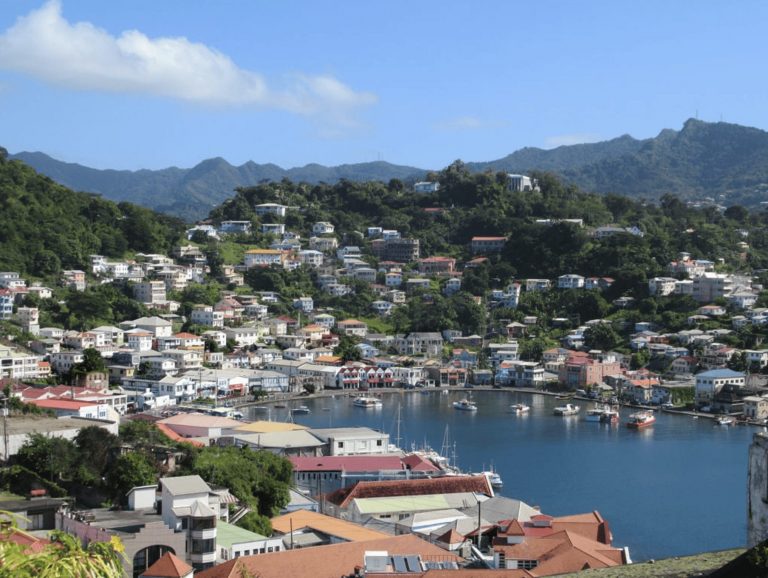
Willemstad, the capital of the Antilles and now of Curaçao, is famous for its brightly painted Dutch colonial buildings along the waterfront. Its historic centre and harbour were added to UNESCO’s World Heritage List in 1997.
6Willemstad has a floating bridge.
The Queen Emma Bridge, opened in 1888, is a pontoon bridge that swings open to let ships into Willemstad’s harbour. Locals call it “the swinging old lady”.

7Its people spoke a language found nowhere else.
On Curaçao and Bonaire, most people speak Papiamentu, a creole language that mixes Spanish, Portuguese, Dutch and African languages. It became an official language alongside Dutch and English in 2007.
8Its currency outlived the country.
The Netherlands Antillean guilder carried on being used in Curaçao and Sint Maarten for 15 years after the country was dissolved, until it was replaced by the new Caribbean guilder in 2025. Bonaire, Sint Eustatius and Saba switched to the US dollar in 2011.
9Sint Maarten shares its island with France.
Sint Maarten covers the southern part of the island of Saint Martin, while the north is the French territory of Saint-Martin. The whole island covers only about 87 square kilometres, making it the smallest inhabited island in the world divided between two countries.
10Planes land just above a beach.
At Maho Beach on Sint Maarten, jets coming in to land at Princess Juliana International Airport fly just a few metres above sunbathers’ heads, making it one of the world’s most famous plane-spotting spots.

11Saba has the kingdom’s highest mountain.
Mount Scenery on Saba, a dormant volcano 887 metres (2,910 feet) high, is the highest point in the whole Kingdom of the Netherlands, far higher than anything in the European Netherlands.
12Sint Eustatius saluted the United States first.
On 16 November 1776, the fort on Sint Eustatius fired a salute to the American ship Andrew Doria, one of the first times a foreign power recognised the flag of the newly independent United States. The day is now celebrated as Statia Day.
13Bonaire is famous for flamingos and reefs.
Bonaire has one of the largest flamingo breeding grounds in the Caribbean, and the whole coastline is protected as Bonaire National Marine Park, set up in 1979 and one of the oldest marine parks in the world.
14It won one Olympic medal.
The Netherlands Antilles competed at the Olympics until 2008. Its only medal came in 1988, when Jan Boersma won silver in windsurfing in Seoul.

FAQs about the Netherlands Antilles
What happened to the Netherlands Antilles?
It was dissolved on 10 October 2010. Curaçao and Sint Maarten became countries within the Kingdom of the Netherlands, and Bonaire, Sint Eustatius and Saba became special municipalities of the Netherlands.
Which islands were in the Netherlands Antilles?
Curaçao, Bonaire, Sint Maarten, Sint Eustatius and Saba, plus Aruba until it left in 1986.
Was Aruba part of the Netherlands Antilles?
Yes, until 1 January 1986, when it became a separate country within the kingdom.
What was the capital of the Netherlands Antilles?
Willemstad, on the island of Curaçao.
Sources and further reading
Explore more: facts about Curaçao and facts about Aruba.
Do you know any fun facts about the Netherlands Antilles? Share them in the comments below!
Spotted something wrong? Suggest a correction
We check every suggestion and update articles when facts change. Thank you for helping keep facts.uk accurate.
Leave a Reply