
Want to learn a little more about the countries of the Caribbean? Take a look at these 17 fun facts about The Dominican Republic!
1Where is the Dominican Republic?
The Dominican Republic is a large, mountainous country in the Caribbean Sea.
It shares a single border with Haiti to the west. It also has a coastline along the Caribbean Sea to the north, east and south.
2It’s impressively large!
This beautiful country has an area of 18,704 square miles (48,442 square kilometres). This makes it the second-largest nation in the West Indies.
3Grab your phone!
The international dialling code for the Dominican Republic is +1809.

4Millions upon millions call it home.
Dominican Republic’s population was 10.85 million in 2020.
5What’s the capital of the Dominican Republic?
The capital city is called Santo Domingo; it covers an area of 40.3 square miles (104.4 square kilometres) and has a population of 2.2 million (2011).
6The terrain is up and down – in a good way!
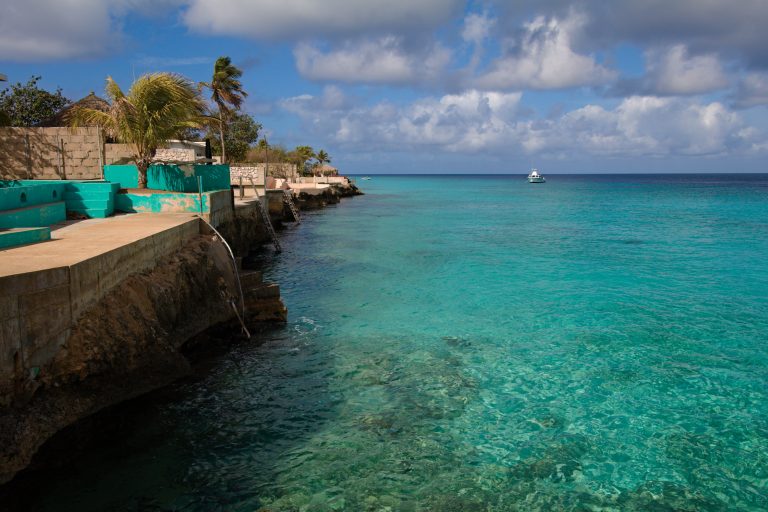
Dominican Republic’s terrain is made up of rugged highlands and mountains with fertile valleys, along with perfect sandy beaches and crisp clear water – perfect for exploring or relaxing!
7Much of it is national parkland!
Around 25% of The Dominican Republic’s land and the coastline is protected as a national park, reserve or sanctuary. This is to ensure its amazing flora and fauna will be able to be enjoyed for many years to come!
8Columbus discovered the country.
This incredible country was discovered by Christopher Columbus on his first trip in 1492!
9Croc spotting galore!
The Dominican Republic is home to Lago Enriquillo which is a large, hypersaline lake that boasts around 400 species of crocodile… not suitable for a spot of midnight skinny dipping then!

10Here’s the compass details.
For a spot of eco-tourism full of clear blue water, perfect sandy beaches and delicious rum, head for the coordinates of the Dominican Republic, which are 19.0000° N, 70.6667°.
11Batter up!
The national sport of the Dominican Republic is baseball!
12It’s lovely here all year round.
The Dominican Republic enjoys a tropical maritime climate with little seasonal temperature variation. Sounds idyllic, let’s go!

13You’ll likely enjoy a long life out here.
The average life expectancy here is a sunny 74.08 years (2019).
14There’s unique animals here, too!
The Red Iguana Ricordi is a species of Iguana unique to the island of Hispaniola (consisting of the Dominican Republic and Haiti).
15Be sure to change up the cash.
The official currency of the Dominican Republic is the Dominican Peso.

16What do people speak in the Dominican Republic?
Spanish is the official language of the Dominican Republic.
17Here’s some industry facts.
The Dominican Republic grows coffee, sugarcane, cacao and cotton and rears cattle.
The country’s industry consists of tourism, textiles, sugar processing and ferronickel and gold mining.
The Dominican Republic exports sugar, gold, ferronickel, silver, tobacco, cocoa and coffee.

FAQs about the Dominican Republic
Is it safe to visit the Dominican Republic?
The country experiences some crime – as do most places – so take usual levels of caution when visiting.
Is the Dominican Republic cheap to visit?
On the whole, THE Dominican Republic tends to be a little more affordable to visit compared to your average Caribbean destination!
How much money do you need to live comfortably in The Dominican Republic?
It’s thought that you can comfortably retire to Dominican Republic on a monthly income between $1,200 and $2,000.
Do you know any fun facts about the Dominican Republic? Share them in the comments below!
Spotted something wrong? Suggest a correction
We check every suggestion and update articles when facts change. Thank you for helping keep facts.uk accurate.
Leave a Reply