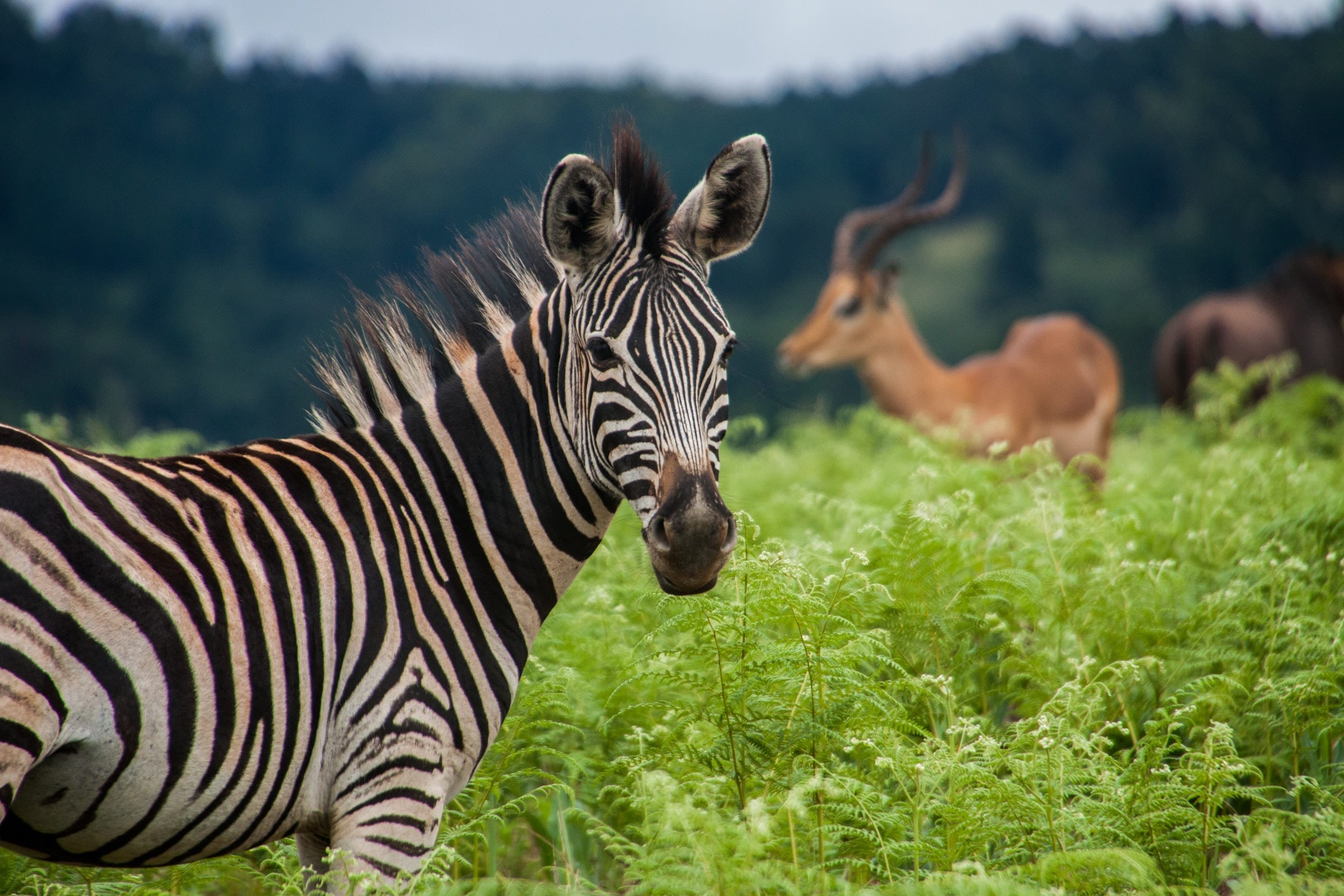
Eswatini, known as Swaziland until 2018, is a small kingdom in southern Africa with a king who rules with almost total power, colourful royal ceremonies and some of the oldest mining sites on Earth. Here are 12 spectacular facts about Eswatini.
Eswatini at a glance
Official name: Kingdom of Eswatini
Former name: Swaziland (until 2018)
Capitals: Mbabane (administrative) and Lobamba (royal and legislative)
Population: about 1.2 million
Area: 17,364 km² (6,704 square miles)
Languages: siSwati and English
Currency: lilangeni, tied to the South African rand
Independence: 6 September 1968, from Britain
1Swaziland became Eswatini in 2018.
King Mswati III announced the new name on 19 April 2018, during celebrations for the 50th anniversary of independence, which was also his 50th birthday. The king said the change would help people stop confusing his country with Switzerland, and it also moved away from a name that mixed siSwati and English.
2Eswatini means “land of the Swazis”.
The name comes from siSwati, the country’s main language, and many Swazis already called their country Eswatini before the official change.

3It is Africa’s last absolute monarchy.
King Mswati III has ruled since 1986, when he was crowned at the age of 18. He appoints the prime minister and the government, and political parties cannot take part in elections. The king’s title, Ngwenyama, means “lion”, and the queen mother is known as Ndlovukati, “she-elephant”.
4It has two capitals.
Mbabane is the administrative capital, where the government works. Lobamba, about 20 kilometres away, is the royal and legislative capital, home to the parliament and the royal village.
5It is the second-smallest country on mainland Africa.
Only The Gambia is smaller among Africa’s mainland countries. Eswatini covers about 17,364 square kilometres, a little smaller than Wales, and it is almost entirely surrounded by South Africa, with Mozambique to the east.
6It became independent from Britain in 1968.
Eswatini came under British control in 1903 and became independent on 6 September 1968. It is a member of the Commonwealth.

7Tens of thousands of girls take part in the Reed Dance.
Every year, in late August or early September, young women from across the country gather at Ludzidzini royal village for Umhlanga, the Reed Dance. They cut tall reeds and present them to the queen mother in a ceremony of singing and dancing.
8It is home to one of the oldest mines in the world.
At Ngwenya, near the border with South Africa, people dug for red and black iron ore to use as body paint and for rituals. Radiocarbon dating suggests mining here began more than 40,000 years ago, making it one of the oldest known mines on Earth.
9Its money is tied to South Africa’s.
The lilangeni (plural emalangeni) is worth exactly one South African rand, and rand notes and coins are accepted everywhere in Eswatini.
10Its mountains and valleys pack a lot into a small space.
The land drops from cool highlands in the west to hot lowveld in the east. The highest point is Emlembe, at 1,862 metres (6,109 feet), on the border with South Africa.

11It is a great place to see rhinos.
Parks such as Hlane Royal National Park and Mkhaya Game Reserve protect both white and black rhinos, while Mlilwane Wildlife Sanctuary, the country’s first protected area, is known for walking, cycling and horse-riding safaris.
12It has made huge progress against HIV.
Eswatini has the highest rate of HIV in the world, but it has also become one of the first countries to reach the United Nations’ 95-95-95 targets for testing, treatment and keeping the virus under control, a remarkable public health turnaround.
FAQs about Eswatini
Why did Swaziland change its name?
King Mswati III renamed the country Eswatini in April 2018, marking 50 years of independence. He said it would stop people confusing Swaziland with Switzerland, and Eswatini is the name in the country’s own language.
What is the capital of Eswatini?
It has two: Mbabane, the administrative capital, and Lobamba, the royal and legislative capital.
Who rules Eswatini?
King Mswati III, who has reigned since 1986. Eswatini is an absolute monarchy, the last in Africa.
What currency does Eswatini use?
The lilangeni, which is pegged one-to-one to the South African rand. The rand is also accepted.
Sources and further reading
Explore more: facts about South Africa.
Do you know any fun facts about Eswatini? Share them in the comments below!
Spotted something wrong? Suggest a correction
We check every suggestion and update articles when facts change. Thank you for helping keep facts.uk accurate.
Leave a Reply