It’s sometimes difficult to recognize a decreased appetite in cats. In fact, some cats naturally have selective eating habits, while others simply will not eat one time out of their usual routine. Nevertheless, an ongoing reduction in a cats hunger (referred to as anorexia) can develop into a severe health related situation. Unlike several species of animals, cats cannot fast for an extended amount of time and thus prolonged fasting may negatively impact the liver and or the cat’s metabolism. Identifying whether an apparent feeding concern requires early intervention is essential.
Normal Variations in Eating Behavior
An individual cat’s feeding issues will vary from time to time, and each cat has unique characteristics. Not every missed meal indicates a potentially serious problem. Cats may experience temporary reductions in their eating due to relatively benign factors, including environmental change, mild gastrointestinal upset or stress.
Examples of typical causes may be a change in diet, a new living arrangement or even a change in the frequency at which you feed your cat. Many times, after the causative factor(s) resolve themselves, the cat will resume its normal eating pattern. When evaluating if there is a legitimate concern regarding a cat’s appetite, typically, you would consider:
- Temporary reduction in food consumption for less than 24 hours
- The cat continues to show interest in either food or treats
- The cat appears to be acting normally and has no symptoms of illness, i.e., vomiting or diarrhea
- There is no noticeable decline in the cats weight
When Reduced Appetite Becomes Concerning
If a cat stops eating altogether for longer than 24 to 48 hours and demonstrates additional behaviors such as decreased water intake, then this represents a legitimate concern. Other, more alarming examples of abnormal behaviors include:
- A cat refusing to consume any food for longer than 1-day
- A gradual decrease in food consumption
- A disinterest in what were previously considered to be the cat’s “favorite” foods
- A rapid weight loss
Unlike dogs, cats have difficulty surviving extended periods of time without consuming adequate amounts of food. The cat’s metabolism shifts significantly as soon as their caloric intake decreases.
Why is Anorexia Dangerous in Cats?
As mentioned above, perhaps the biggest threat related to protracted anorexia is something referred to as hepatic lipidosis (or fatty liver disease). Hepatic lipidosis occurs when the body mobilizes large amounts of fat during prolonged fasting and the liver becomes overwhelmed by fat processing, leading to fat accumulation and liver dysfunction.
Because of the high volume of fat entering the liver via blood vessels from broken-down fats stored throughout the cat’s body, the liver is unable to process toxins appropriately. Consequently, the cat suffers damage to its liver.
Fatty liver disease develops very quickly in overweight cats. The primary risks associated with protracted anorexia include
- Cumulative deposits of fat in the liver
- Liver dysfunction and toxin removal capabilities diminished
- Significant metabolic disturbance
- A marked and quick decline in general health
Common Causes of Appetite Loss
Many illnesses and conditions cause loss of appetite. The most effective treatments will address the cause(s) of the problem, not just the symptoms.
Causes of Reduced Appetite Include:
Gastrointestinal Issues
Obstruction, inflammation or infection in the stomach or intestines makes eating painful. When these areas become inflamed or infected, they also lose their ability to function properly. Cats with gastrointestinal issues may find it uncomfortable to eat.
Dental Disease
Suffering from a toothache or gum disease can be very discouraging. Cats may still attempt to eat, but they may leave their food immediately after taking one bite. Hard foods may be avoided altogether.
Systemic Illnesses
Kidney failure, liver disease and pancreatic insufficiency all have decreased appetite associated with them. Each of these diseases reduces the efficiency of nutrient absorption by the body.
Fever and Infection
Fever is a natural response to infection. All systems of the body are diverted to fight off infection, which means your cat’s hunger pangs will disappear.
Stress and Environmental Changes
Cats thrive on routine. Any disruption to routine can result in stress, which can suppress appetite. The length of time appetite suppression continues will depend on how long the stress remains present.
Pain or Injury
If your cat has developed some form of pain or injury anywhere within his body, he will be reluctant to eat because eating becomes an unpleasant experience. These types of injuries do not need to be digestive-related; they can occur anywhere in the body.
Warning Signs That Should Not Be Ignored
Reduced appetite does not normally occur in isolation. Other signs are often seen alongside it. These signs may include
- Lack of energy
- Hidden more than usual
- Changes in grooming habits
- Salivating more than normal or having trouble swallowing or chewing
- Nausea vomiting
- Yellowish discoloration around eyes or gums indicating liver disease in severe cases
Why Timing Matters
Timing is important because nutritional deficiencies can happen quickly in cats. Even brief periods of not eating can affect a cat’s metabolism. Overweight cats tend to develop rapid metabolic changes due to the way their bodies utilize stored fat reserves.
The longer your cat goes without adequate food intake, the tougher it will become to restore normal metabolism. Therefore, early recognition of anorexia is extremely important.
How Evaluation is Typically Done
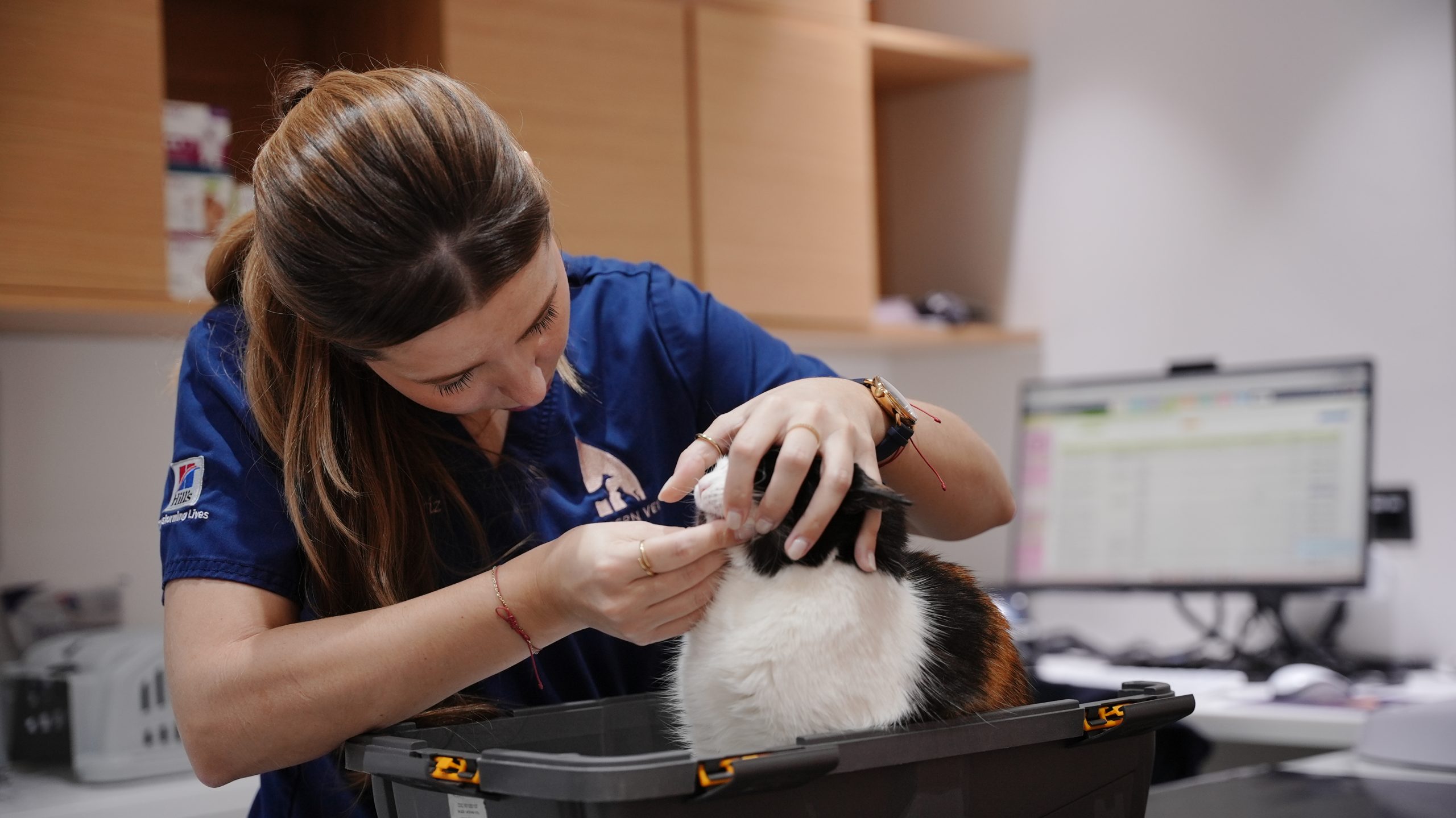
Once you notice a persistent lack of interest in food, A complete assessment will likely be necessary. Typically begins with a comprehensive medical history of your cat, including recent changes in food consumption, dietary pattern, environment and overall behavior.
A physical examination may reveal dehydration, pain, and abdominal distress. Additional diagnostic testing (such as blood work, imaging, and urinalysis) may be recommended based on results obtained during physical examination to determine the presence of chronic organ dysfunction or active infection.
If your cat has stopped eating or is showing other concerning symptoms, arranging an examination at a Vet Clinic can help identify the underlying cause and determine whether further diagnostic testing or treatment is needed.
Supporting a Cat With a Reduced Appetite
Treatment For Anorexia Depends Entirely On What Caused It. Mild cases caused by stress or minor illness may resolve once the root cause is resolved. Cases that are more severe will require nutritional support treatment for the primary cause to help prevent serious complications.
Monitoring food consumption regularly during episodes of reduced appetite will allow you to track progress. Small increases in consumption can indicate that your cat is recovering. Continued reluctance to consume food may require additional monitoring.
Loss of appetite should never be ignored if it persists beyond a few days. Although the occasional missed meal is unlikely to harm your cat, prolonged anorexia may signify the presence of illness and poses a serious threat of developing serious liver problems. Recognizing changes in eating behavior at an early stage and being aware of the implications of those behaviors ensures that health problems receive timely treatment prior to becoming more serious.
Spotted something wrong? Suggest a correction
We check every suggestion and update articles when facts change. Thank you for helping keep facts.uk accurate.