
Rationing is a system that limits how much of something each person can buy, so that scarce goods are shared out fairly. In Britain it shaped daily life for 14 years, from the early months of the Second World War until 1954. Here are 17 facts about rationing.
1Food rationing in Britain began on 8 January 1940.
The first foods to be rationed were bacon, butter and sugar. Meat, tea, eggs, sweets and many other foods were added over the following months and years.
2Petrol was rationed even before food.
Petrol rationing started in 1939, soon after the war began. By the end of the war, clothing, soap, paper and most everyday foods were rationed too.
3Britain imported almost two-thirds of its food before the war.
In the 1930s the country brought in around 22 million tons of food a year by sea. German submarines, known as U-boats, attacked the ships carrying it, and during the war food imports fell to about half that amount.
4Everyone had a ration book, including babies and children.
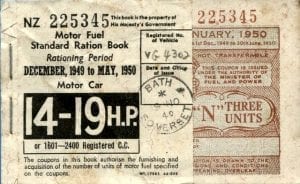
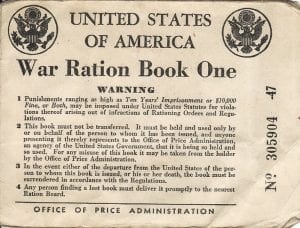
Each household had to register with a local butcher, grocer and milkman. To buy rationed food, shoppers handed over coupons from their ration book as well as paying for it.
5A weekly ration was surprisingly small.
A typical adult allowance included about 113g (4oz) of bacon and ham, 57g (2oz) of cheese, 57g (2oz) of butter, 57g (2oz) of tea and 227g (8oz) of sugar. Amounts went up and down during the war depending on supplies.
6Tinned food was bought with points.
From December 1941 a points system covered foods such as tinned meat, fish and fruit. Each person had 16 points a month to spend however they liked, which gave shoppers some choice.
7Clothes were rationed from June 1941.
Clothes rationing began on 1 June 1941. Every adult was given 66 coupons to last a year, and the number was cut later in the war.
8Bananas disappeared from the shops.
Because bananas had to be shipped in, they were not available at all during the war. Many children had never seen a banana, an orange or a pineapple until the war was over.
9Whale meat was “off ration”.
Some foods could be bought without coupons. Whale meat was one of them, but it was not popular with British shoppers.
10Children and pregnant women were given extra.
Ration books were issued according to age and need. Children received extra milk, orange juice and cod liver oil, and pregnant women were often allowed larger rations.
11“Dig for Victory” turned gardens into vegetable plots.
The Dig for Victory campaign, launched in 1939, encouraged people to grow their own fruit and vegetables. Cartoon characters called Potato Pete and Doctor Carrot were created to make vegetables more appealing.
12Woolton pie was named after the Minister of Food.
Lord Woolton ran the Ministry of Food during the war. The pie named after him was a pastry dish filled with vegetables, which were not rationed.
13Cheating the system could mean a fine or prison.
Some people bought or sold goods illegally on the “black market”. Anyone caught breaking the rationing rules could be fined or sent to prison.
14Many people ate a healthier diet under rationing.
People who had been poor and underfed before the war were often better fed during it. By the end of the war infant death rates were the lowest on record, and children were on average taller than before.
15Bread was only rationed after the war ended.
Bread was not rationed during the fighting, but poor harvests and wheat shortages led to bread rationing from July 1946. It lasted until 1948.
16Sweets and sugar came off ration in 1953.
Children had to wait until 1953, eight years after the war ended, before sweets were freely available again. Sugar followed later the same year.
17Rationing finally ended in July 1954.
All food rationing ended at midnight on 3 July 1954, and meat was the last food to be freed. To celebrate, a minister burned his ration book at a ceremony in Trafalgar Square, London.
FAQs about rationing
When did rationing start and end in Britain?
Food rationing started on 8 January 1940 and ended on 4 July 1954, when meat came off ration. Petrol had been rationed since 1939.
What foods were not rationed?
Bread was not rationed during the war, though it was from 1946 to 1948. Some other foods, such as whale meat and home-grown vegetables, could also be had without coupons.
Why did rationing continue after the war?
Food was still scarce after 1945. Bad weather, poor harvests and the cost of rebuilding Britain and Europe meant supplies took years to recover.
Sources and further reading
- Museum Wales: Food Rationing during the Second World War
- Bodleian Libraries: On this day in 1954, food rationing ends after 14 years
- National Geographic: The radical wartime diet that saved Britain in World War II
- Hansard: Bread Rationing, 17 July 1946
Explore more: facts about WW2, facts about Winston Churchill and facts about sugar.
Do you know any fun facts about rationing? Share them in the comments below!
Spotted something wrong? Suggest a correction
We check every suggestion and update articles when facts change. Thank you for helping keep facts.uk accurate.

Leave a Reply