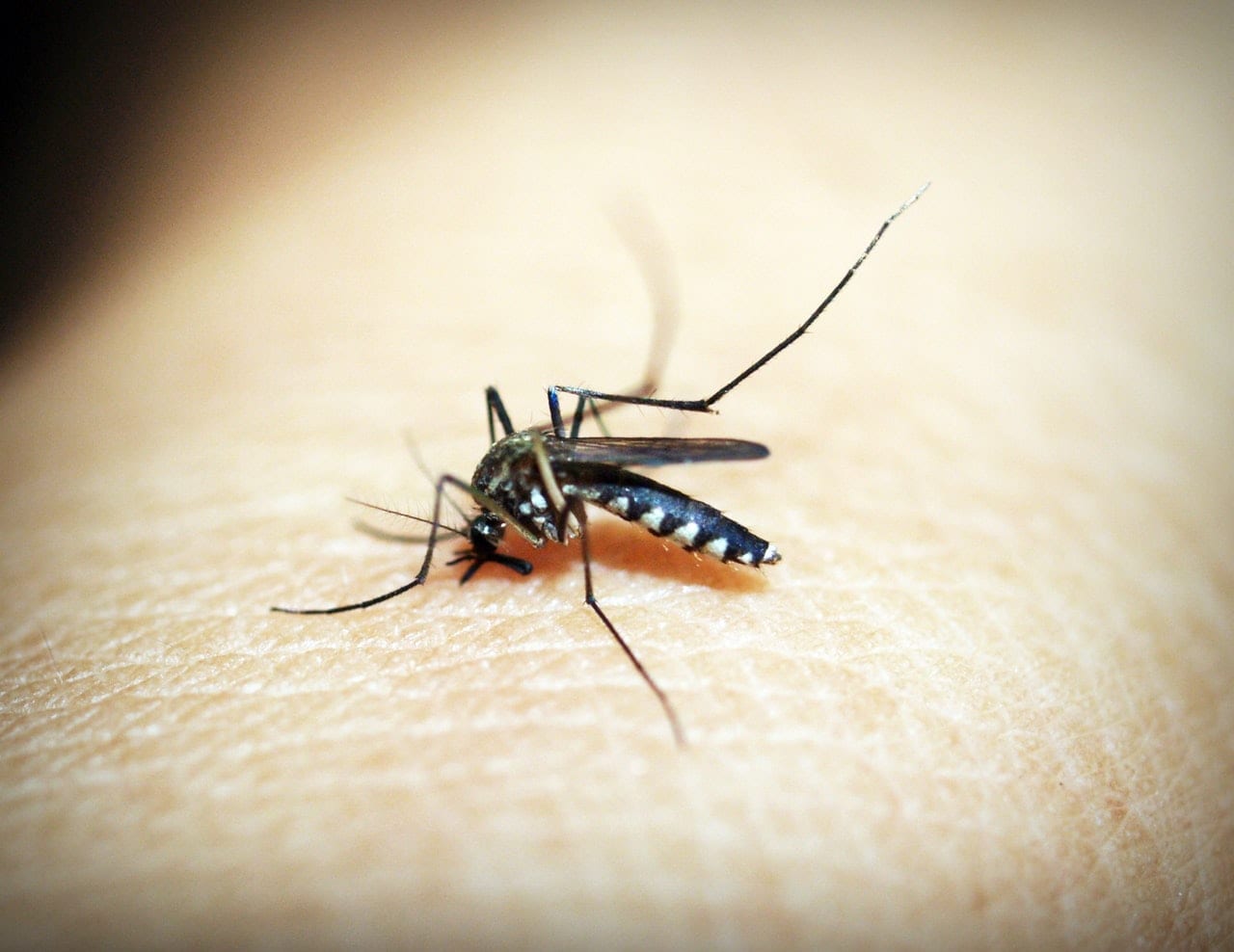
This article is general information, not medical advice. If you are travelling to a country where malaria is found, speak to a GP, pharmacist or travel clinic before you go.
Malaria is a serious and sometimes fatal disease caused by tiny parasites that are spread by mosquito bites. It has shaped human history for thousands of years and is still one of the world’s deadliest diseases, especially for young children in Africa. Here are 14 facts about malaria.
1It is caused by a parasite, not a virus.
Malaria is caused by single-celled parasites called Plasmodium. Five species infect people. Plasmodium falciparum is the most dangerous and causes most deaths.
2Only female mosquitoes spread it.
Malaria is passed on by female Anopheles mosquitoes, which need a meal of blood to produce their eggs. Male mosquitoes feed on nectar and plant juices and do not bite.

3Hundreds of millions of people catch it every year.
According to the WHO’s World Malaria Report 2025, there were an estimated 282 million cases of malaria and 610,000 deaths worldwide in 2024.
4Africa carries by far the heaviest burden.
Around 94% of malaria cases and 95% of malaria deaths happen in the WHO’s African Region, and most of those who die are children under the age of five.
5Its name means “bad air”.
The word comes from the Italian mal’aria, because people once believed the disease was caused by foul air rising from swamps and marshes. In a way they were half right: those wet places are where mosquitoes breed.
6Malaria was once common in England.
A form of malaria known as “ague” was widespread in the marshes of Kent, Essex and the Fens for centuries. It died out in Britain in the 20th century as marshes were drained and living conditions improved.
7A British army doctor proved mosquitoes were to blame.
In 1897 Ronald Ross, working in India, showed that mosquitoes carry the malaria parasite. He won the 1902 Nobel Prize in Physiology or Medicine. The parasite itself had been discovered by the French army doctor Alphonse Laveran in 1880.

8Tonic water was once a malaria medicine.
Quinine, from the bark of the South American cinchona tree, was the main malaria treatment for centuries. British officials in India mixed it with soda water and sugar to make it easier to drink, and added gin, giving us the gin and tonic. Modern tonic water contains far too little quinine to protect anyone.
9A Chinese scientist found a cure in an ancient text.
In the 1970s Tu Youyou and her team discovered artemisinin, from sweet wormwood, after studying traditional Chinese remedies. Artemisinin-based drugs are now the main treatment for malaria, and she won the Nobel Prize in 2015.
10Symptoms can take weeks, or even months, to appear.
Symptoms usually start within 7 to 18 days of being bitten, but some types of malaria can lie dormant in the liver and cause illness up to a year later. The NHS advises seeing a doctor urgently if you get a fever after visiting a malaria area, even months after returning.
11It is not caught from other people.
Malaria does not spread from person to person like a cold. However, it can be passed on through blood transfusions, shared needles, and from a mother to her baby during pregnancy.
12Bed nets save lives.
Sleeping under an insecticide-treated bed net is one of the cheapest and most effective ways to prevent malaria, because the Anopheles mosquitoes that spread it mostly bite at night.

13There are now two malaria vaccines.
The WHO recommended the first malaria vaccine, RTS,S (Mosquirix), for children in 2021, and a second, R21/Matrix-M, in 2023. Both are now being given to young children in a growing number of African countries.
14Dozens of countries have beaten it.
According to the WHO, 47 countries and one territory have now been certified malaria-free. Recent additions include China, El Salvador, Cabo Verde and Egypt.
FAQs about malaria
Is malaria a virus or a bacteria?
Neither. Malaria is caused by a parasite called Plasmodium, which is spread by the bites of infected mosquitoes.
Can malaria be cured?
Yes. Malaria can be treated and cured with medicine, especially if it is diagnosed early. Without treatment, the most serious type can be fatal within days.
Can you get malaria in the UK?
Not from mosquitoes in the UK, but travellers bring it back from abroad. That is why anyone visiting a malaria area is advised to get advice about antimalarial tablets and to avoid bites.
Sources and further reading
Explore more: facts about the Ebola virus and facts about antibiotics.
Do you know any fun facts about malaria? Share them in the comments below!
Spotted something wrong? Suggest a correction
We check every suggestion and update articles when facts change. Thank you for helping keep facts.uk accurate.


Leave a Reply