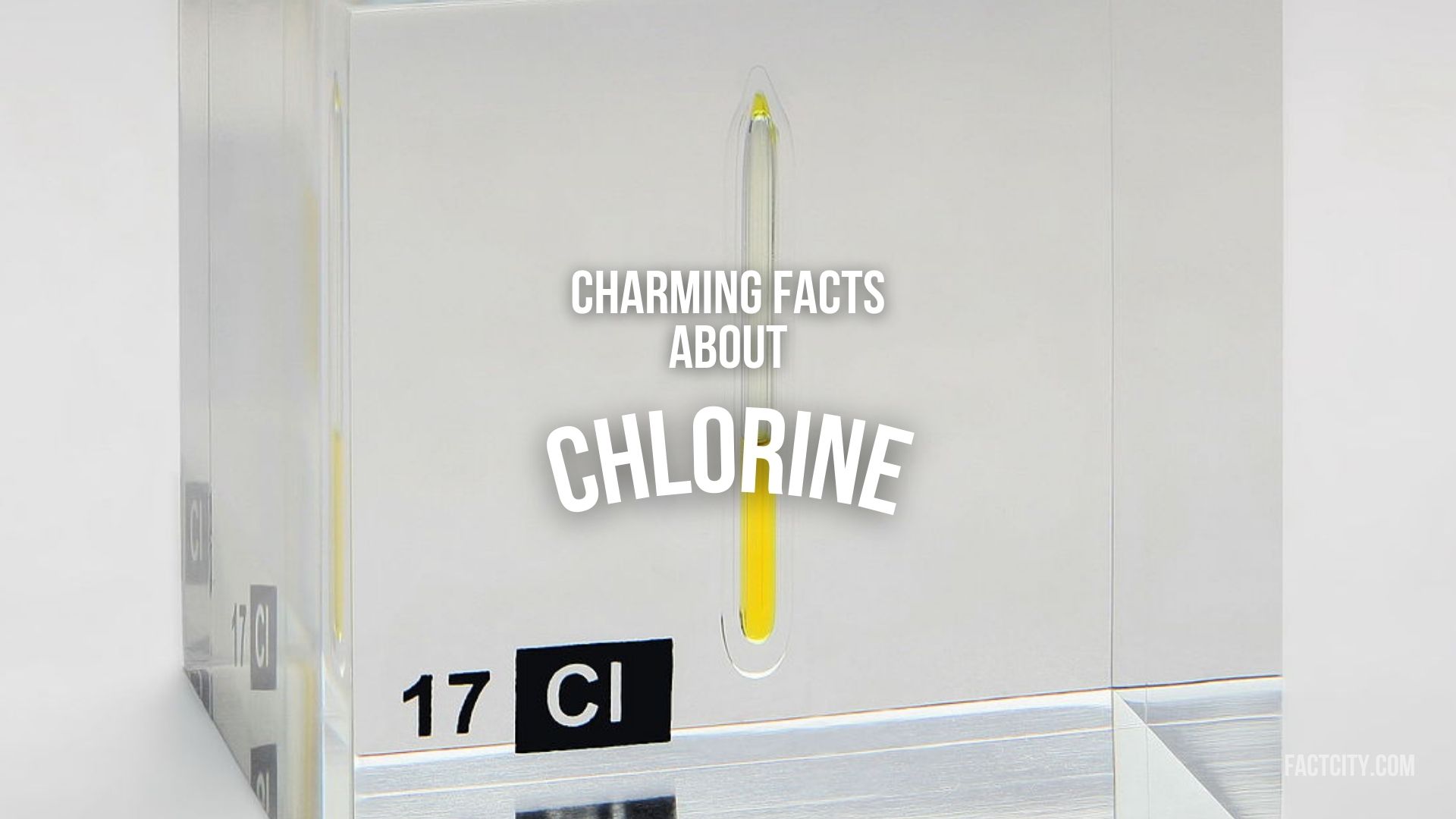
Chlorine is the element that keeps swimming pools and tap water clean, but it is also a poisonous gas with a dark history. It is in the salt on your table and the acid in your stomach. Here are 12 facts about chlorine.
1Its symbol is Cl and its atomic number is 17.
Chlorine is a halogen, in the same group of the periodic table as fluorine, bromine and iodine. Halogens react easily, so chlorine is almost never found on its own in nature.
2Its name means “pale green”.
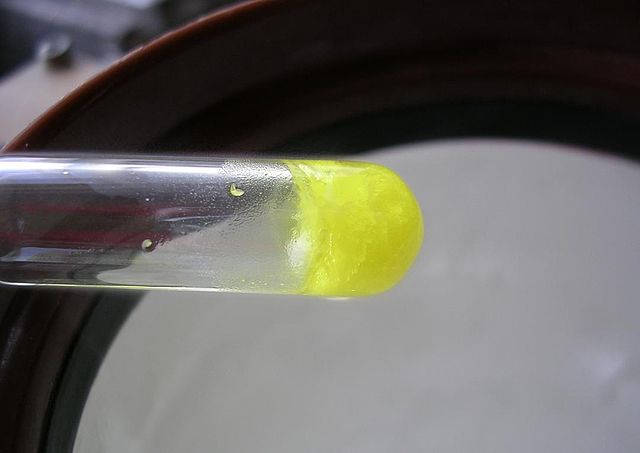
Chlorine is a yellow-green gas at room temperature. In 1810, the English chemist Humphry Davy proved it was an element and named it after the Greek word chloros, meaning pale green.
3It was first made in 1774.
The Swedish chemist Carl Wilhelm Scheele made chlorine gas by mixing hydrochloric acid with a mineral containing manganese. He thought it was a compound containing oxygen, and it took Davy to show otherwise.
4It is half of table salt.
Table salt, sodium chloride, is made of chlorine and sodium. On their own, one is a poisonous gas and the other is a soft metal that fizzes violently in water, but together they make something we sprinkle on our chips.
5The sea is full of it.
Chloride, the form chlorine takes in salt, makes up more than half of all the salt dissolved in seawater.
6Your stomach makes hydrochloric acid.
The lining of your stomach produces hydrochloric acid, which helps to digest food and kill germs. Chloride is also one of the salts your body needs to keep its fluids in balance.
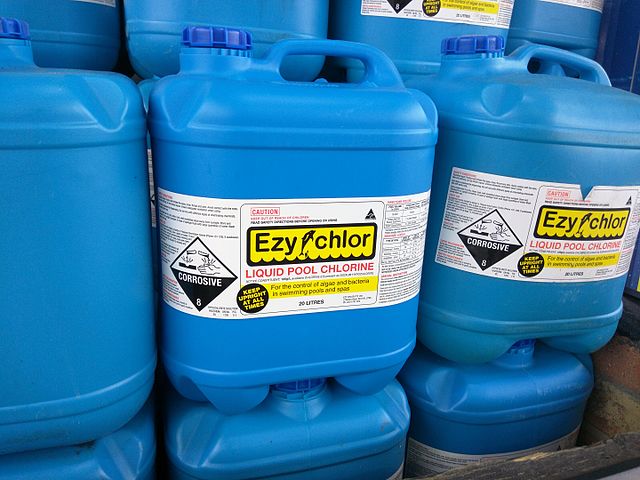
7It made drinking water safe.
Adding small amounts of chlorine to drinking water kills the germs that cause diseases such as typhoid and cholera. Lincoln began treating its water with chlorine in 1905, after a typhoid outbreak, and the practice spread around the world.
8The swimming pool smell is not chlorine.
The strong “chlorine” smell at a pool comes from chloramines, which form when chlorine reacts with sweat, urine and dirt from swimmers. A very strong smell is a sign that the water needs more cleaning, not that it has too much chlorine.
9It was the first poison gas of the First World War.
On 22 April 1915, near Ypres in Belgium, the German army released clouds of chlorine gas towards French and Algerian troops. It was the first large-scale use of poison gas in war.
10It is in PVC.
A large share of the world’s chlorine is used to make polyvinyl chloride (PVC), a plastic used for water pipes, window frames, cable coverings and vinyl records.
11Chlorine compounds damaged the ozone layer.
Chemicals called CFCs, once used in fridges and aerosol sprays, released chlorine high in the atmosphere, where it destroyed ozone. After the Montreal Protocol of 1987 phased them out, the ozone layer has begun to recover.
12Never mix bleach with other cleaners.
Household bleach is a solution of sodium hypochlorite, a chlorine compound. Mixing it with acidic cleaners can release chlorine gas, and mixing it with ammonia-based cleaners releases toxic chloramine gases.
FAQs about chlorine
Is chlorine dangerous?
Chlorine gas is poisonous and can damage the eyes, throat and lungs. The small amounts used to treat drinking water and swimming pools are safe.
Is bleach the same as chlorine?
No. Household bleach is a weak solution of sodium hypochlorite, a compound that contains chlorine. It is not chlorine gas, but it can release it if mixed with the wrong cleaners.
Why is chlorine added to water?
To kill bacteria and viruses that could make people ill. It keeps working as the water travels through the pipes to your tap.
Sources and further reading
Explore more: facts about oxygen.
Do you know any fun facts about chlorine? Share them in the comments below!
Spotted something wrong? Suggest a correction
We check every suggestion and update articles when facts change. Thank you for helping keep facts.uk accurate.

Leave a Reply