
Bacteria is just about everywhere – it’s a fact of life that we all have to live with! These microscopic, single-celled life forms can be helpful as well as hindrances to our lives – meaning that while you’ll likely get rid of plenty of nasty bacteria by washing your hands, your body actually needs the healthy kind to keep running from day to day. The bacterial study is actually really fascinating – so keep reading the following fun facts about bacteria for full insight.
1Antoine Van Leeuwenhoek’s discovery in 1674 affects us all today!
By discovering the existence of bacteria by using an early microscope, mankind today is both safer and more dangerous! Leeuwenhoek was studying scraped cells from a human mouth.
2The good, the bad, and the ugly.
Life-changing antibiotics have been developed to prevent and treat bad bacterial infections! However, it’s thought that antibiotics will only last for so long, as bacteria can evolve and adapt to treatments.
3Bacterial illness is actually pretty rare.
Scientists have calculated that globally, only 1% of known bacteria make people ill.
4Bacteria have been with us for a very long time.
Studies have proved that bacteria have existed on earth for approximately 3.5 billion years!
5We actually rely on bacteria for a lot of good.
Human bodies use the services of good bacteria every day in digestive processing. Also, when bad bacteria invade our body, good bacteria seek them out and destroy them!
6They tend to have four different forms.
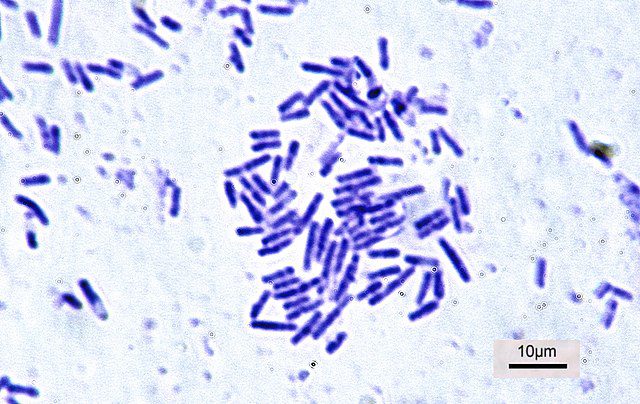
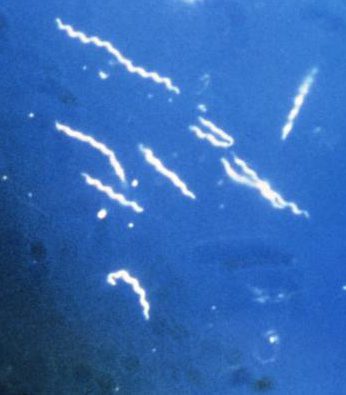
Bacteria cells come in four different shapes.They are Cocci (spherical), Vibrio (comma), Spirilla (spiral), and Bacilli (rod).
7However, bacteria do generally adhere to similar patterns.
Bacteria cells have a number of characteristics. These include a plasma cell membrane covering each cell. They contain ribosomes, which facilitate protein activity, and they contain a fluid called cytoplasm. They move by flicking a protruding flagellum, which propels them.
8Bacteria consist of unique DNA, much like us.
The DNA in bacteria cells is contained in a circular strand, and the nucleoid contains the chromosome.
9However, bacteria cells lack an often key cell ingredient.
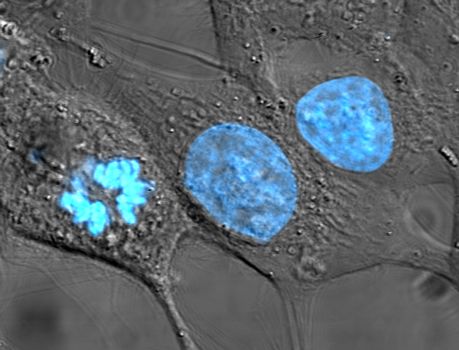
Bacteria cells have no nucleus!
10Bacteria, when bad, can be really awful.
‘Bad’ bacteria can cause all kinds of diseases and illnesses. These include bacterial meningitis, Lyme disease, tetanus, diphtheria, cholera, gonorrhea, and syphilis. Bacterial infections can really vary in terms of harm, which is why practicing good hygiene always makes a difference.
11There are plenty of ways to protect against bacteria.
Bacterial infections occur when bacteria have been able to enter the body. This can be via the digestive system, skin, or airways. In any case, again – it pays to be as hygienic and as protective as possible!
12You’ll find bacteria all over the place.
Bacteria can be found in all sorts of places. They can thrive in food, milk, dust, sewage, and water. They can never be seen by the naked eye but often, evidence of their activity can be detected in the form of smells!
13Bacterial warfare is very real indeed.
Bacteria can even be used as weaponry. Bacterial or germ warfare is a phenomenon that has been rolling on for decades, perhaps most famously in recent times through the use of anthrax. There was a genuine spell of concern where many people were receiving ‘anthrax bombs’ in the mail – and it is still a potential threat to this day.
FAQs about Bacteria
Which food is likely to contain a lot of ‘good’ bacteria?
There are plenty of foods, such as yoghurt, pickles, and sauerkraut, which all contain live cultures of ‘good’ bacteria that can help keep our bodies healthy – and primed against any potential attacks from ‘bad’ bacteria. You need to look for food listed as being probiotic.
How should I top up on good bacteria?
Good bacteria can be encouraged in your system by consuming probiotics, reducing unnecessary fat, and by increasing your fibre intake.
Are bacteria generally bad for you?
Not always. In fact, it’s believed that around 99% of all bacteria we come into contact with isn’t actually harmful – on top of that, it’s everywhere!
Do you know any fun facts about bacteria? Share them in the comments below!
Spotted something wrong? Suggest a correction
We check every suggestion and update articles when facts change. Thank you for helping keep facts.uk accurate.


Leave a Reply