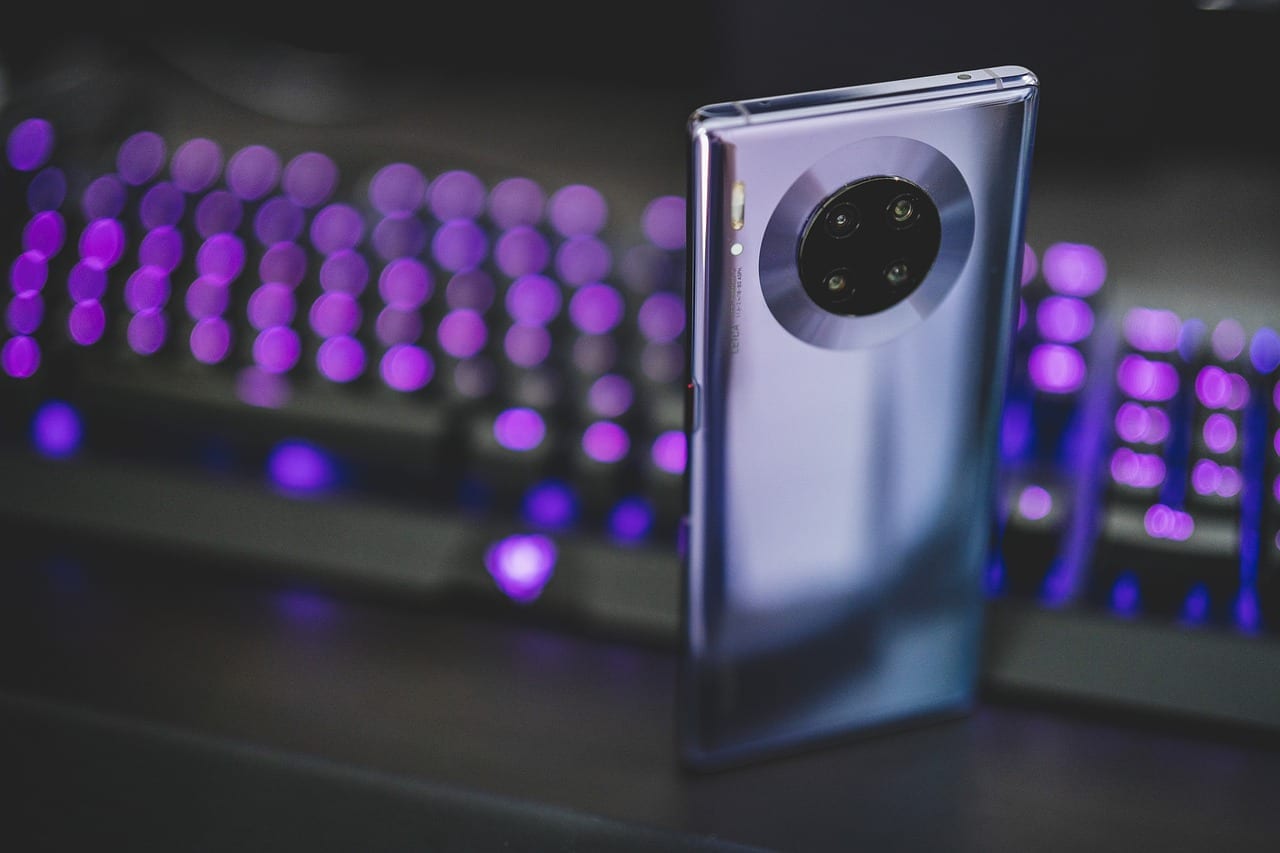
5G is the fifth generation of mobile network technology. It promises faster downloads, quicker response times and the capacity to connect far more devices at once than 4G. It is also one of the most misunderstood technologies of recent years. Here are 12 facts about 5G.

1A new generation arrives roughly every decade.
1G brought the first analogue mobile phones in the 1980s. 2G, launched in Finland in 1991, added digital calls and text messages. 3G arrived in 2001, 4G in 2009 and 5G in 2019.
2South Korea launched 5G first.
On 3 April 2019, South Korea’s mobile networks switched on the world’s first nationwide 5G services, just hours ahead of Verizon’s launch in Chicago and Minneapolis.
3The UK got 5G in May 2019.
EE launched the UK’s first 5G network on 30 May 2019, in London, Cardiff, Edinburgh, Belfast, Birmingham and Manchester. Vodafone, Three and O2 followed later that year.
4It can be much faster than 4G.
The 5G standard allows peak download speeds of up to 20 gigabits per second, although real-world speeds are usually a few hundred megabits per second, still several times faster than typical 4G.
5Its biggest advantage is speed of response.
Latency, the delay before data starts to flow, can fall to just a few milliseconds on 5G, compared with tens of milliseconds on 4G. That matters for things like online gaming, video calls and, in future, remote-controlled machines.
6It uses three kinds of radio waves.
Low frequencies travel furthest and pass through buildings well. Mid-band frequencies, the main 5G bands in the UK, balance speed and range. Very high “millimetre wave” frequencies are extremely fast but travel only short distances and can be blocked by walls, trees and even rain.
7Early 5G relied on 4G.
Most early 5G networks were “non-standalone”, using 5G radio masts connected to existing 4G core networks. UK operators have since begun switching on “standalone” 5G, which uses a fully 5G core and unlocks lower latency.
8More than 3 billion people now use it.
According to Ericsson’s Mobility Report, published in June 2026, 5G subscriptions worldwide have passed 3 billion, making it the fastest-adopted mobile generation yet.

9The UK banned Huawei from its 5G networks.
In July 2020 the UK government banned mobile networks from buying new Huawei 5G equipment from the end of that year and ordered all Huawei kit to be removed from 5G networks by the end of 2027, on security grounds.
105G did not spread COVID-19.
False claims linking 5G to the coronavirus led to dozens of mobile masts being set on fire in the UK in 2020. Viruses cannot travel on radio waves, and COVID-19 spread rapidly in countries with no 5G network at all.
11There is no evidence that 5G harms health.
5G uses non-ionising radio waves, which do not have enough energy to damage cells or DNA. The UK Health Security Agency says exposure from 5G is expected to be a small fraction of international safety guidelines.
12The UK has switched off 3G to make room.
All the UK’s major networks switched off their 3G services between 2023 and 2025, reusing the radio spectrum for faster 4G and 5G. Work on 6G is already under way, with the first networks expected around 2030.
FAQs about 5G
What does 5G stand for?
Fifth generation, meaning the fifth generation of mobile network technology.
Is 5G safe?
Health agencies including the UK Health Security Agency and the World Health Organization have found no evidence that 5G harms health when exposure is within international guidelines, which it is in public areas.
Do I need a new phone for 5G?
Yes. You need a 5G-compatible phone and a plan that includes 5G. Most phones sold in the UK in recent years support it.
Sources and further reading
Explore more: facts about radio waves.
Do you know any fun facts about 5G? Share them in the comments below!
Spotted something wrong? Suggest a correction
We check every suggestion and update articles when facts change. Thank you for helping keep facts.uk accurate.



Leave a Reply