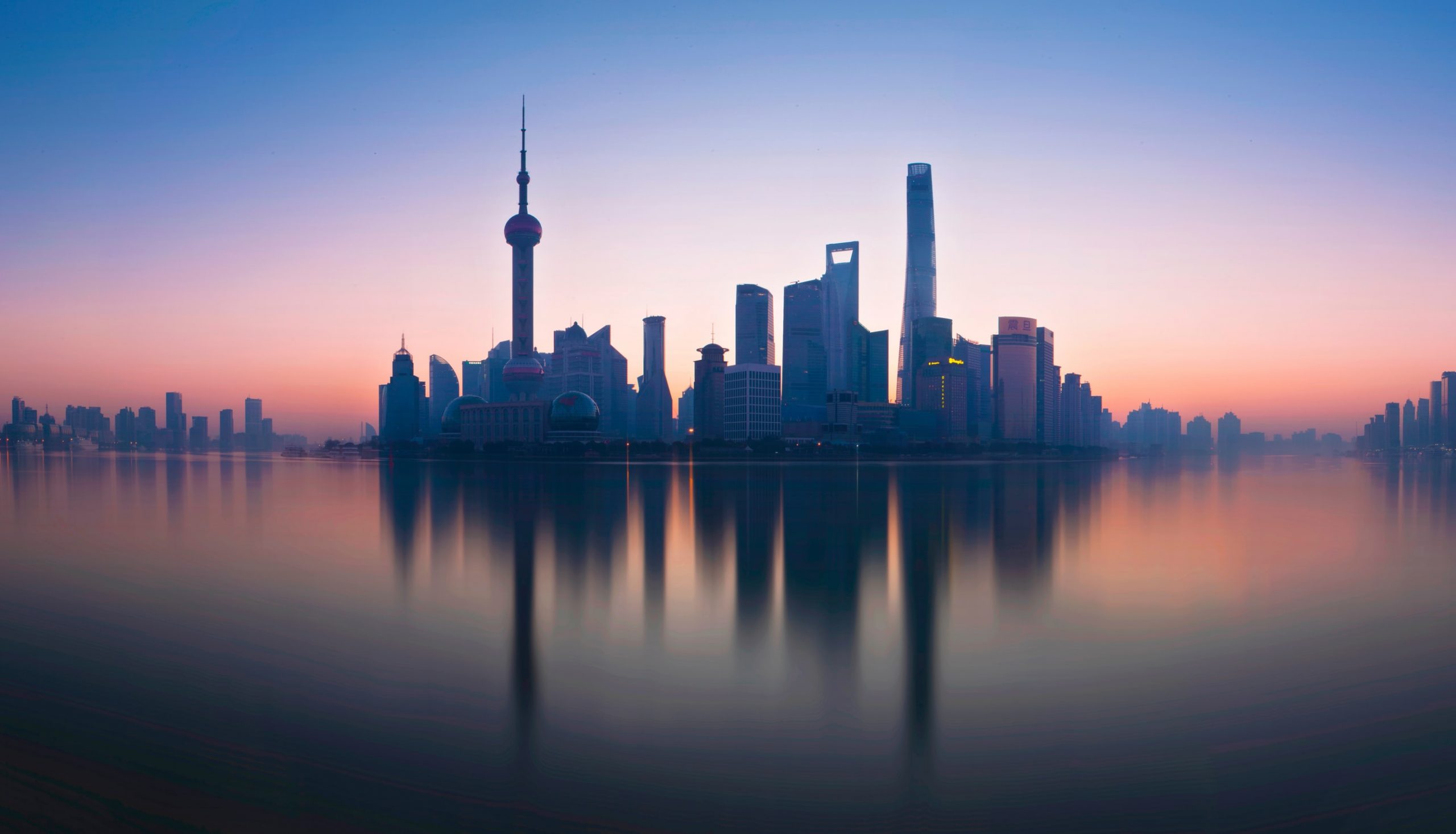
Shanghai is China’s biggest city, home to the world’s busiest container port, its third-tallest skyscraper and one of its longest metro systems, yet less than 200 years ago it was a modest market town on a muddy river. Here are 15 facts about Shanghai, from what its name means to the park where parents go to find partners for their children.
Shanghai at a glance
Where: on China’s east coast, where the Yangtze River meets the East China Sea
Population: about 25 million
Name means: “upon the sea”
Known for: the Bund, the Pudong skyline, soup dumplings and the Shanghai Tower
Time zone: China Standard Time (GMT+8)
1Its name means “upon the sea”.
Shanghai is written with two characters, 上 (shàng), meaning “up” or “upon”, and 海 (hǎi), meaning “sea”. The city sits on the Huangpu River, close to where the Yangtze flows into the East China Sea, and the sea has shaped its fortunes for centuries.
2It is China’s largest city.
About 25 million people live in Shanghai, more than in any other Chinese city and roughly three times the population of London. It is one of China’s four municipalities that report directly to the national government rather than to a province.
3It was opened to foreign trade after the First Opium War.
The Treaty of Nanking, signed by Britain and China in 1842 to end the First Opium War, forced China to open five “treaty ports” to British trade, and Shanghai was one of them. Britain, France and the United States soon set up their own districts, the International Settlement and the French Concession, where foreigners lived under their own laws until the 1940s.
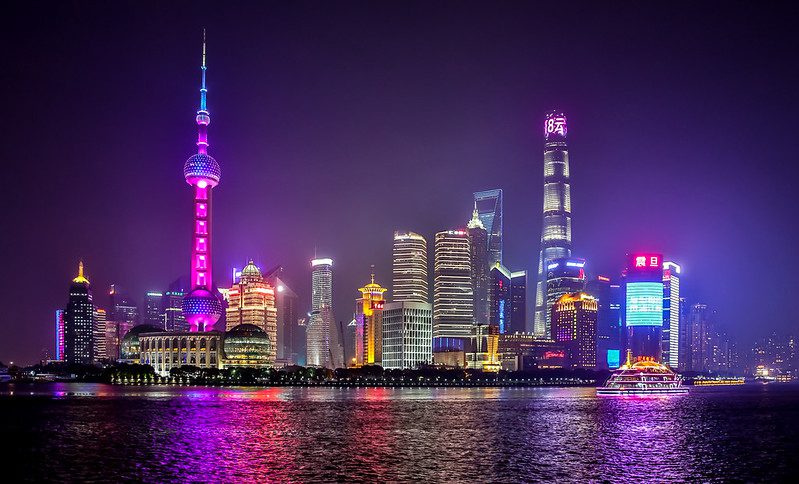
4The Bund is a mile of colonial-era banks.
The Bund, the riverside promenade on the Huangpu’s west bank, is lined with grand stone buildings put up by foreign banks and trading houses in the early 20th century. Across the river is Pudong, which was mostly farmland in 1990 and is now one of the most famous skylines in the world.
5The Shanghai Tower is the tallest building in China.
Completed in 2015, the Shanghai Tower rises 632 metres, making it the tallest building in China and the third tallest in the world. Its twisting shape reduces the force of typhoon winds, and its lifts are among the fastest ever built.
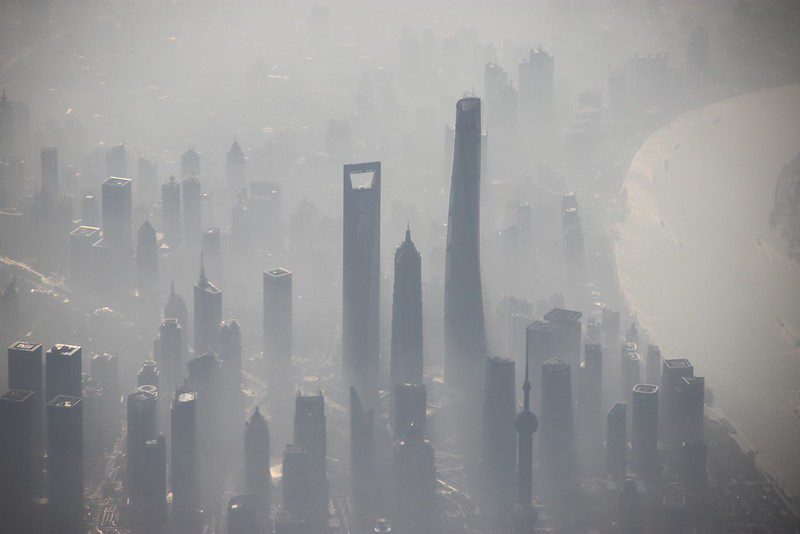
6It has one of the longest metro systems on Earth.
The first Shanghai Metro line opened in 1993. Today the network runs for more than 800 km, making it one of the two longest in the world alongside Beijing’s, and it carries around 10 million passengers on a busy day.
7A maglev train links the airport to the city.
The Shanghai Maglev, which floats above its track using magnets, opened in 2004 and was the world’s first commercial high-speed maglev. It covers the 30 km from Pudong Airport to the edge of the city in about eight minutes.
8It has the world’s busiest container port.
The Port of Shanghai has been the busiest container port in the world every year since 2010, handling the equivalent of more than 49 million standard 20-foot containers in 2023. Much of it is on Yangshan, a deep-water port built on islands out at sea and linked to the mainland by a 32 km bridge.
9Soup dumplings were born here.
Xiaolongbao, the delicate steamed dumplings filled with pork and a mouthful of hot broth, are said to have been invented in the Shanghai town of Nanxiang in the 19th century. The trick is a jellied stock that melts as they steam.
10Some locals still speak Shanghainese.
The official language is Mandarin, but many older residents speak Shanghainese, a variety of Wu Chinese that most Mandarin speakers can’t understand. It has no standard written form, and fewer young people now grow up speaking it.
11Parents go “shopping” for partners in People’s Park.
Every weekend, the Shanghai Marriage Market fills a corner of People’s Park with parents and grandparents advertising their unmarried children on sheets of paper listing age, height, job and salary, hoping to find a good match.
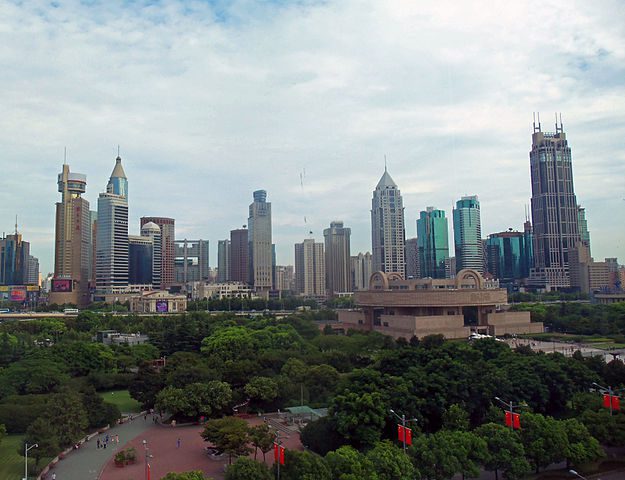
12It has a Disney resort.
Shanghai Disneyland opened in 2016 as mainland China’s first Disney resort. Its Enchanted Storybook Castle is the tallest of any Disney park in the world.
13Its old water towns are still standing.
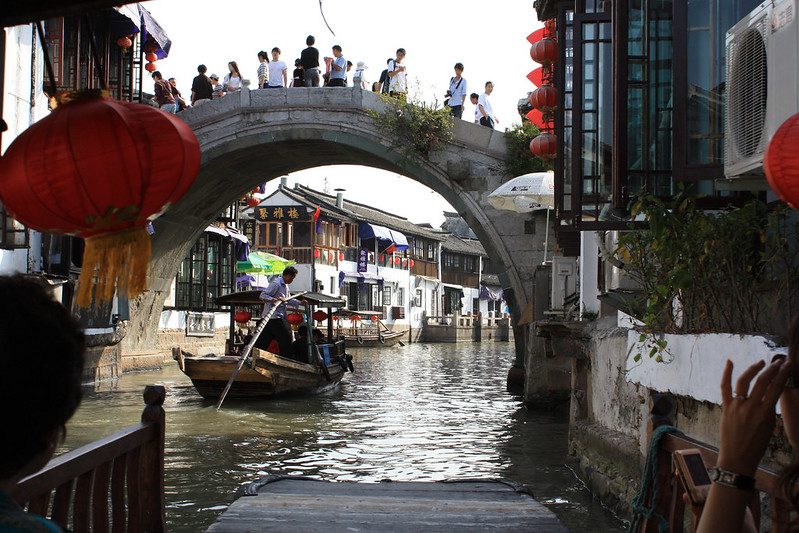
On the city’s outskirts are canal towns such as Zhujiajiao, with stone bridges, narrow lanes and wooden houses dating back hundreds of years, a reminder of the area before skyscrapers.
14It was nicknamed “the Paris of the East”.
In the 1920s and 1930s, Shanghai was one of the most cosmopolitan cities in the world, famous for jazz clubs, Art Deco buildings and a mix of Chinese, European, Russian and Jewish communities. It became a refuge for around 20,000 Jewish people fleeing Nazi Europe, one of the few places that did not demand a visa.
15Its official flower is the white magnolia.
The city’s government chose the white magnolia as Shanghai’s symbol in 1986. It blooms in early spring, often before the trees have any leaves.
FAQs about Shanghai
What is Shanghai known for?
The Bund, the Pudong skyline and the Shanghai Tower, its huge port, soup dumplings, and its history as a cosmopolitan trading city in the early 20th century.
What does the name Shanghai mean?
“Upon the sea”, from the Chinese characters 上 (up, upon) and 海 (sea).
Is Shanghai part of China?
Yes. It is one of China’s four directly governed municipalities, along with Beijing, Tianjin and Chongqing. It is not a separate territory like Hong Kong or Macau.
What is the history of Shanghai?
It was a market and textile town for centuries before the Treaty of Nanking opened it to foreign trade in 1842. It boomed as an international port until the 1940s, then grew again rapidly after economic reforms in the 1990s.
Sources and further reading
Do you know any fun facts about Shanghai? Share them in the comments below!
Spotted something wrong? Suggest a correction
We check every suggestion and update articles when facts change. Thank you for helping keep facts.uk accurate.
Leave a Reply