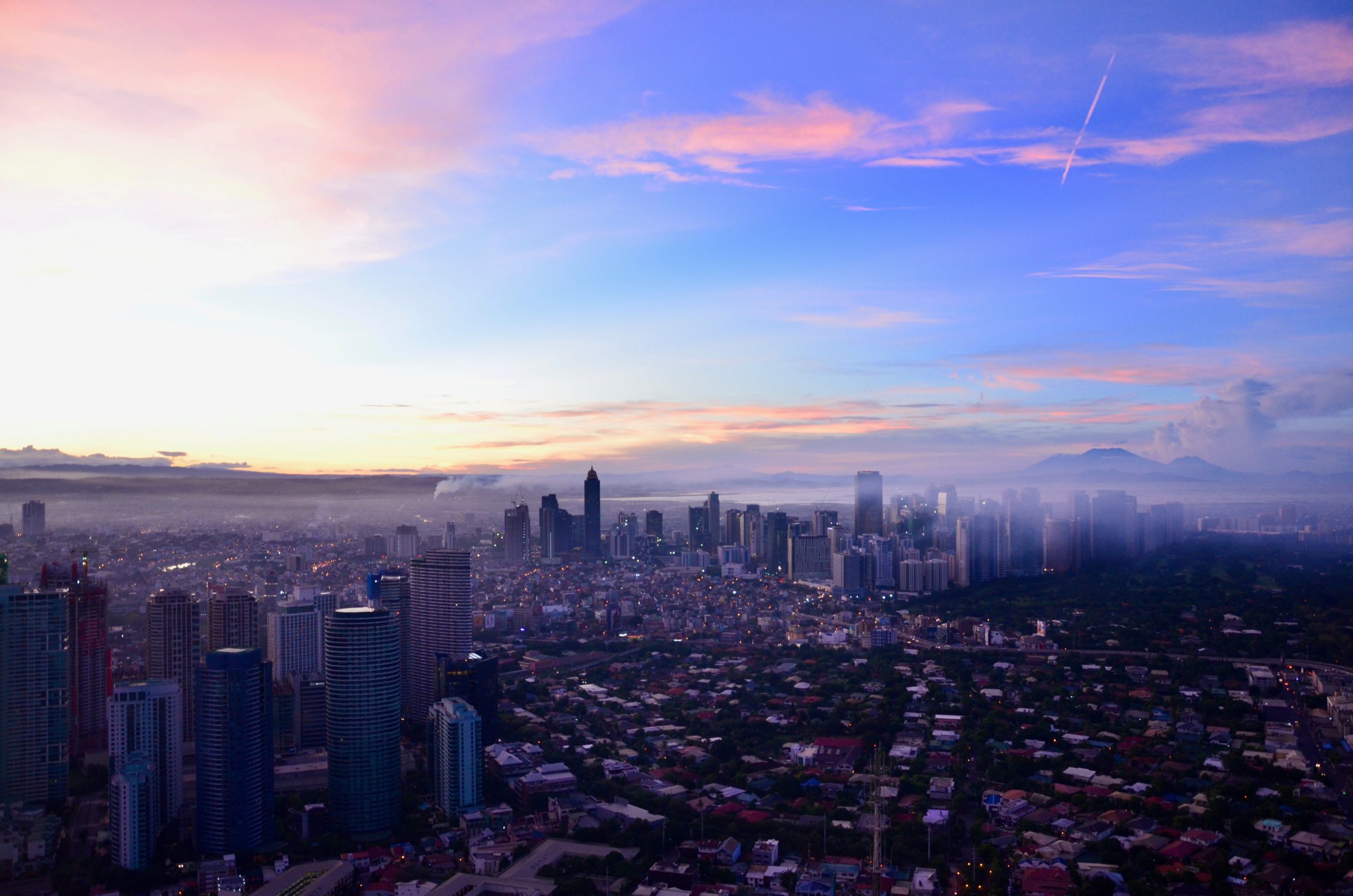
Manila is the capital of the Philippines and the most densely populated city on Earth, packing almost 1.9 million people into an area smaller than many English towns. It was founded by the Spanish, briefly captured by the British and almost destroyed in the Second World War. Here are 15 fun facts about Manila, from its oldest church to the jeepneys that crowd its streets.
Manila at a glance
Country: the Philippines (capital city)
Population: about 1.85 million in the city, and over 13 million in Metro Manila (2020 census)
Area: about 43 square km (17 square miles)
Languages: Filipino and English
Currency: Philippine peso
1It is the most crowded city in the world.
With around 1.85 million people living in just 43 square km, the City of Manila has more than 40,000 people per square km, the highest population density of any major city on Earth. That is roughly seven times as crowded as London.
2Manila is only one of 16 cities in Metro Manila.
The capital is part of a much bigger urban area, Metro Manila, which includes Quezon City, Makati and Taguig. More than 13 million people live in the metro area, making it one of the largest cities in Asia.

3Its name comes from a plant.
Manila takes its name from the Tagalog phrase may-nilad, meaning “where the nilad grows”. Nilad is a flowering mangrove shrub that once grew along the shores of Manila Bay.
4The Spanish founded the city in 1571.
Before the Spanish arrived, Manila was a fortified Muslim trading settlement ruled by Rajah Sulayman. The Spanish conquistador Miguel López de Legazpi captured it and declared it a city in 1571, and it remained the capital of the Spanish East Indies for more than 300 years.
5The old city is surrounded by walls.
Intramuros, meaning “within the walls”, is the historic Spanish quarter of Manila, enclosed by stone walls more than 4 km long. Inside are Fort Santiago, Manila Cathedral and cobbled streets lined with colonial-era houses.

6It has the oldest stone church in the Philippines.
San Agustin Church in Intramuros was completed in 1607 and has survived earthquakes, fires and wars. It is one of four Baroque churches in the Philippines listed together as a UNESCO World Heritage Site.
7Britain ruled Manila for 18 months.
During the Seven Years’ War, a British force captured Manila from Spain in October 1762. Britain handed the city back in 1764 under the Treaty of Paris.
8Its galleons crossed the Pacific for 250 years.
From 1565 to 1815, Spanish ships known as the Manila galleons sailed between Manila and Acapulco in Mexico, carrying Chinese silk and porcelain one way and Mexican silver the other. It was one of the first truly global trade routes.
9It may have the world’s oldest Chinatown.
Binondo, Manila’s Chinatown, was set up by the Spanish in 1594 for Chinese merchants. It is often described as the oldest Chinatown in the world and is famous for its food.
10The Philippines’ national hero was executed there.
The writer José Rizal, whose novels inspired the movement for independence from Spain, was held in Fort Santiago and executed by the Spanish on 30 December 1896. Rizal Park, where he died, is now one of Manila’s biggest open spaces, and 30 December is Rizal Day, a national holiday.
11It was one of the most damaged cities of the Second World War.
During the Battle of Manila in February and March 1945, American and Filipino forces fought Japanese troops street by street. Around 100,000 civilians were killed and much of the old city was destroyed. Only Warsaw is often said to have suffered worse destruction among Allied capitals.
12Jeepneys began as army surplus.
After the war, Filipinos turned leftover US military jeeps into cheap, brightly painted minibuses called jeepneys. They became a symbol of Manila, although the government is now replacing the oldest ones with modern vehicles to cut pollution.


13Manila Bay is famous for its sunsets.
The long seafront promenade along Roxas Boulevard is one of the best places in the city to watch the sun go down over Manila Bay, which is one of the finest natural harbours in Asia.
14It is hot all year round.
Manila has a tropical climate, with temperatures around 25 to 33°C (77 to 91°F) for most of the year. The dry season runs from about December to May, and the wet season, when typhoons can strike, from June to November.
15It has two official languages.
Filipino, based on Tagalog, and English are both official languages, and most people in Manila speak both. Many Spanish words are also used in everyday Filipino, a legacy of three centuries of Spanish rule.
FAQs about Manila
Is Manila the capital of the Philippines?
Yes. Manila has been the capital since Spanish times, apart from a period from 1948 to 1976 when nearby Quezon City was the official capital.
What is Manila known for?
Its walled old town of Intramuros, the sunsets over Manila Bay, jeepneys, street food, its Spanish and American history, and being the most densely populated city in the world.
How many people live in Manila?
About 1.85 million in the City of Manila and more than 13 million across Metro Manila, according to the 2020 census.
Is Manila the same as Metro Manila?
No. The City of Manila is one of 16 cities, plus one municipality, that together make up Metro Manila, also called the National Capital Region.
Sources and further reading
Do you know any fun facts about Manila? Share them in the comments below!
Spotted something wrong? Suggest a correction
We check every suggestion and update articles when facts change. Thank you for helping keep facts.uk accurate.
Leave a Reply