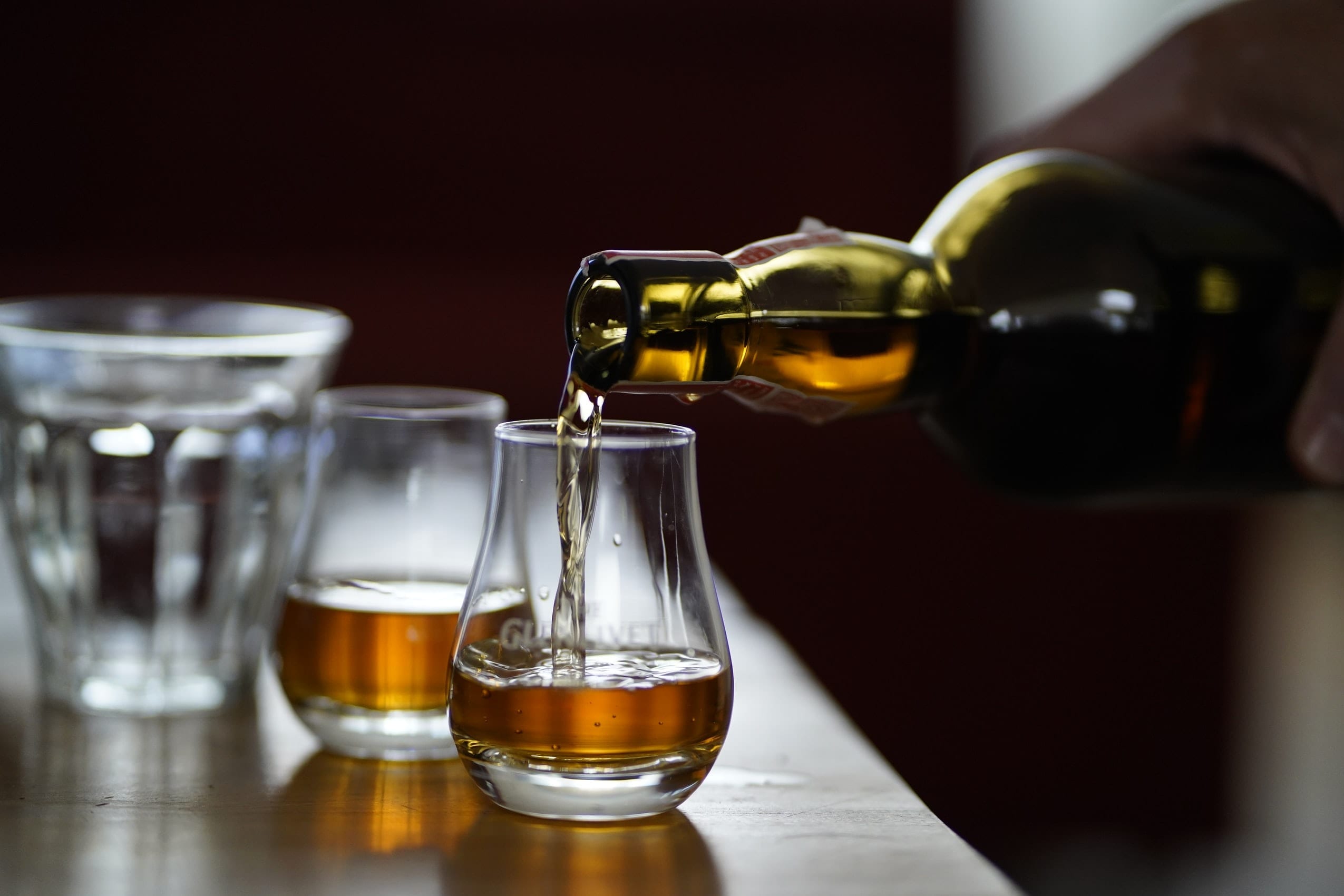
Whisky gets its name from the Gaelic for “water of life”, loses a little to the “angels” every year it spends in the cask, and stops ageing the moment it is bottled. Here are 15 facts about whisky, from why Scotch has no “e” to the bottle that sold for more than £2 million.
Whisky at a glance
Made from: fermented grain, such as malted barley, corn, rye or wheat
Aged in: wooden casks, usually oak
Typical strength: 40% alcohol by volume or more
Main producers: Scotland, the United States, Ireland, Canada and Japan
Spelling: whisky in Scotland, Canada and Japan; whiskey in Ireland and most of the US
1Its name means “water of life”.
The word comes from the Gaelic uisge beatha (in Scotland) or uisce beatha (in Ireland), meaning “water of life”. Over time English speakers shortened it to “usky” and then “whisky”.
2The “e” depends on where it’s made.
Scotch, Canadian and Japanese whisky are spelled without an “e”. Irish whiskey and most American whiskey have one. A handy way to remember it: countries with an “e” in their name (Ireland, United States) tend to use whiskey.
3Scotch has to follow strict rules.
By law, Scotch whisky must be made in Scotland, matured in oak casks in Scotland for at least three years, and bottled at no less than 40% alcohol by volume. Nothing can be added except water and plain caramel colouring.
4Most Scotch is blended, not single malt.
A single malt is made from malted barley at a single distillery. A blend mixes malt whiskies with lighter grain whisky, and blends such as Johnnie Walker and The Famous Grouse make up the large majority of Scotch sold around the world.
5Scotland has around 150 distilleries.
They are grouped into five official whisky regions: the Highlands, Lowlands, Speyside, Islay and Campbeltown. Speyside has the most distilleries, while whiskies from the island of Islay are famous for their smoky taste, which comes from drying the barley over peat fires.
6More than 20 million casks are maturing in Scotland.
According to the Scotch Whisky Association, Scotland holds more than 20 million casks of maturing whisky, roughly four for every person in the country.
7The angels take their share.
While whisky matures, about 2% of it evaporates through the wood each year. Distillers call this the “angels’ share”. Over a few decades it can add up to a large part of the cask.
8Whisky stops ageing in the bottle.
Unlike wine, whisky doesn’t change once it is bottled. A 12-year-old whisky kept on a shelf for 20 years is still a 12-year-old whisky, because the age on the label only counts the years spent in the cask, and it must be the age of the youngest whisky in the bottle.
9Bourbon doesn’t have to come from Kentucky.
American law says bourbon must be made in the United States from at least 51% corn and aged in new, charred oak containers. It can be made in any state, although about 95% of it comes from Kentucky.
10Jack Daniel’s isn’t a bourbon.
Jack Daniel’s is a Tennessee whiskey. It meets the rules for bourbon, but it is filtered through sugar maple charcoal before ageing, known as the Lincoln County Process, and its makers prefer to call it Tennessee whiskey.
11Japanese whisky began with a trip to Scotland.
Masataka Taketsuru studied whisky-making in Scotland around 1918 to 1920 and brought his knowledge home. He helped set up Japan’s first commercial whisky distillery, Yamazaki, which opened in 1923, and later founded Nikka. Japanese whiskies now regularly win world awards.

12India is the biggest market for Scotch.
In 2022, India overtook France as the largest market for Scotch whisky by number of bottles. France, which is famous for wine and cognac, had held the top spot for years. Scotch exports are now worth more than £5 billion a year to the UK.
13The world’s oldest whisky is more than 150 years old.
A bottle of Glenavon Special Liqueur Whisky, thought to have been bottled between 1851 and 1858, is recognised by Guinness World Records as the oldest whisky in the world. It sold at auction in 2016 for £14,000.
14One bottle sold for more than £2 million.
In November 2023, a bottle of The Macallan 1926 with a label by the Italian artist Valerio Adami sold at Sotheby’s in London for £2.1 million, making it the most expensive bottle of whisky, and of any wine or spirit, ever sold at auction.
15A shipwreck inspired a famous film.
In 1941 the SS Politician ran aground off the Hebridean island of Eriskay carrying around 250,000 bottles of whisky. Islanders helped themselves to thousands of bottles before customs officers arrived, and the story inspired Compton Mackenzie’s novel Whisky Galore and the 1949 Ealing comedy based on it.
FAQs about whisky
What is the difference between whisky and whiskey?
Only the spelling and where it is made. Scotland, Canada and Japan use “whisky”; Ireland and most American producers use “whiskey”.
What is the difference between Scotch and bourbon?
Scotch is made in Scotland, mainly from malted barley, and is often aged in used casks. Bourbon is made in the US from at least 51% corn and must be aged in new, charred oak, which gives it a sweeter, vanilla taste.
Does whisky go off?
An unopened bottle keeps almost indefinitely. Once opened, it slowly loses flavour as air gets in, so it is best drunk within a year or two, especially when the bottle is less than half full.
How strong is whisky?
Most whisky is bottled at 40% to 46% alcohol by volume. “Cask strength” whiskies, bottled straight from the cask, can be 60% or more.
Sources and further reading
Explore more: more facts about Scotland.
Please drink responsibly. Do you know any fun facts about whisky? Share them in the comments below!
Spotted something wrong? Suggest a correction
We check every suggestion and update articles when facts change. Thank you for helping keep facts.uk accurate.
Leave a Reply