


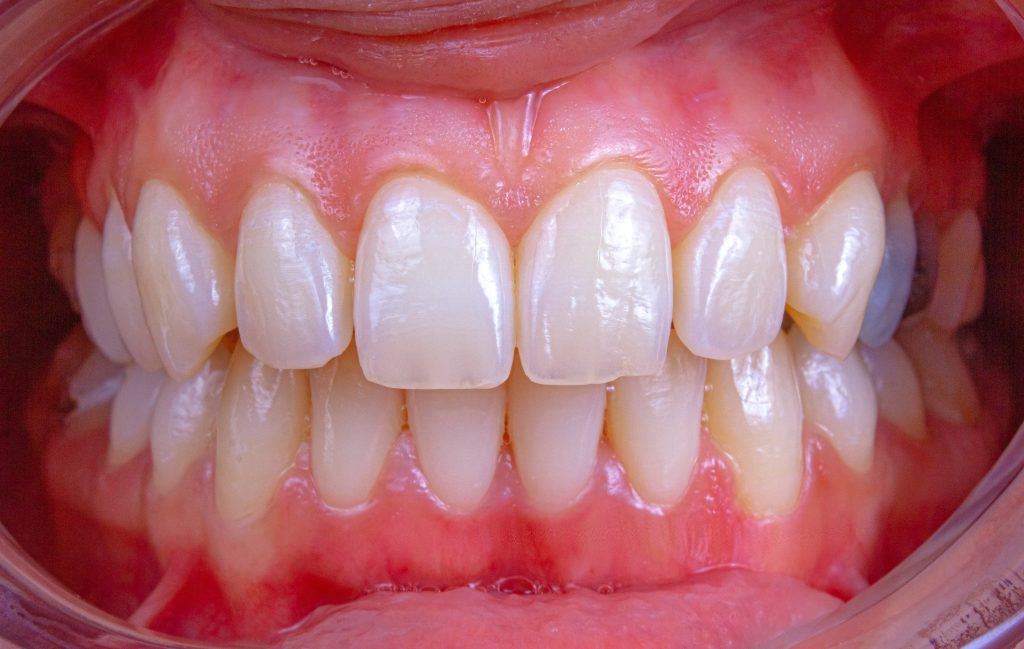
When people think about oral health, they often focus on their teeth. However, your gums play an equally important role and can reveal far more about your overall wellbeing than you might expect. Healthy gums are not just about a bright smile; they are closely linked to the health of your entire body.
Gum Health Reflects Inflammation Levels
One of the most important facts about your gums is that they can act as an early warning system for inflammation in the body. Gum disease, also known as periodontal disease, is caused by a build-up of plaque and bacteria that leads to inflammation. If your gums are red, swollen, or bleed easily, it may signal that your body is dealing with chronic inflammation.
Chronic inflammation has been linked to a range of serious health conditions, including heart disease, diabetes, and even certain cancers. This means that paying attention to your gums is not just about oral hygiene but also about spotting potential health risks early.
The Link Between Gum Disease and Heart Health
There is growing evidence that gum disease is connected to cardiovascular health. Bacteria from infected gums can enter the bloodstream and travel to other parts of the body, including the heart. This can contribute to the narrowing of arteries and increase the risk of heart attacks and strokes.
While brushing and flossing may seem like small daily habits, they can play a meaningful role in protecting your heart. Regular dental check-ups are also essential, as professionals can identify early signs of gum disease before it progresses.
Gums and Diabetes Have a Two-Way Relationship
Another key fact is the strong relationship between gum health and diabetes. People with diabetes are more likely to develop gum disease due to higher blood sugar levels, which can encourage bacterial growth. At the same time, severe gum disease can make it harder to control blood sugar levels.
This two-way relationship means that maintaining healthy gums is especially important for those managing diabetes. It also highlights why dentists often look for signs of systemic conditions during routine examinations.
Hormonal Changes Can Affect Your Gums
Hormonal changes can have a noticeable impact on gum health. This is particularly common during pregnancy, puberty, and menopause. Increased hormone levels can make gums more sensitive and more prone to inflammation and bleeding.
If you notice changes in your gums during these times, it is important not to ignore them. Seeking advice from a dental professional, such as the Direct Dental best dentist in Clapham, can help you manage symptoms and maintain good oral health throughout these stages.
Gum Health Can Indicate Nutritional Deficiencies
Your gums can also reveal information about your diet. For example, bleeding or swollen gums may be linked to a lack of essential nutrients such as vitamin C. A balanced diet that includes plenty of fruits, vegetables, and whole foods supports both your gums and your overall health.
Paying Attention to the Signs
Healthy gums should be firm, pink, and free from pain or bleeding. If you notice persistent bad breath, gum recession, or discomfort, it is important to take action. These symptoms may seem minor at first, but they can develop into more serious issues if left untreated.
In many ways, your gums are a window into your general health. By looking after them through good oral hygiene, a healthy lifestyle, and regular dental visits, you are also taking an important step towards protecting your whole body.