


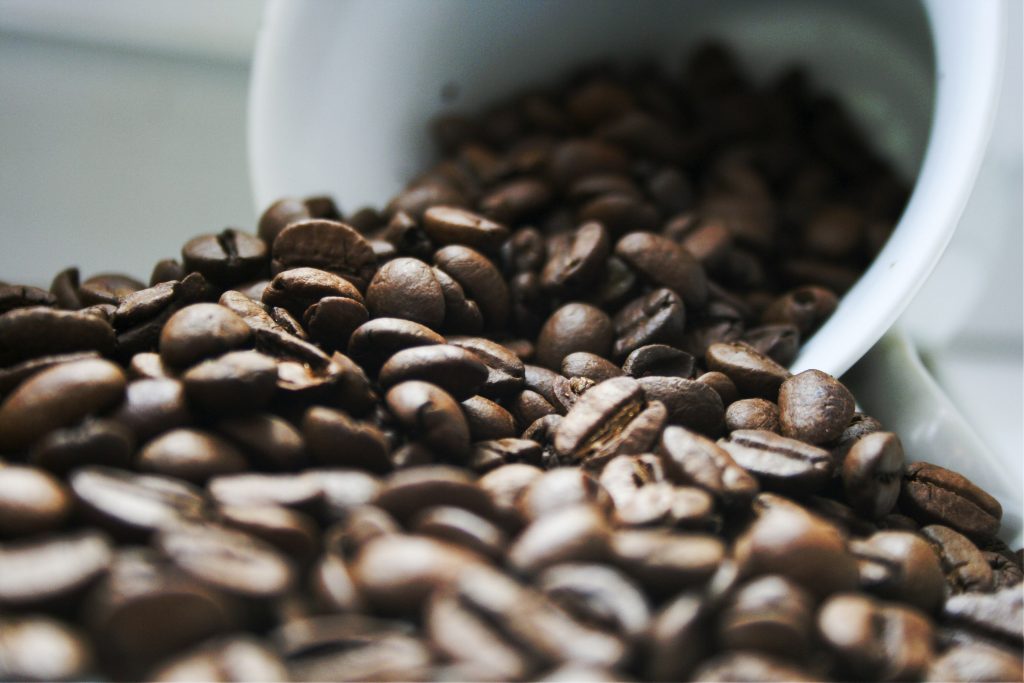
Coffee is one of the most consumed beverages on the planet, yet most people who drink it daily know surprisingly little about it beyond their usual order. Behind every cup sits a genuinely interesting story, from the chemistry of the caffeine hit to the economics of the global supply chain. Here are eleven facts worth knowing.
1. Coffee Is a Fruit
Technically, coffee starts life as a cherry. The beans that get roasted and ground are the seeds of a small, red fruit that grows on flowering shrubs native to Ethiopia. Next time someone tells you they’re trying to eat more fruit, technically, a double espresso counts.
2. It Was Once Banned
Coffee has been considered dangerous or subversive at various points in history. In sixteenth-century Mecca, coffeehouses were shut down by authorities who worried they were becoming centres of political dissent. King Charles II of England attempted the same in 1675, issuing a proclamation against coffee houses on the grounds that they promoted idle talk and seditious conversation. Neither ban lasted long.
3. Finland Drinks More Coffee Per Capita Than Anyone Else
The UK has a strong coffee culture, but it’s modest by Nordic standards. Finland consistently tops global consumption charts, with the average Finn drinking around four cups a day. Norway, Iceland, and Denmark follow closely. The cold climate likely helps.


4. Caffeine Has a Half-Life of About Five Hours
When you drink a coffee at 3 pm, roughly half the caffeine is still in your system at 8 pm. That’s not nothing, and it goes some way toward explaining why afternoon coffee is a more disruptive sleep habit than people tend to acknowledge.
5. Espresso Has Less Caffeine Than Filter Coffee
Gram for gram, espresso contains more caffeine than filter coffee. But a single shot is a much smaller volume, so the total caffeine per serving is actually lower. A standard shot of espresso contains around 63mg of caffeine. A large filter coffee can contain four times that.
6. The Word ‘Espresso’ Doesn’t Mean ‘Fast’
The popular assumption is that espresso refers to speed, as in expressed quickly. The more likely origin is that it means “expressed” or “pressed out,” referring to the method of forcing hot water through compacted grounds under pressure. The speed association came later.

7. Coffee Was Discovered, According to Legend, by a Goat Herder
The most widely repeated origin story involves an Ethiopian goat herder named Kaldi who noticed his goats were unusually energetic after eating berries from a particular tree and stayed awake through the night. He brought the berries to a local monastery, the monks made a drink from them, and the rest, more or less, is history. The story is probably embellished, but the Ethiopian origin of coffee cultivation is well-documented.
8. It’s the Second Most Traded Commodity in the World
Coffee is frequently cited as the second-most-traded commodity globally after oil, though some economists dispute the exact ranking. What’s not in doubt is the scale: hundreds of millions of people rely on coffee production for their livelihoods, and the global market is worth well over two hundred billion pounds annually.
9. Dark Roast Has Less Caffeine Than Light Roast
Roasting burns off caffeine. The longer the roast, the more caffeine is lost in the process. Light roasts, which taste more acidic and retain more of the bean’s original flavour profile, are actually the stronger option if caffeine content is your primary concern.

10. The UK’s Coffee Culture Has Grown Dramatically in Two Decades
Britain was a tea nation until relatively recently. Speciality coffee culture took hold in the early 2000s and has expanded significantly since. Today, there are tens of thousands of coffee outlets across the country, and coffee consumption in workplaces has become a genuine operational consideration for businesses of any size. For many offices, the quality of the coffee on offer has become part of the employee experience conversation, which is part of why coffee machine lease agreements have become a practical alternative to outright purchase for businesses that want quality equipment without the upfront capital commitment.
11. Decaf Still Contains Caffeine
Decaffeination removes most of the caffeine, but not all of it. A typical decaf espresso contains between 3 and 15mg of caffeine, compared to 63mg in a standard shot. For most people, this is inconsequential, but for those with a genuine sensitivity to caffeine, it’s worth knowing that decaf is not caffeine-free.
The cup in your hand has more history, chemistry, and geography behind it than most people give it credit for.